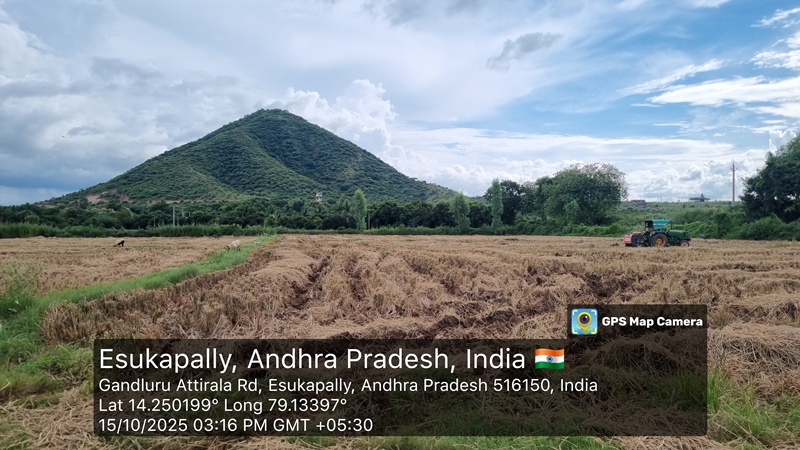
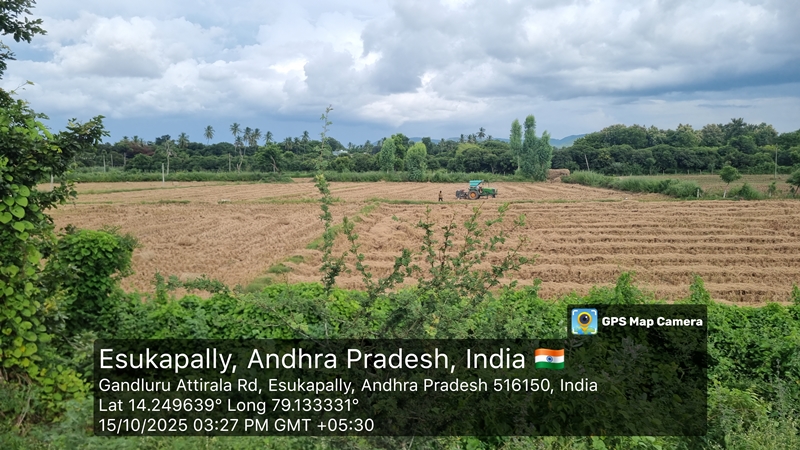
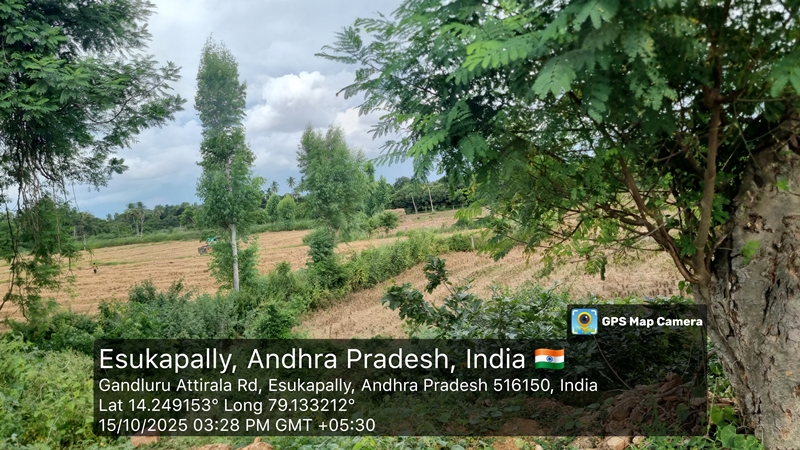
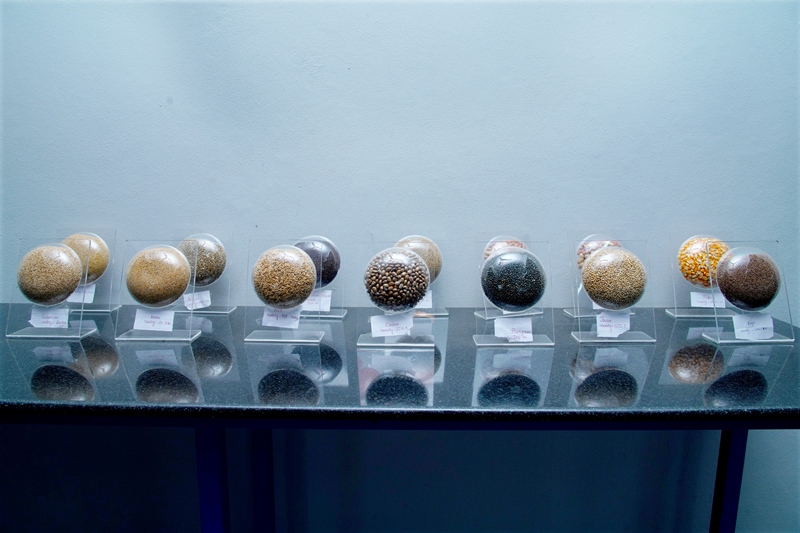
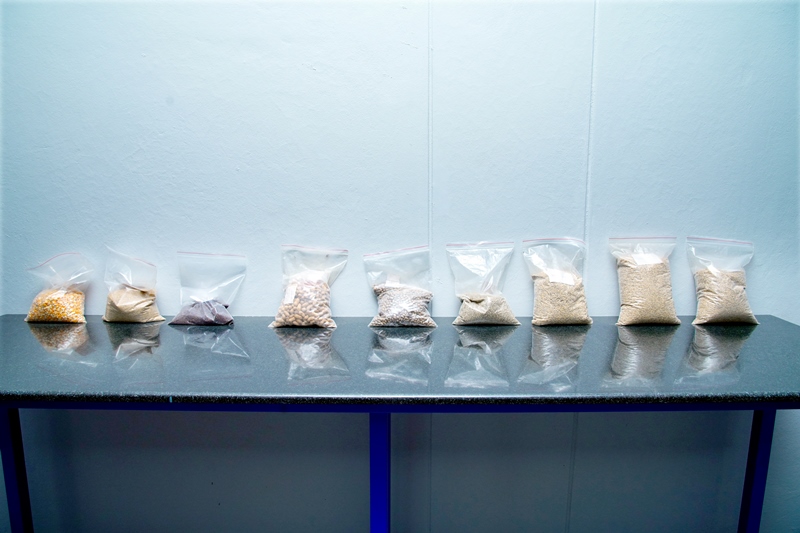
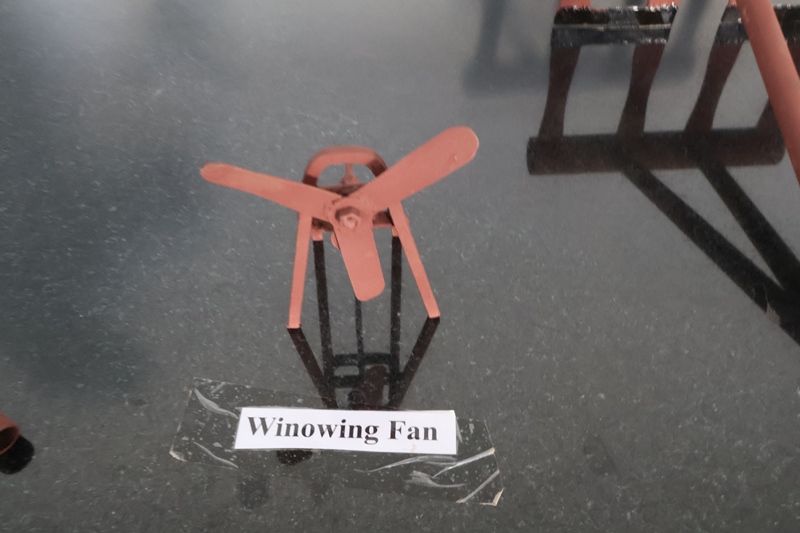
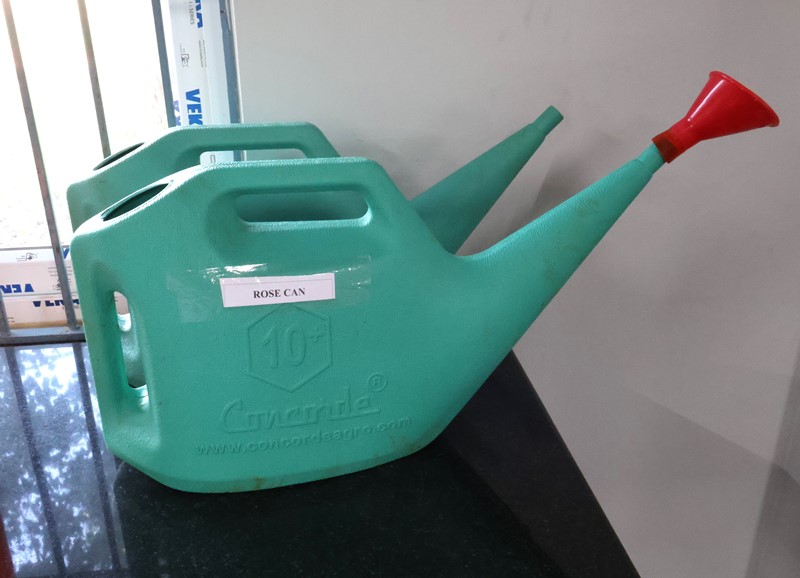
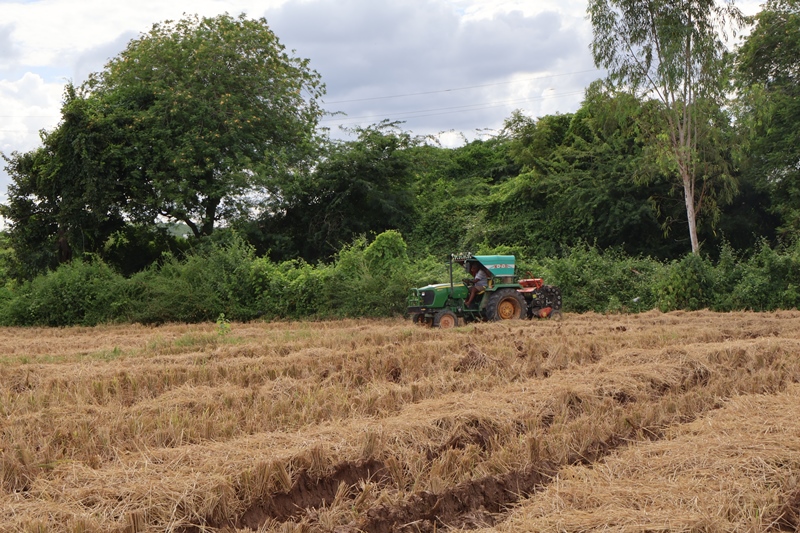
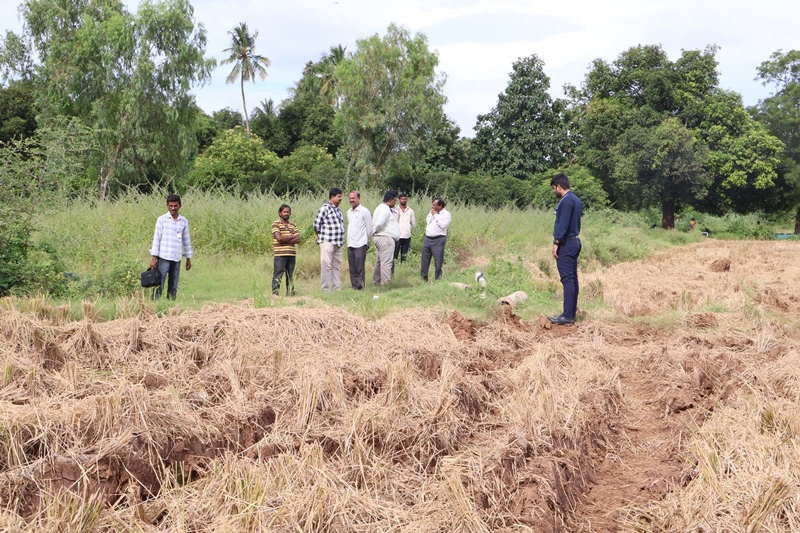
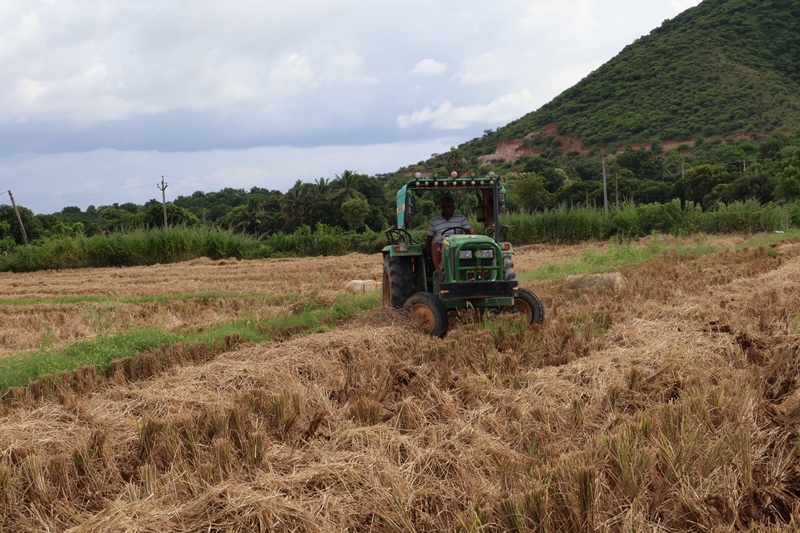
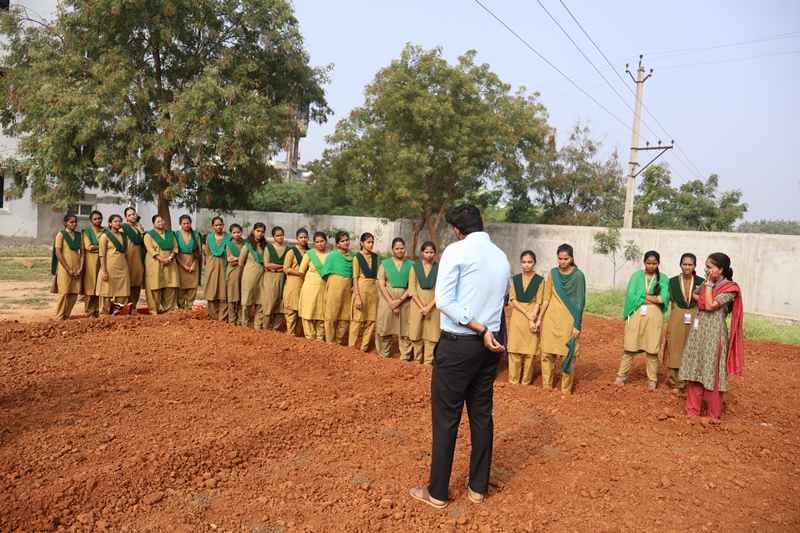
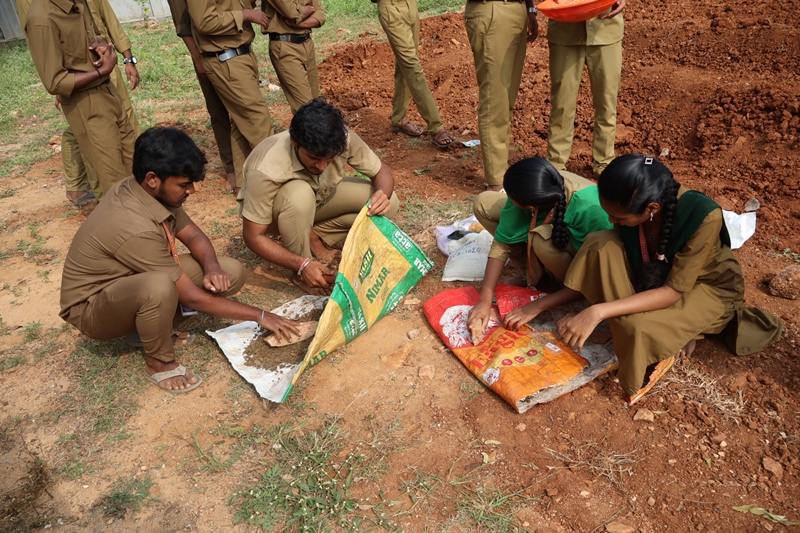
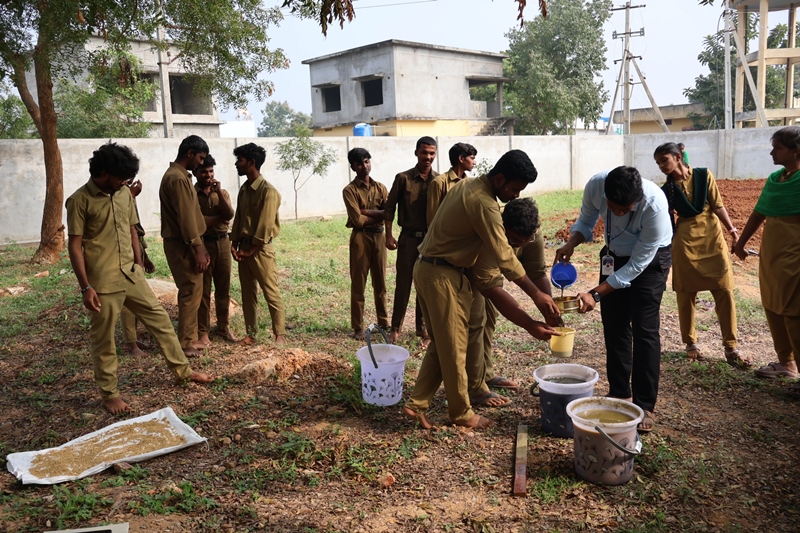
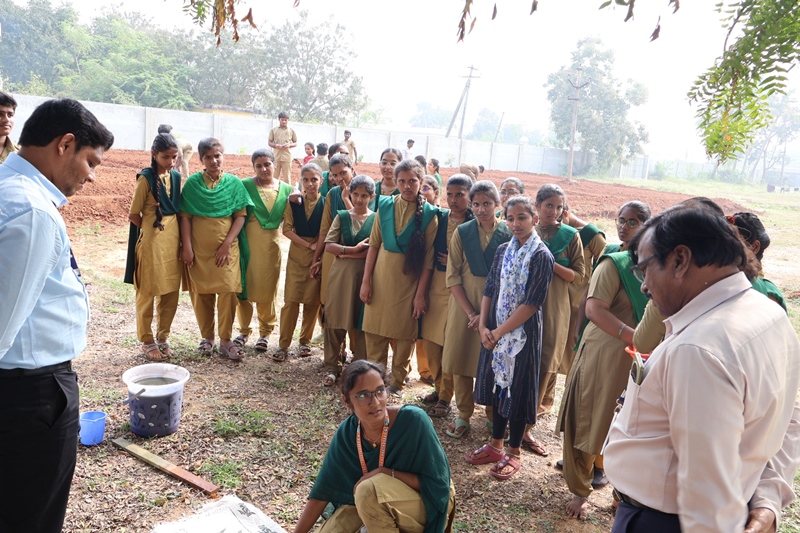
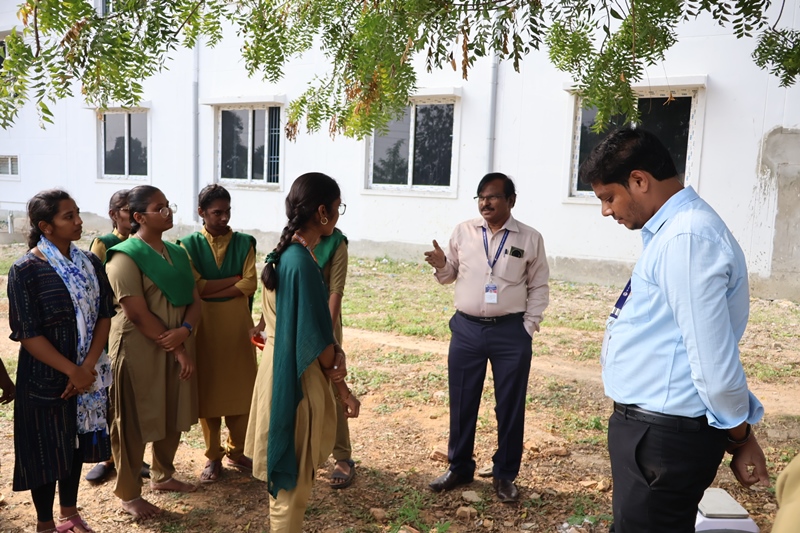
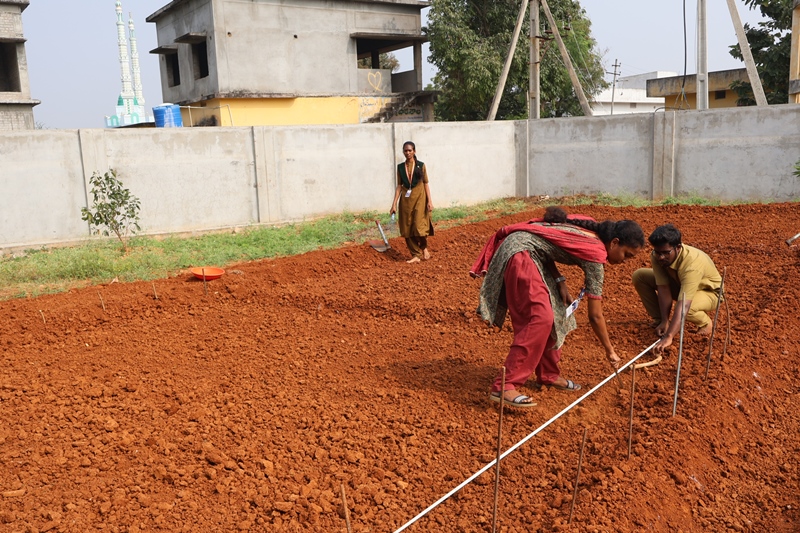
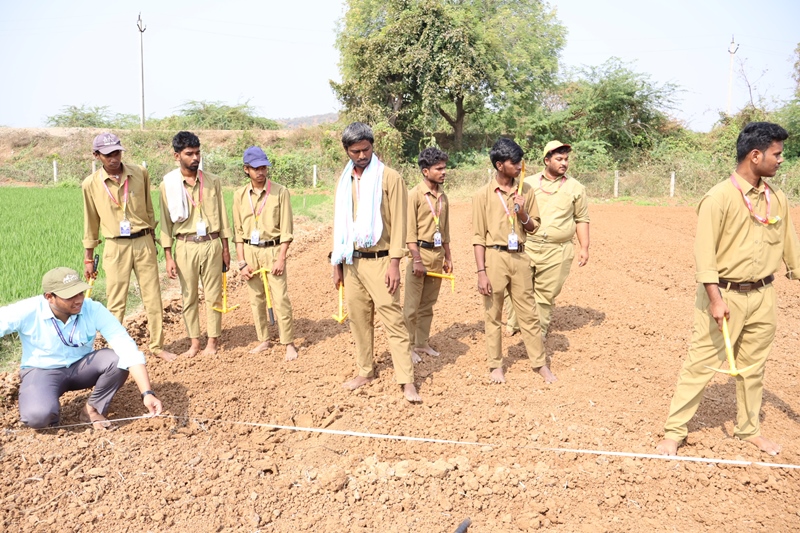
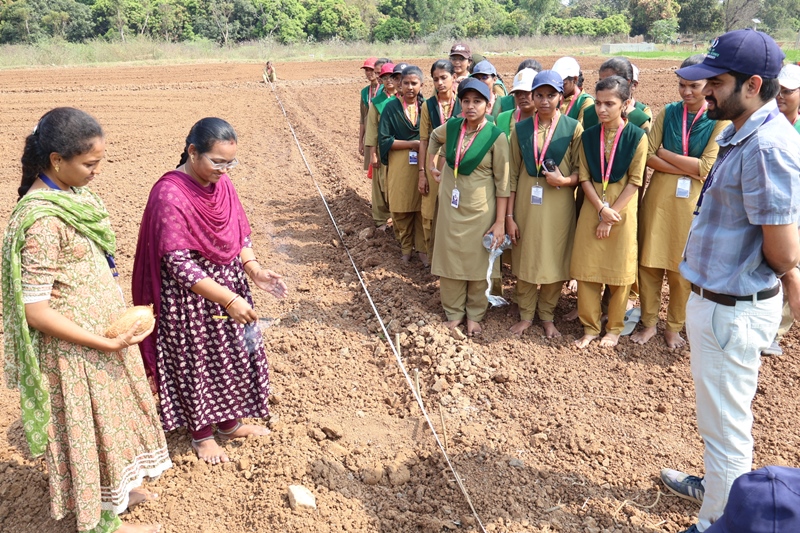
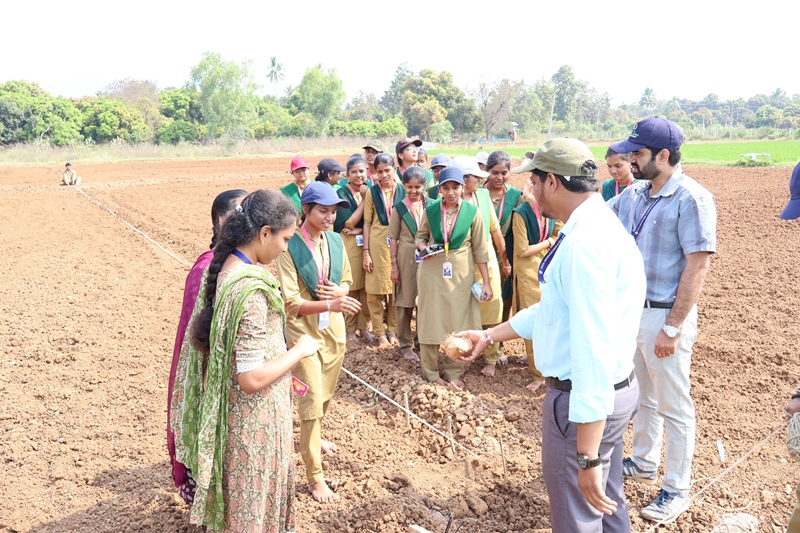
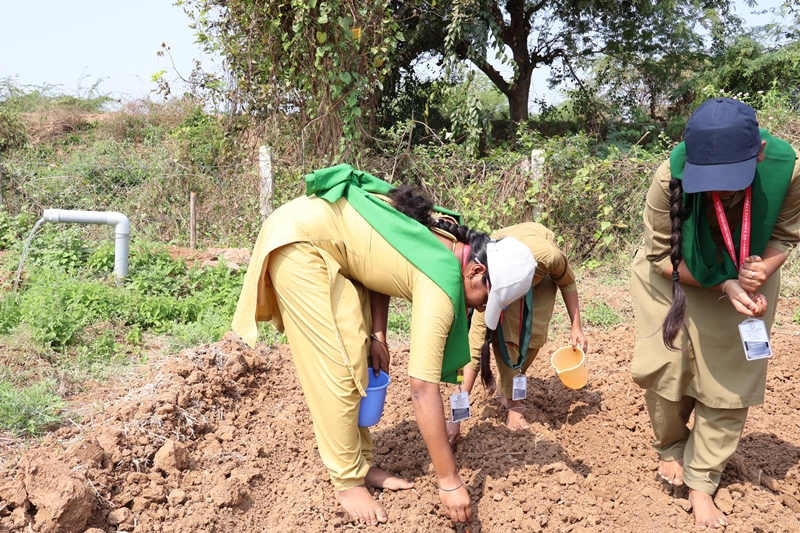
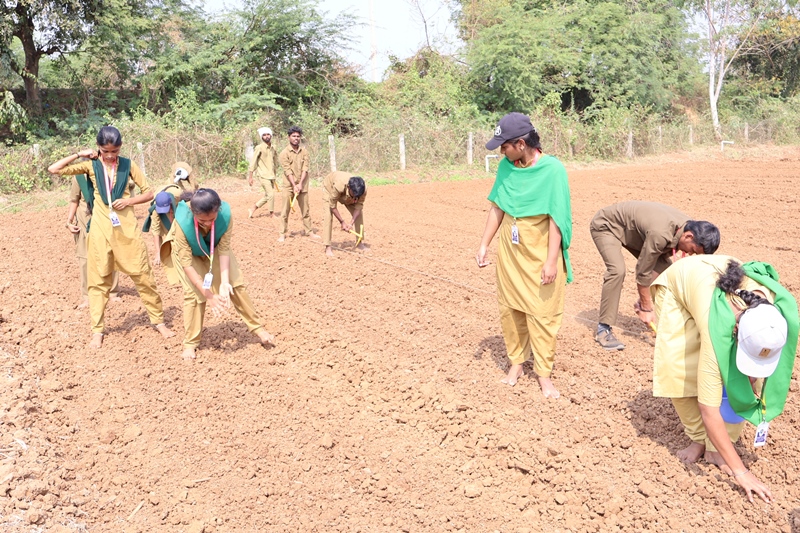
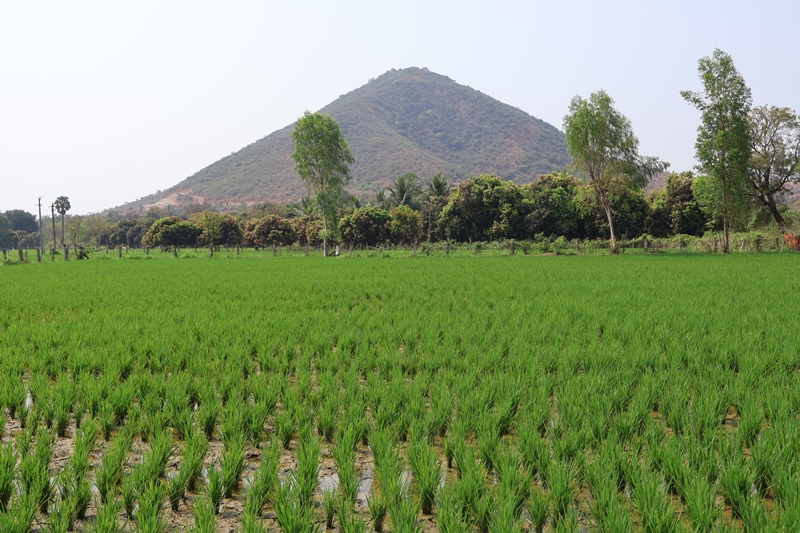
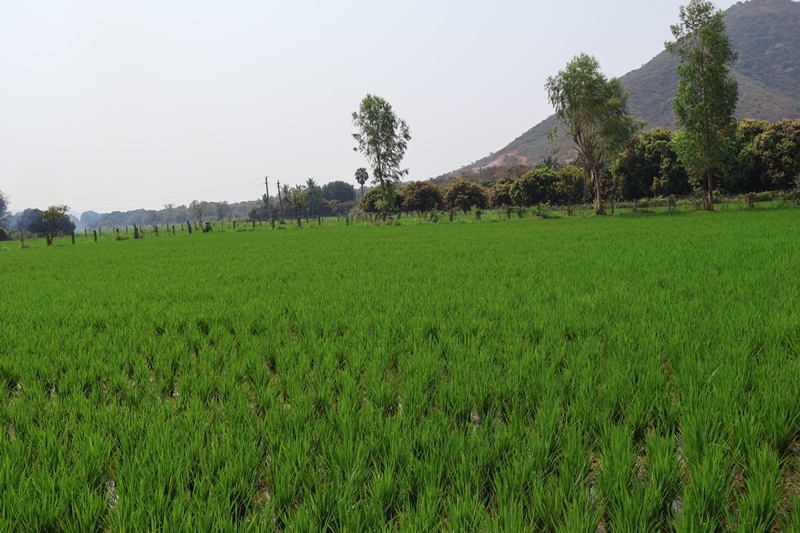
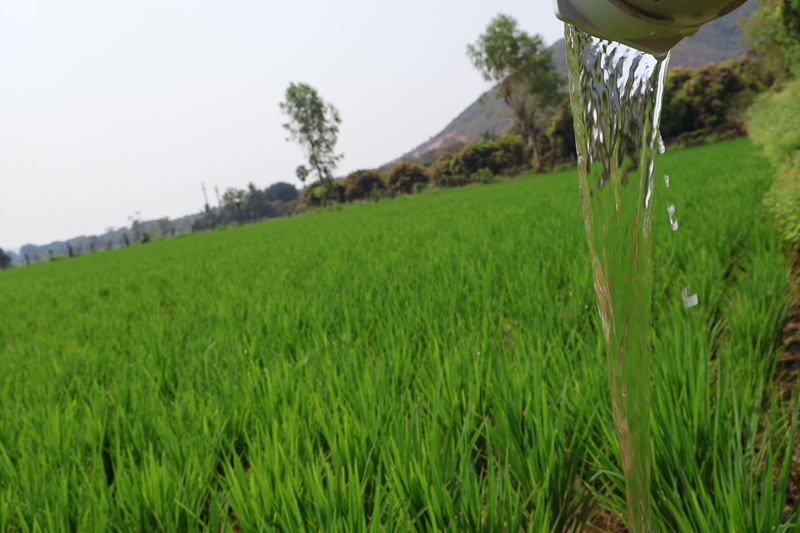
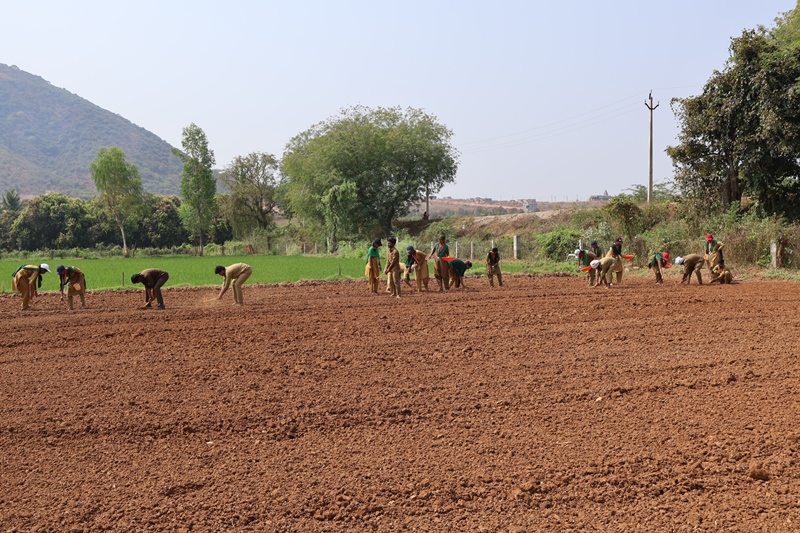
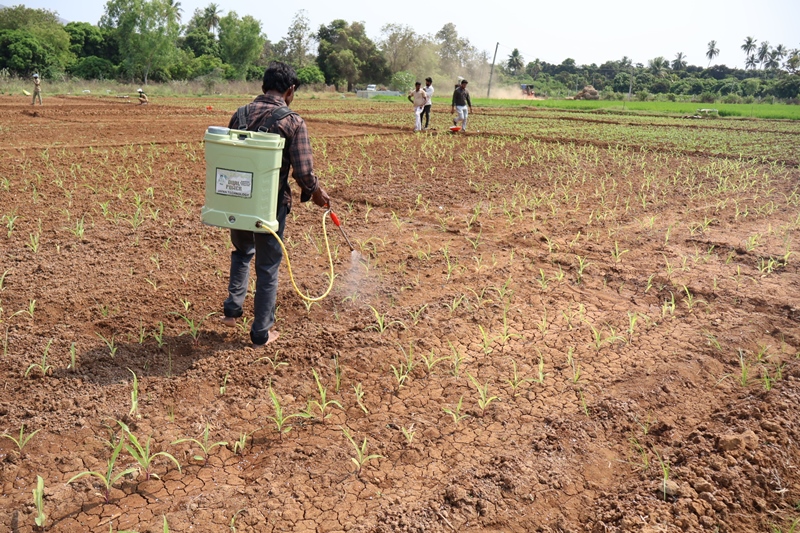
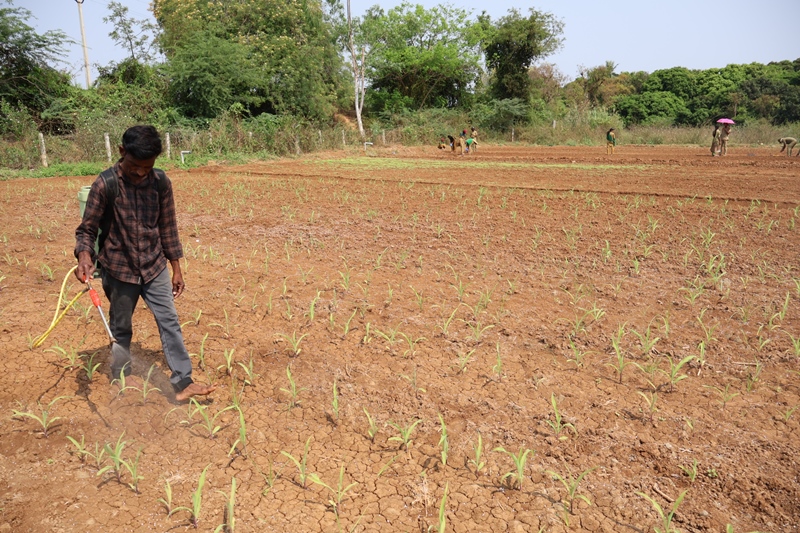
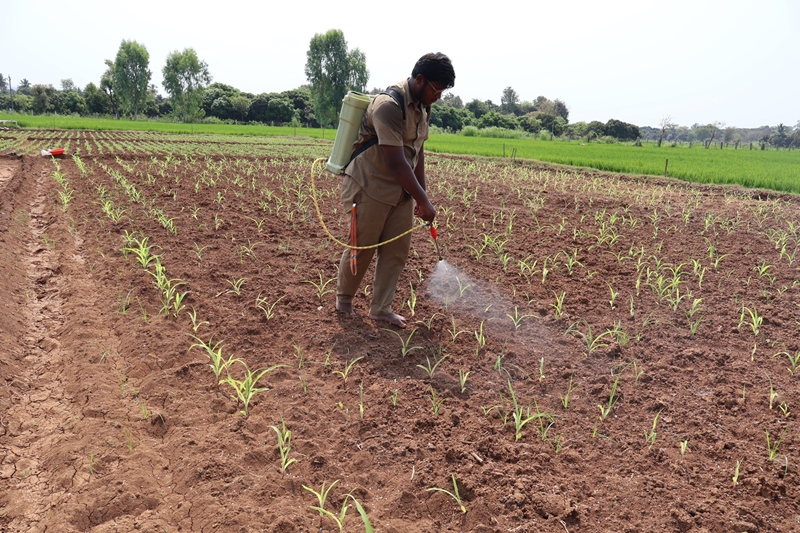
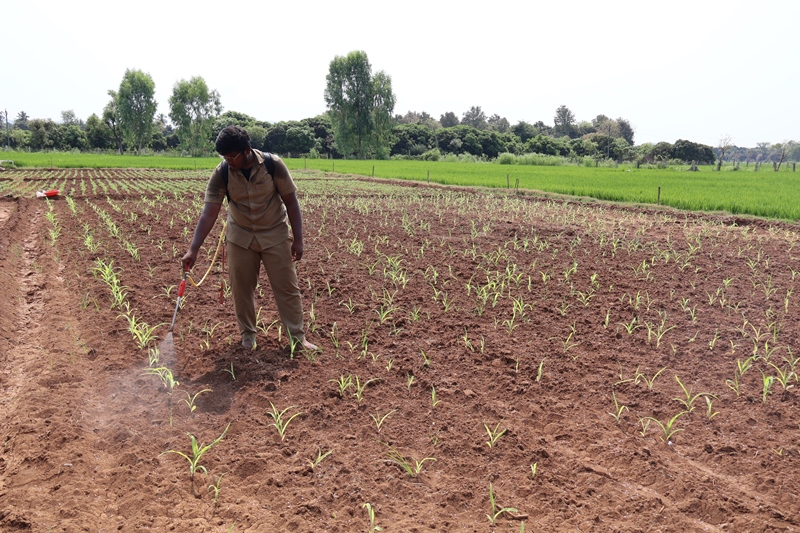
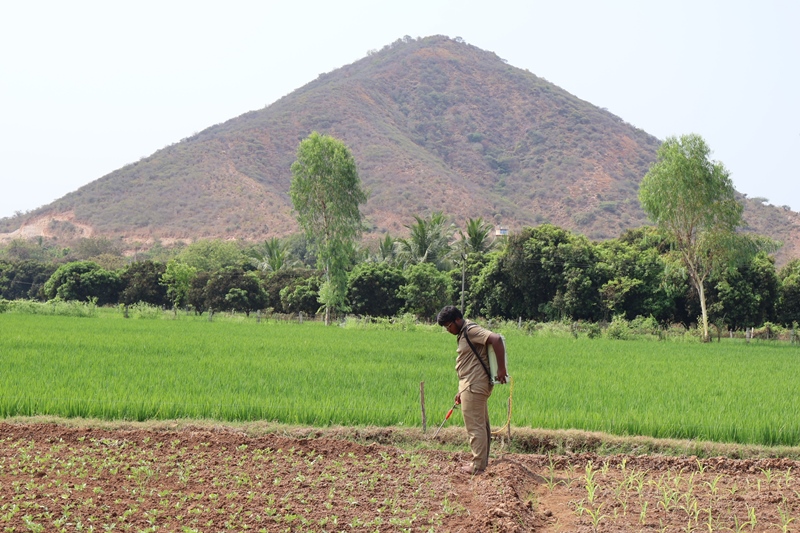
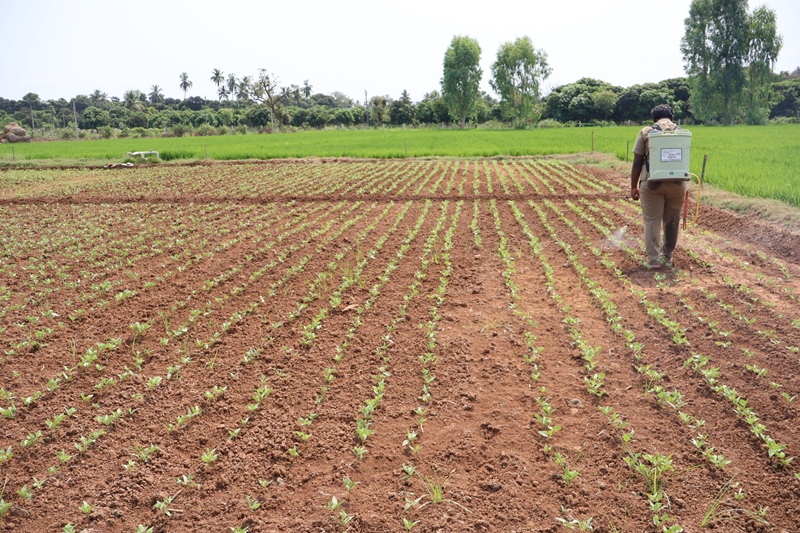
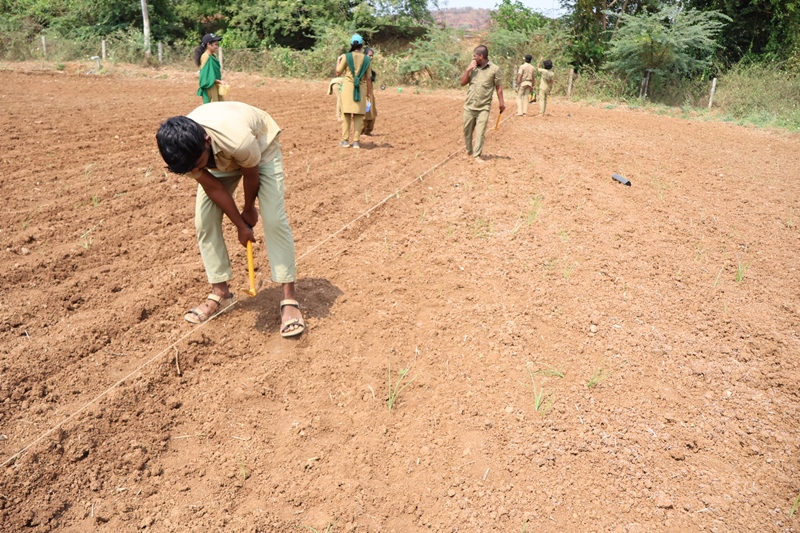
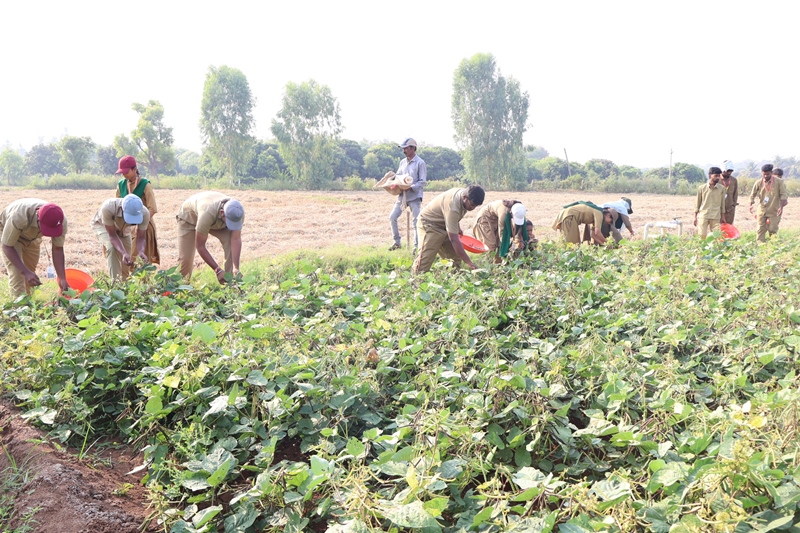
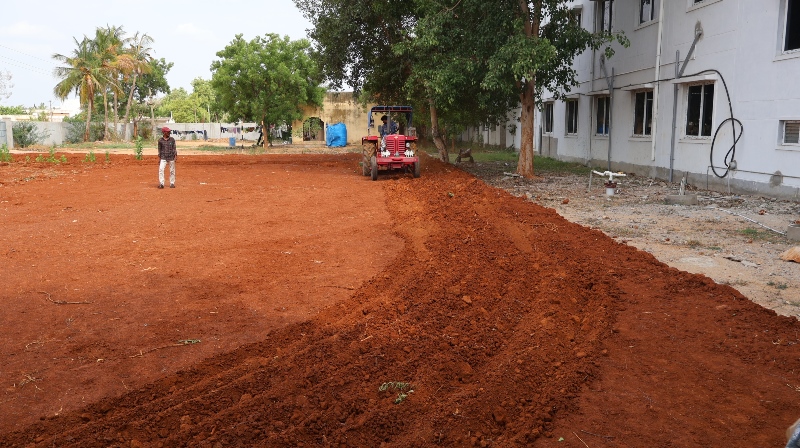
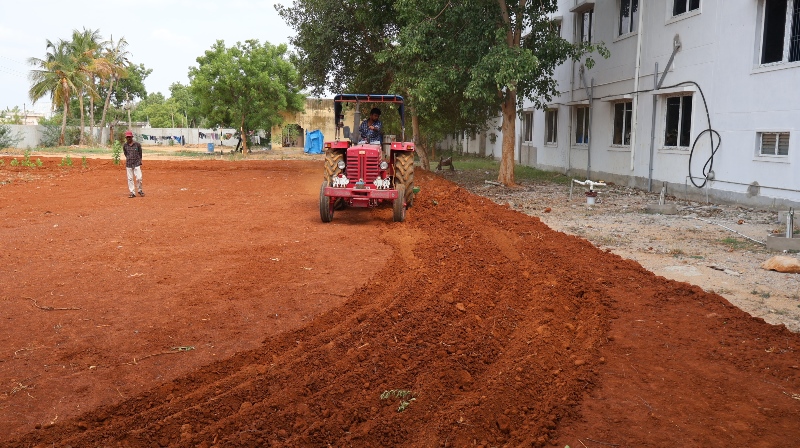
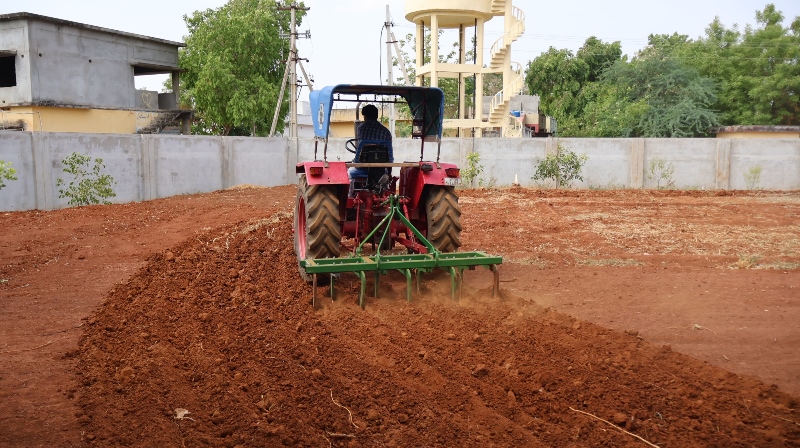
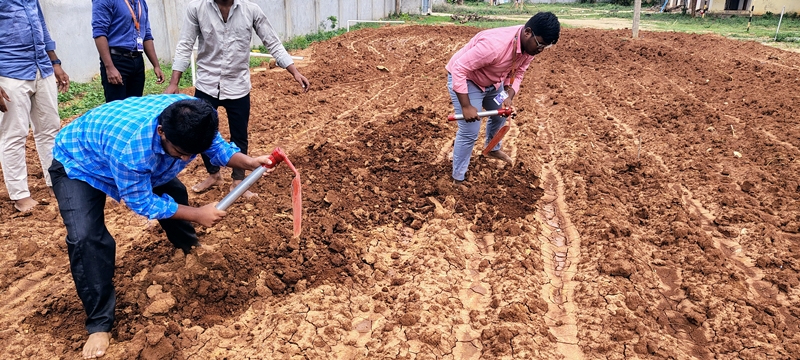
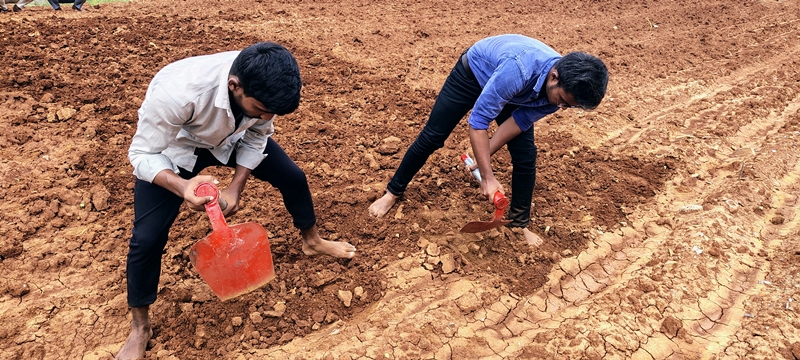
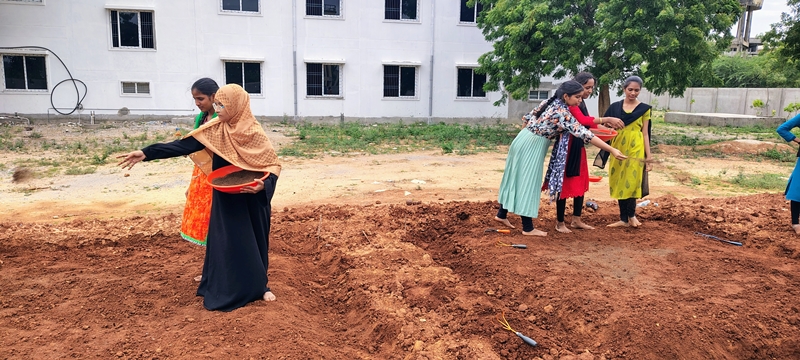
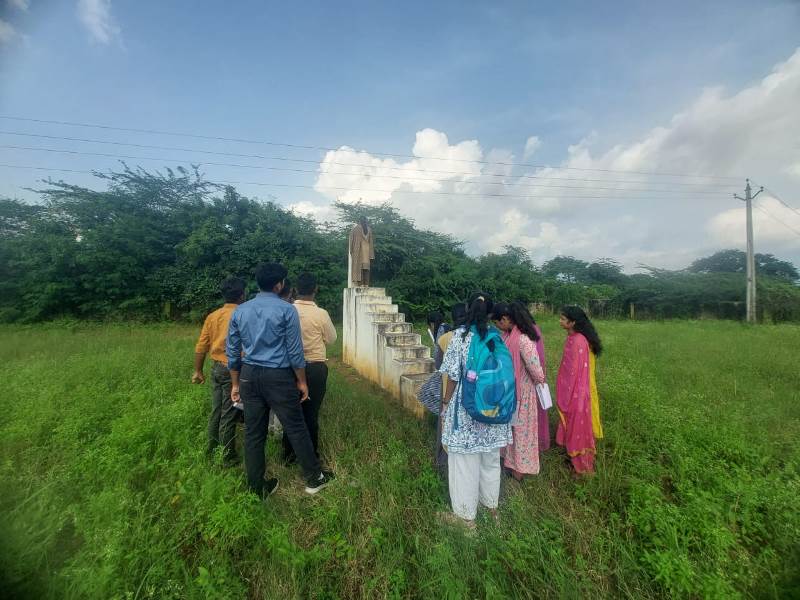
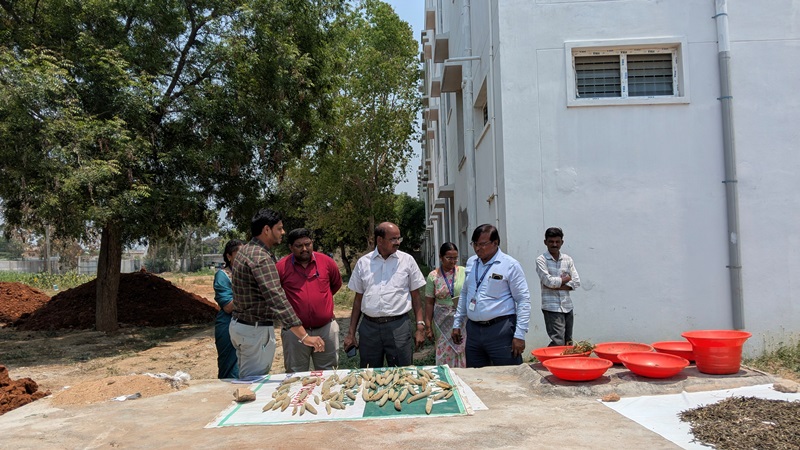
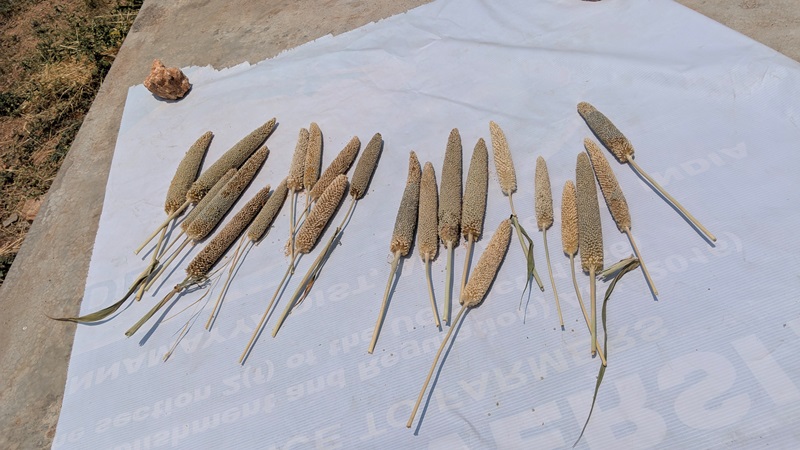
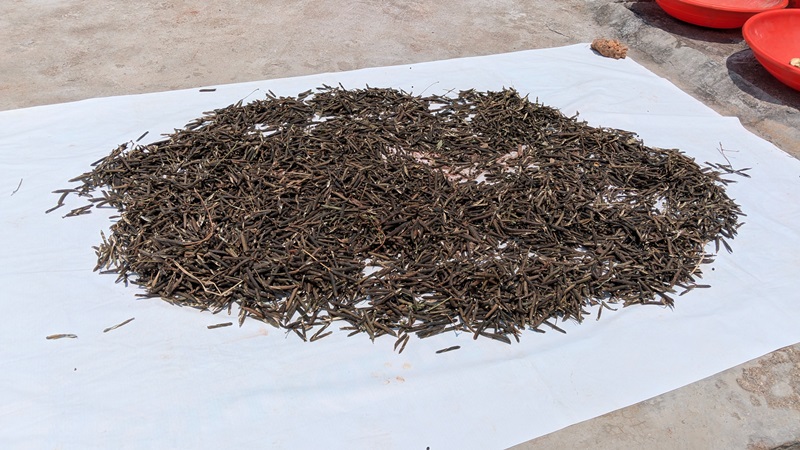
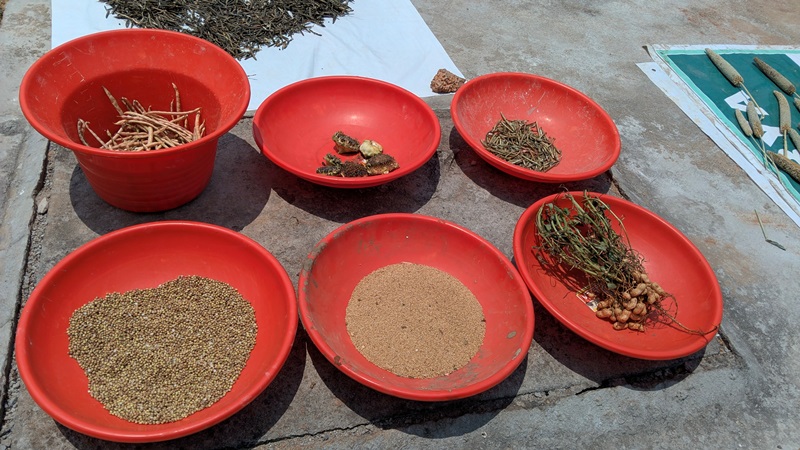
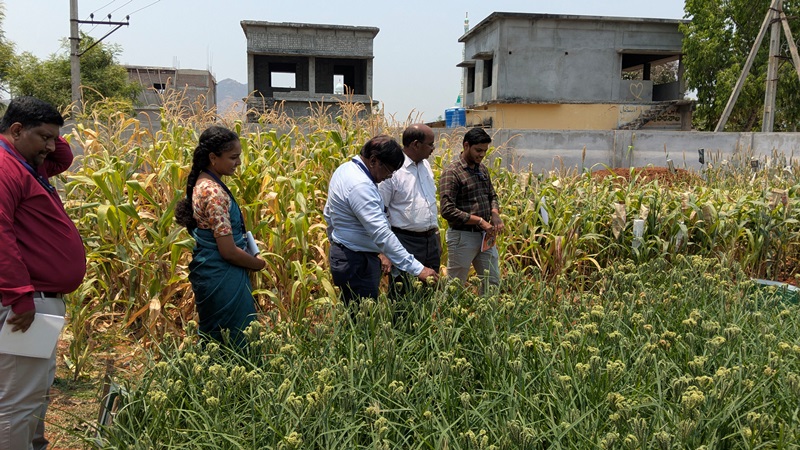
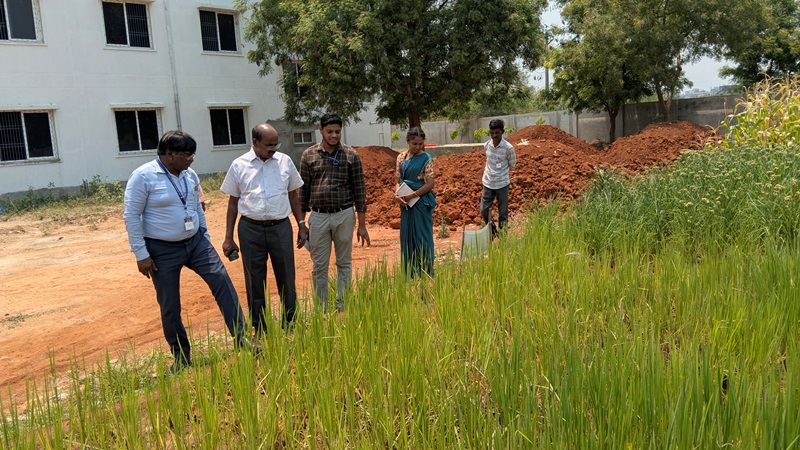
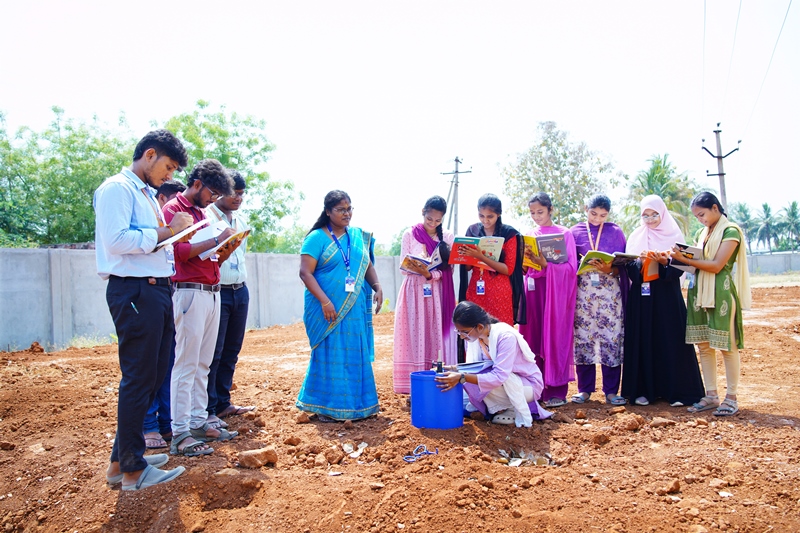
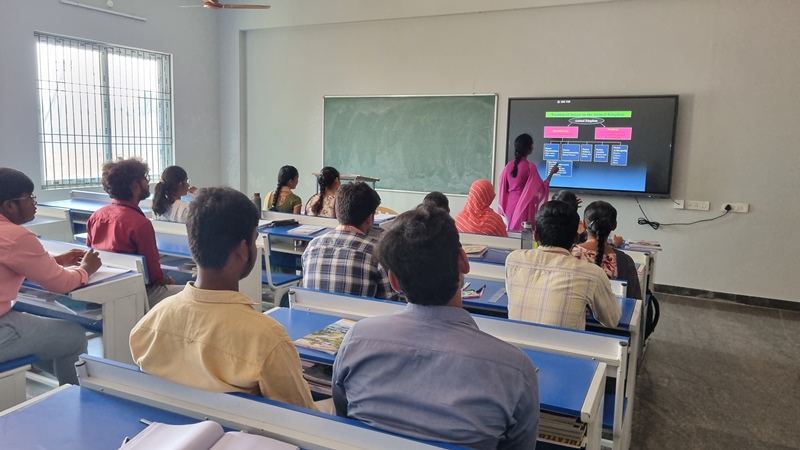
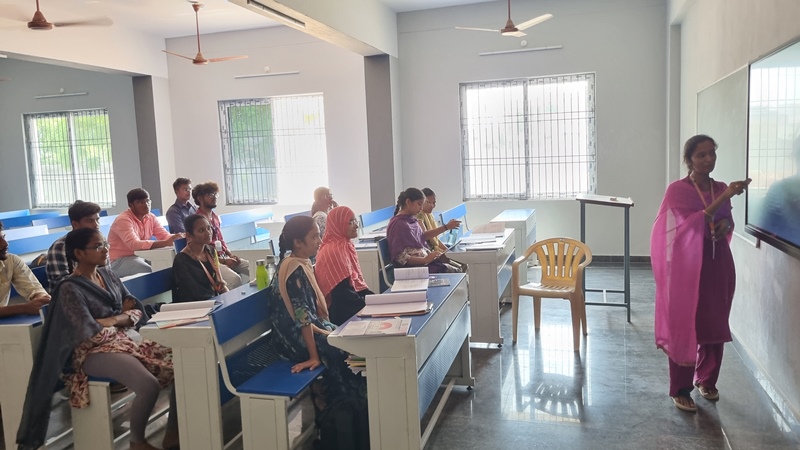
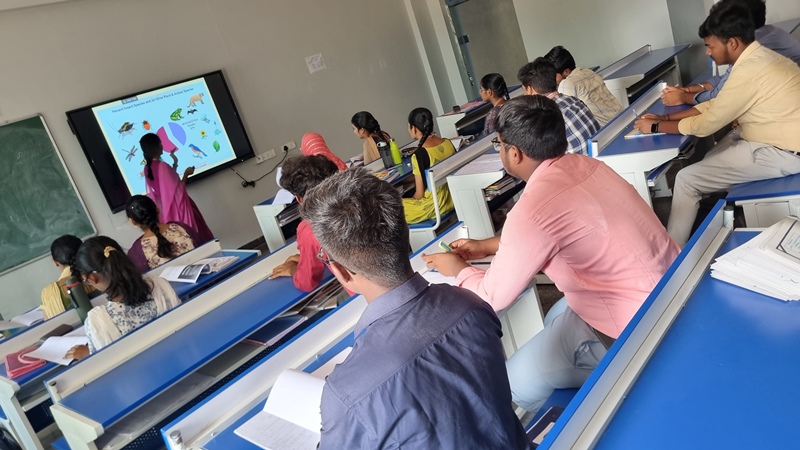
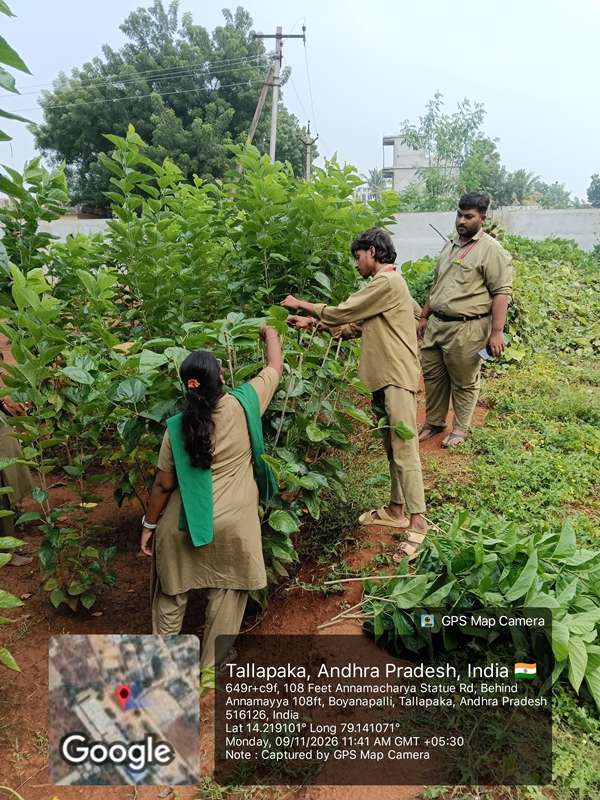
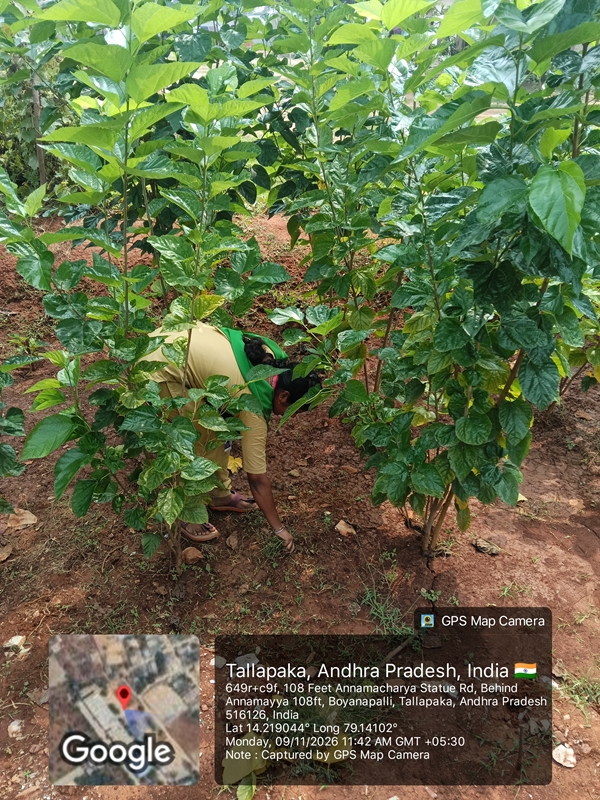
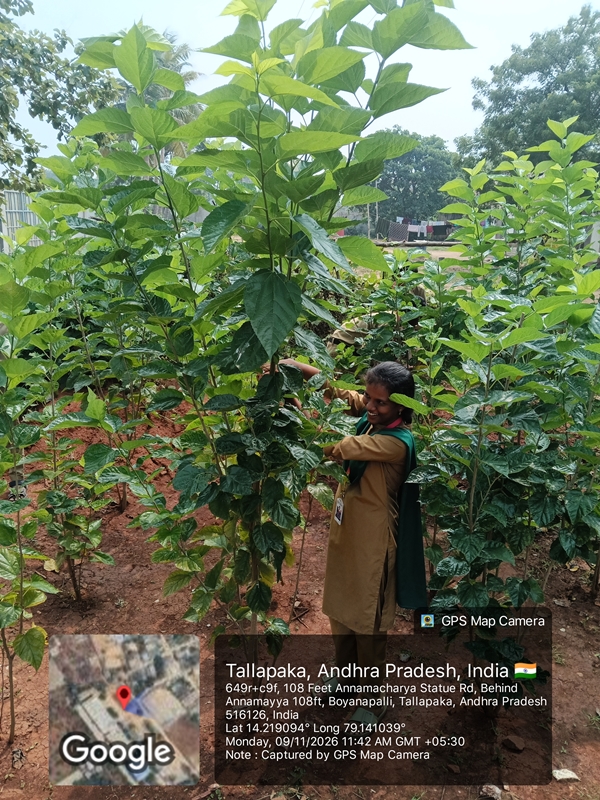
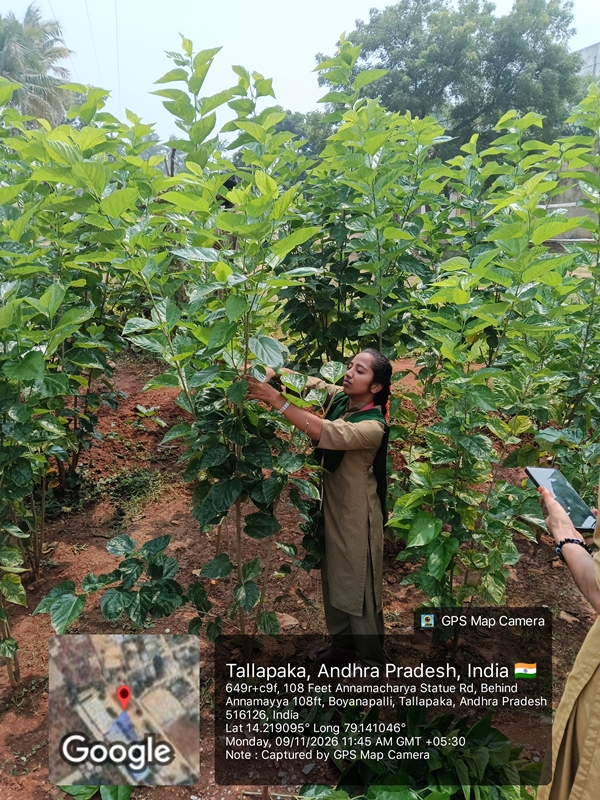
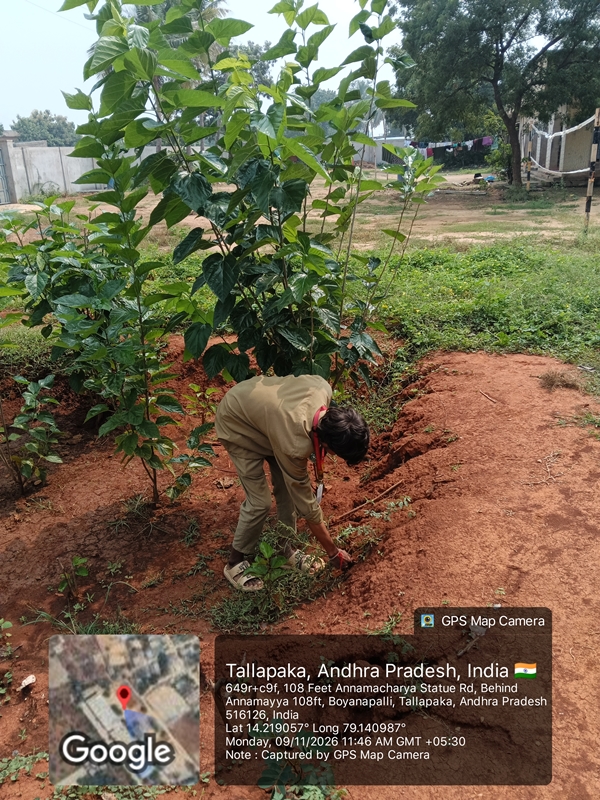
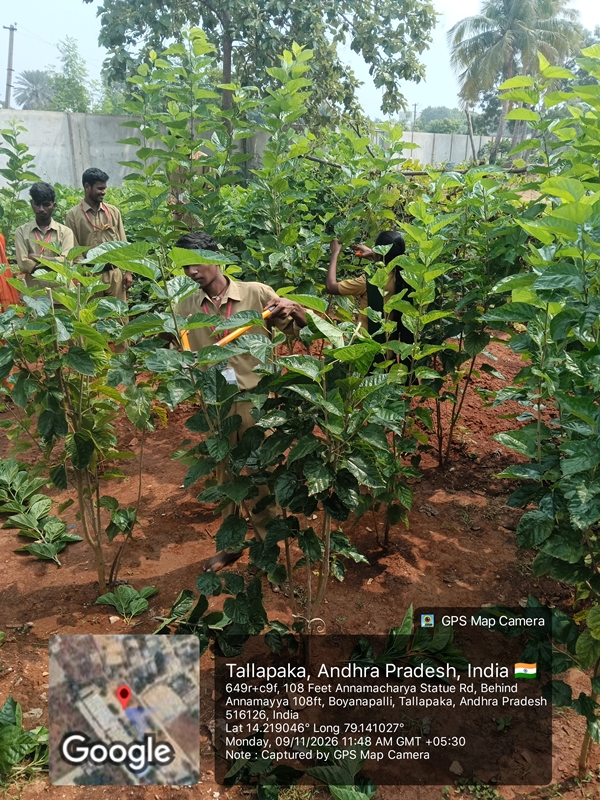
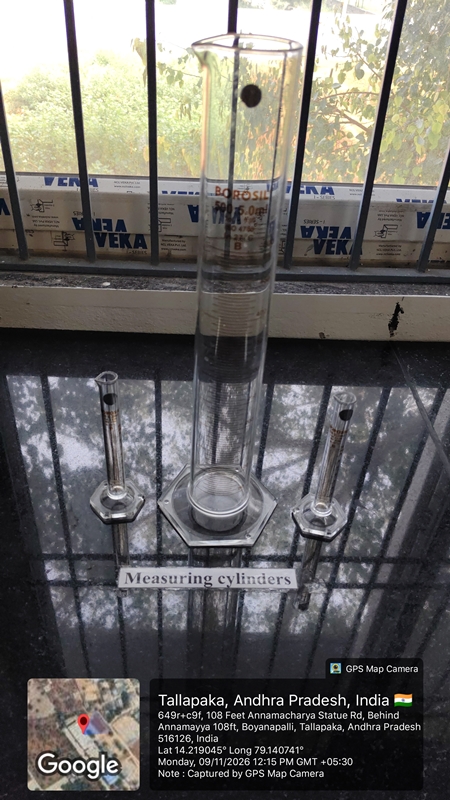
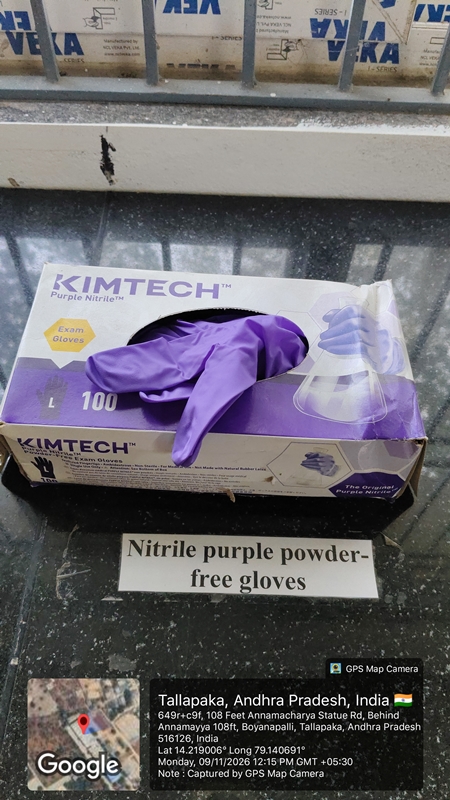
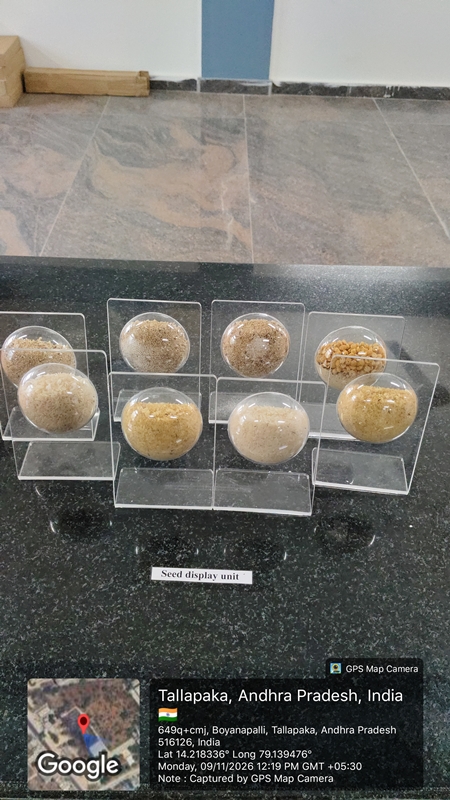
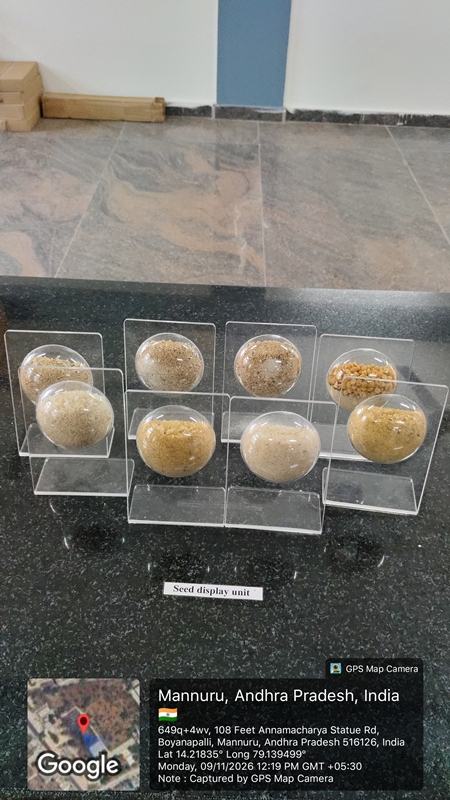
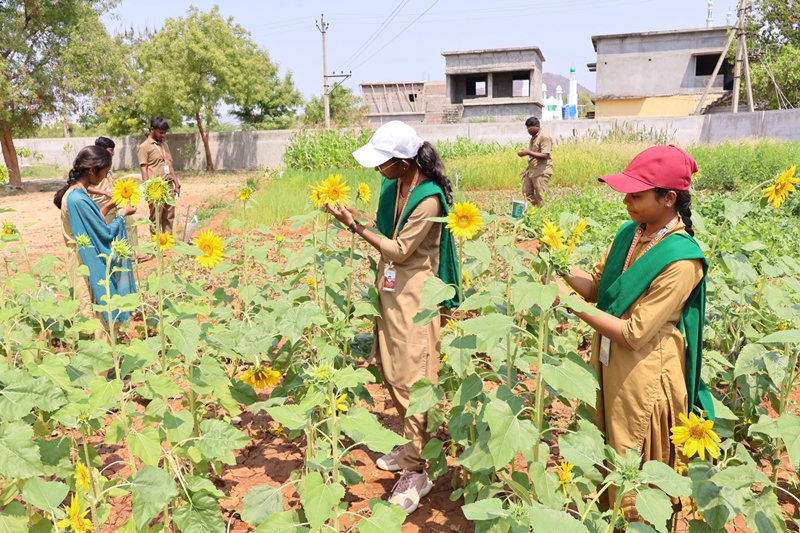
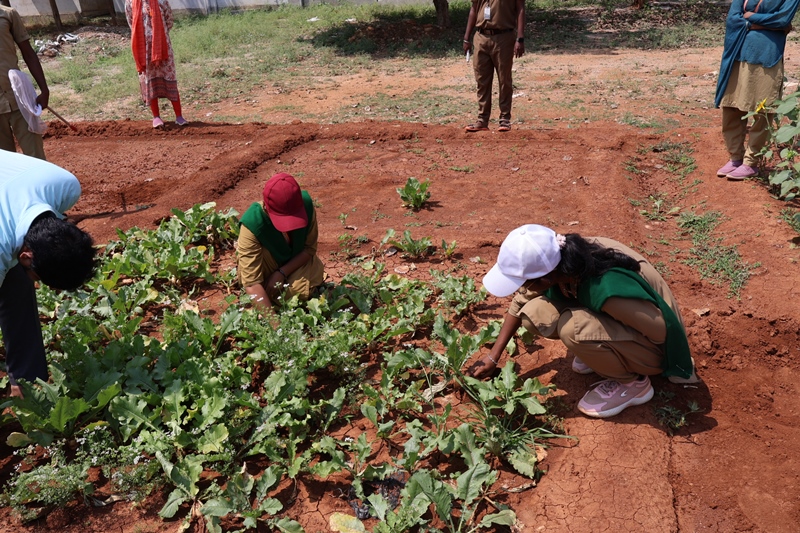
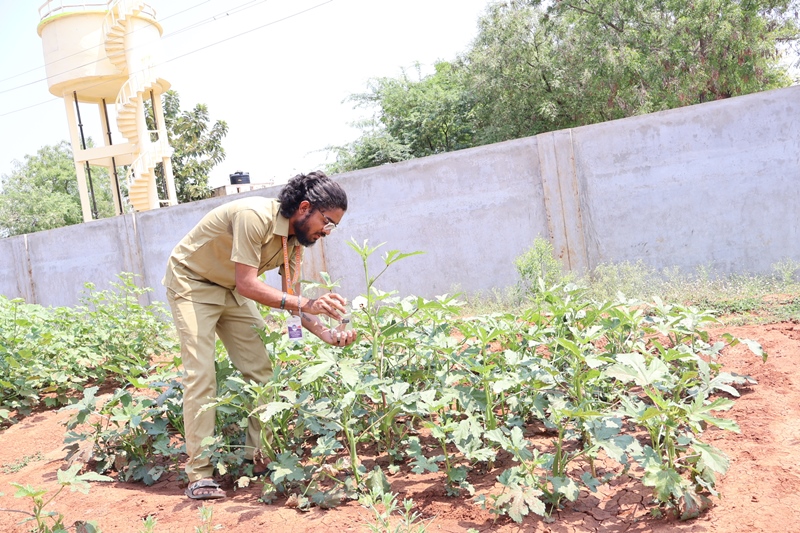
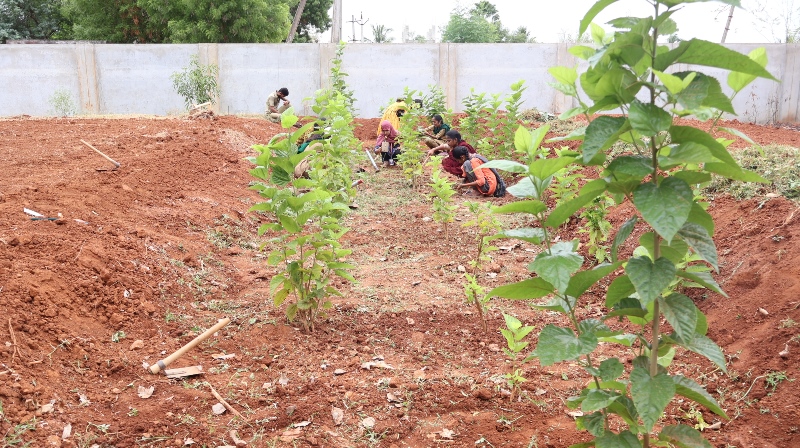
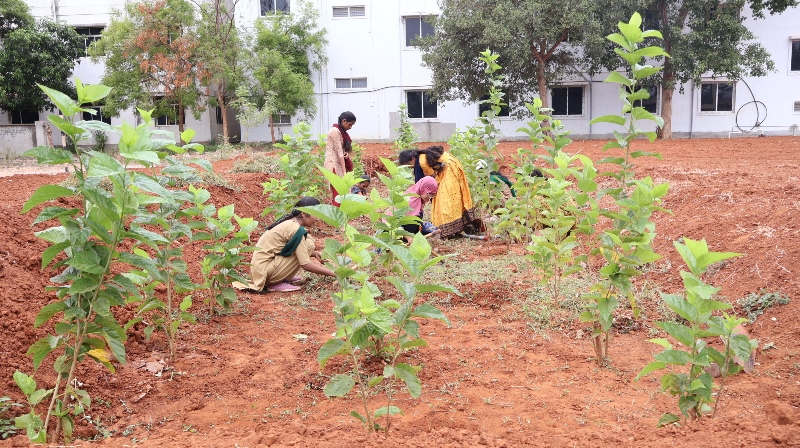
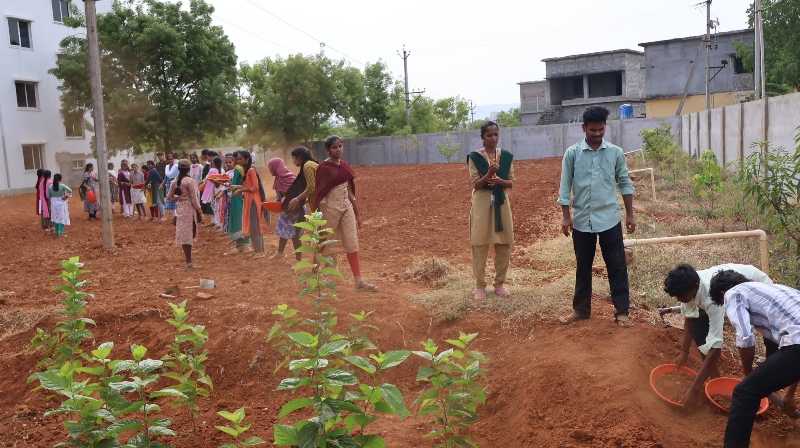
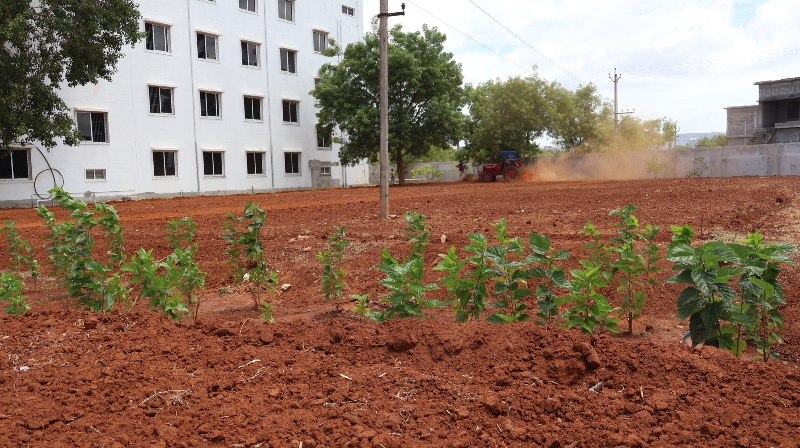
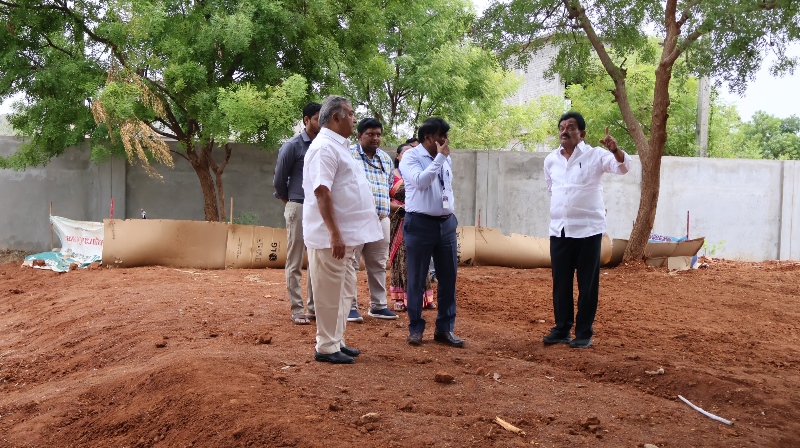
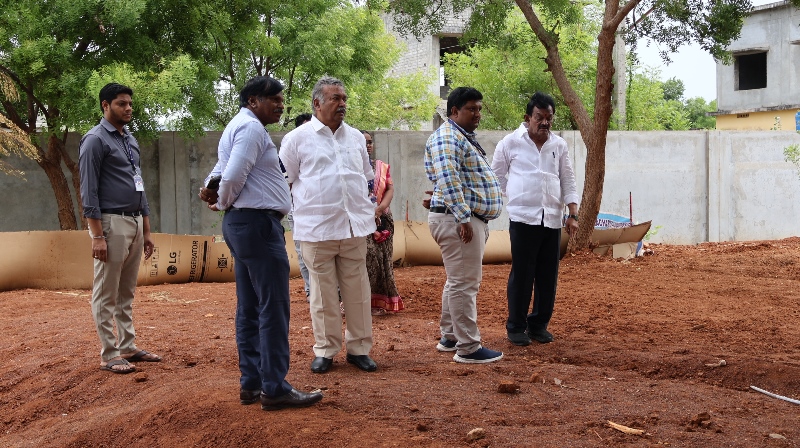
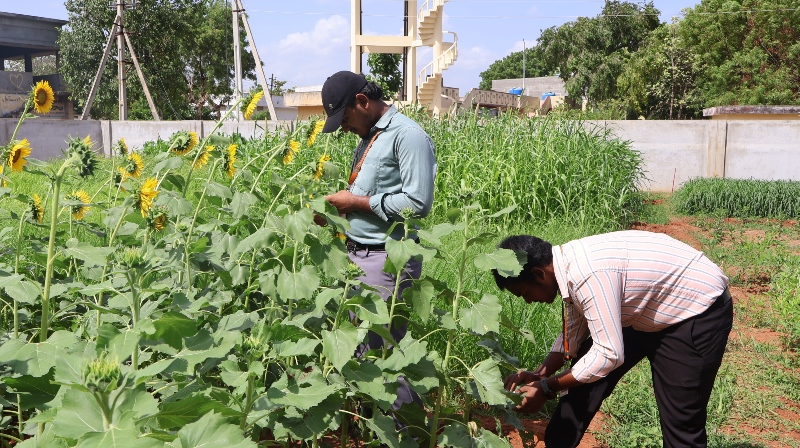
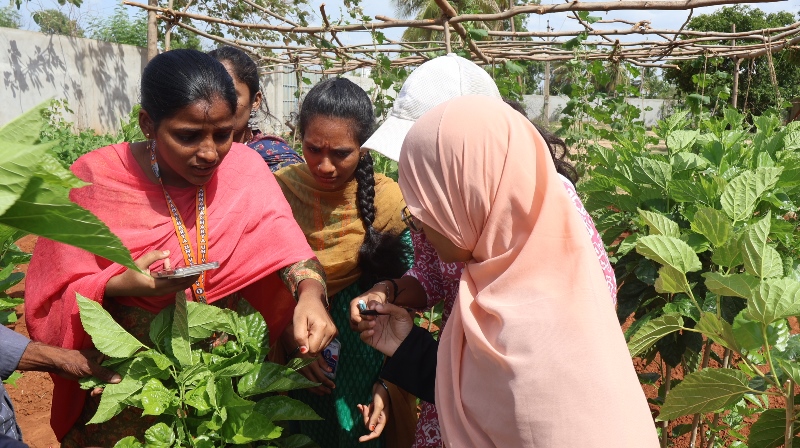
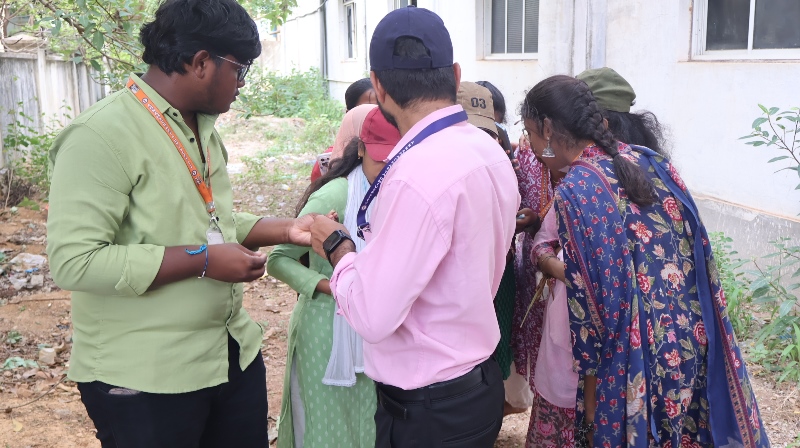
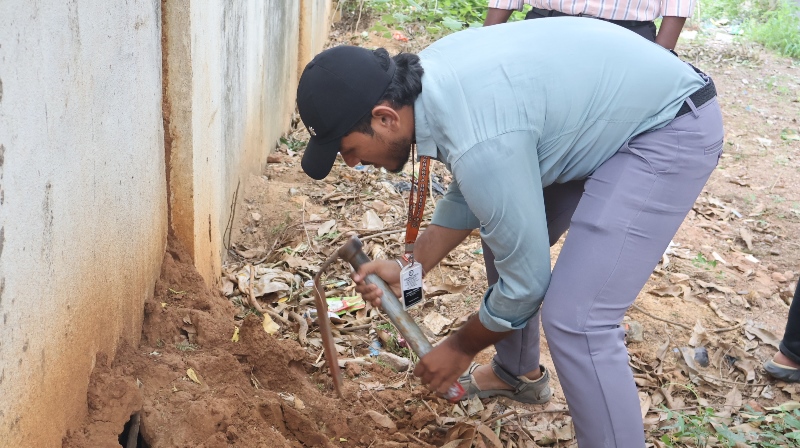
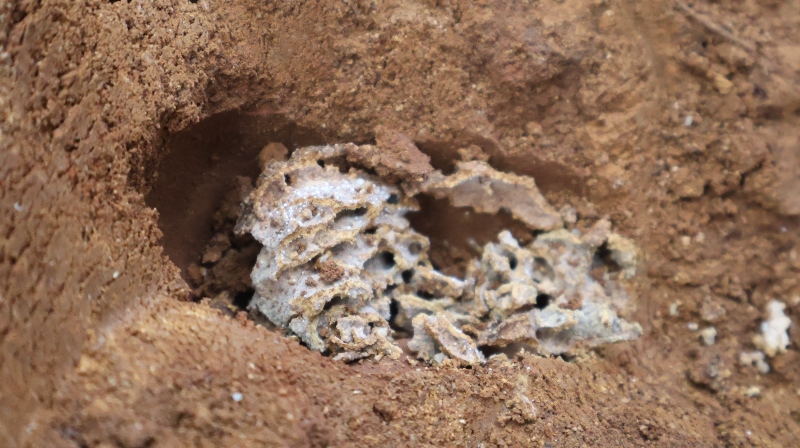
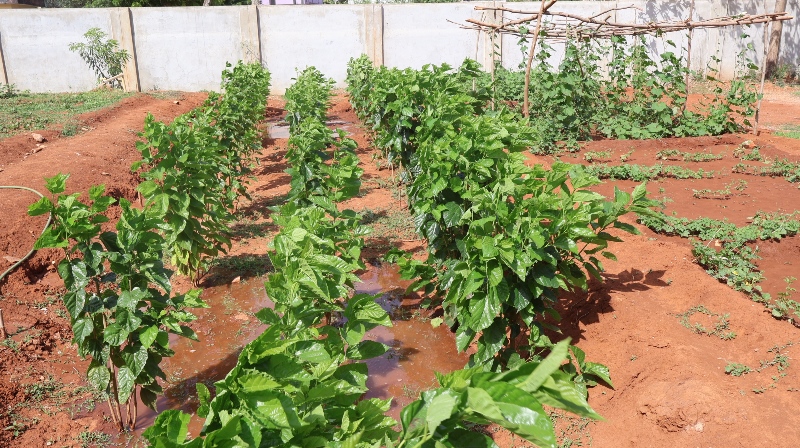
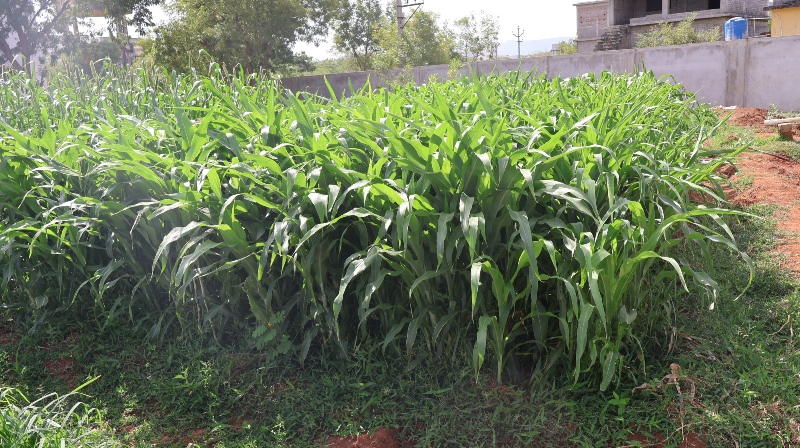
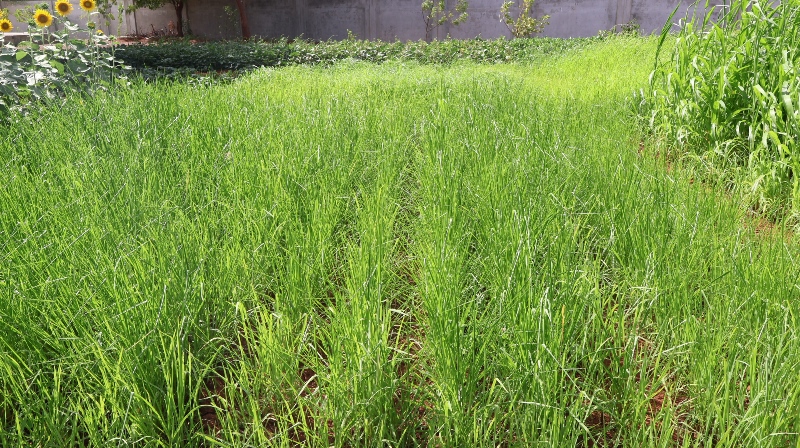
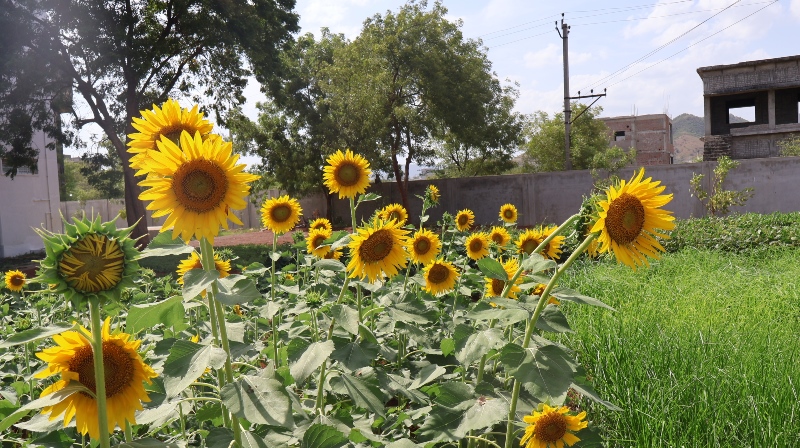
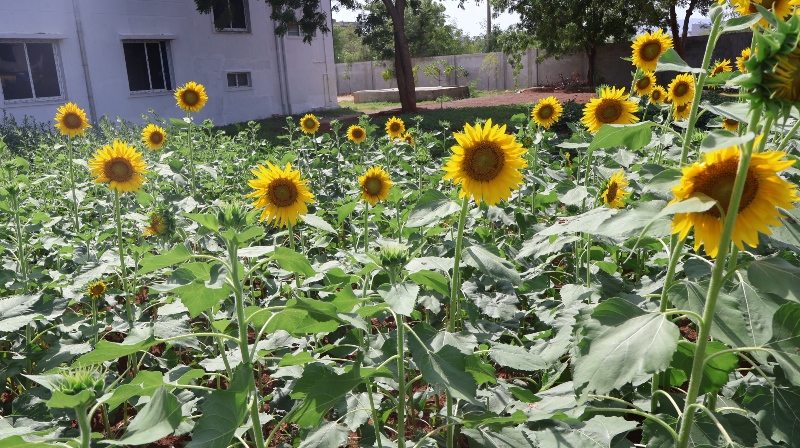
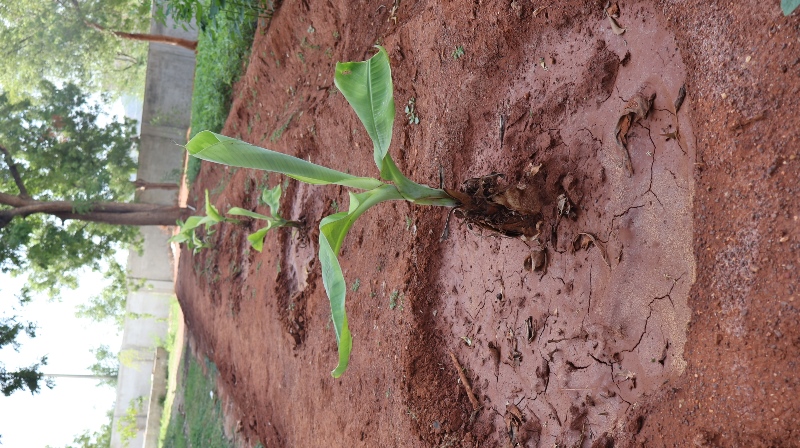
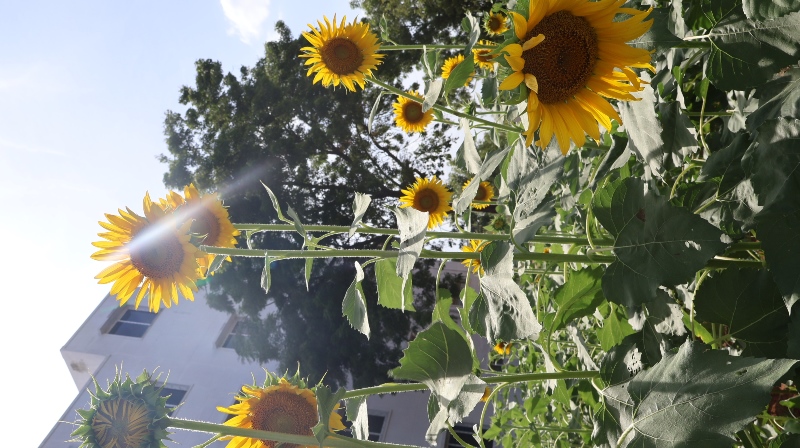
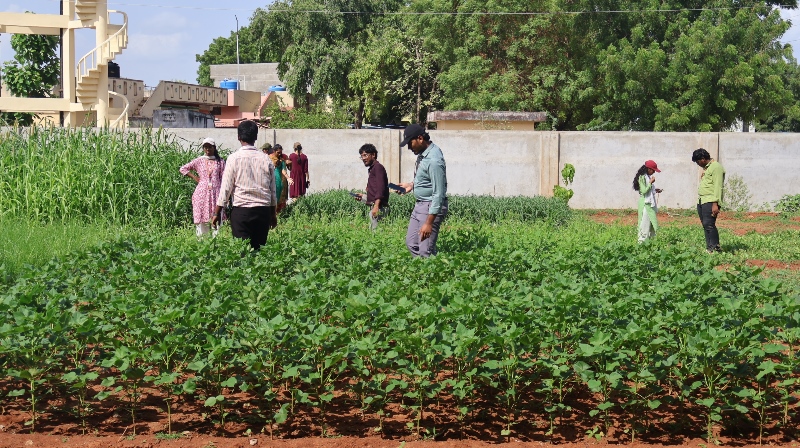
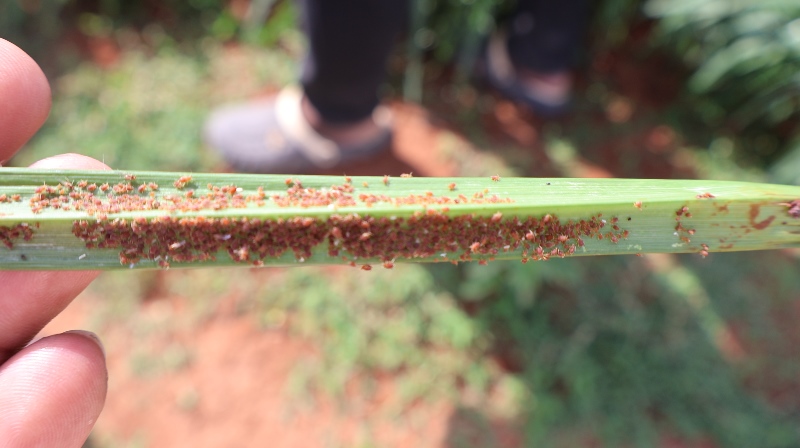
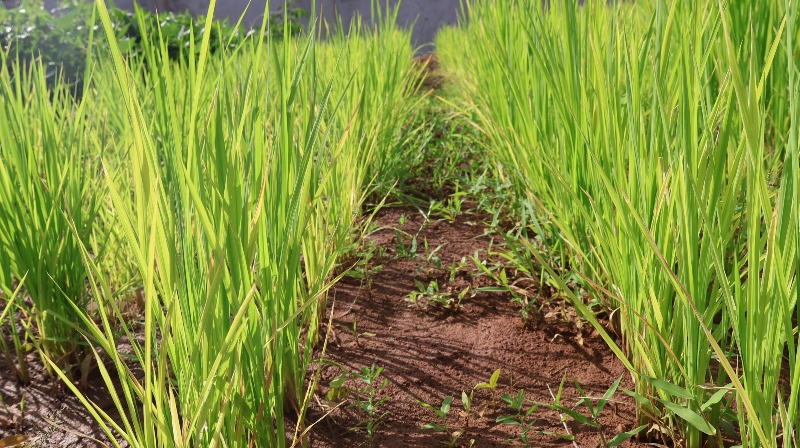
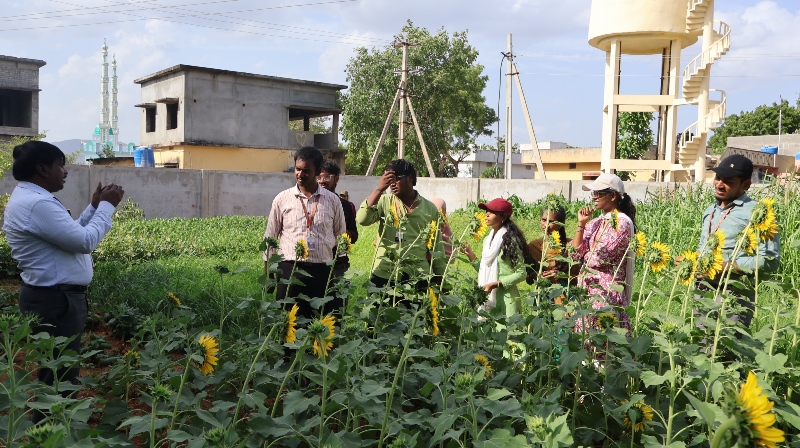
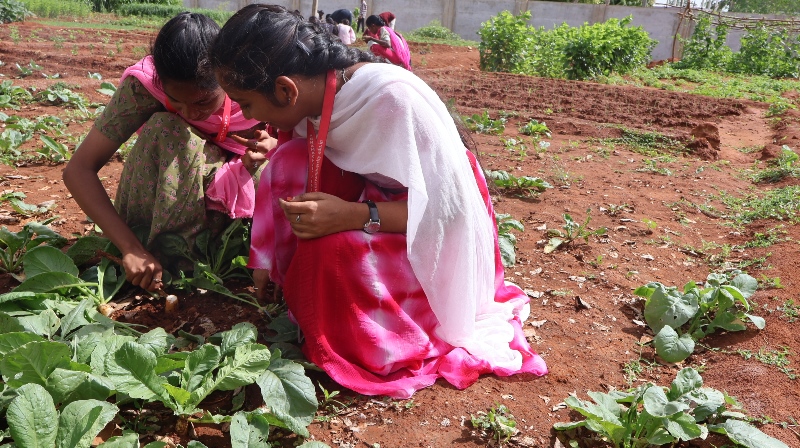
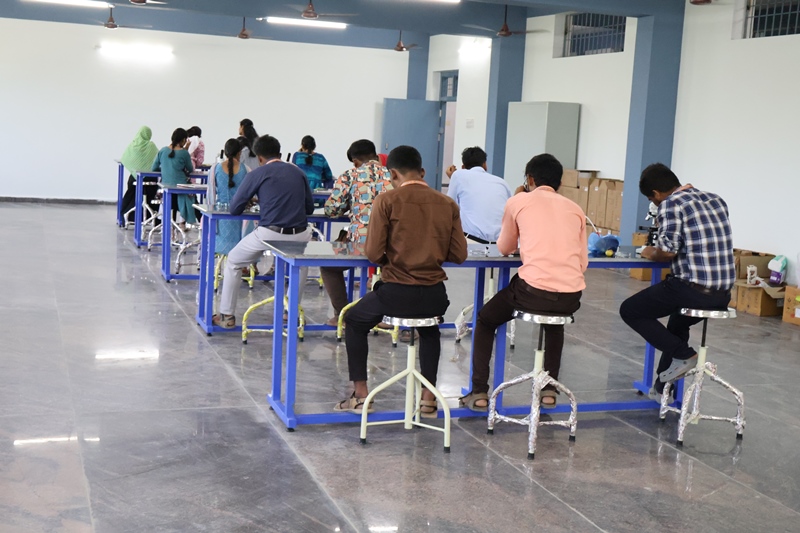
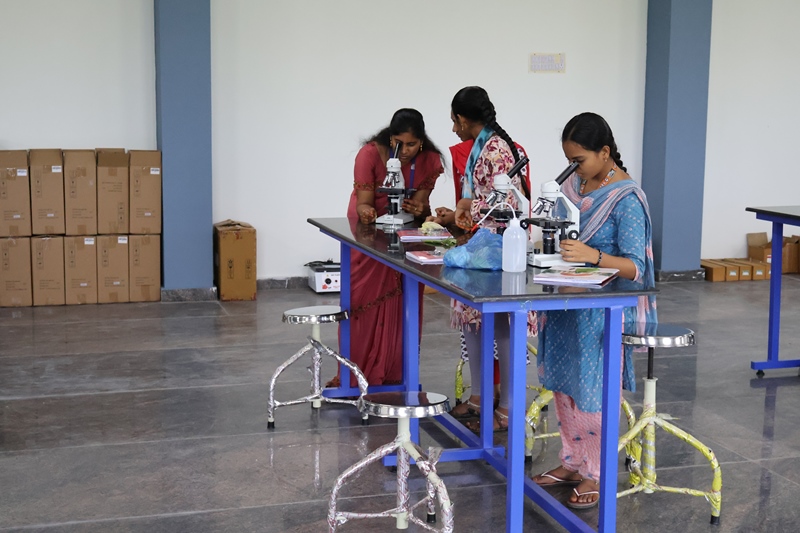
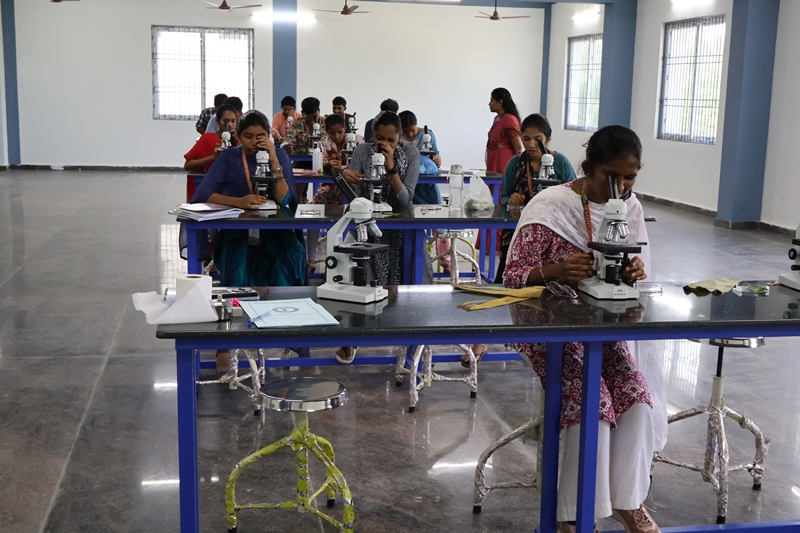
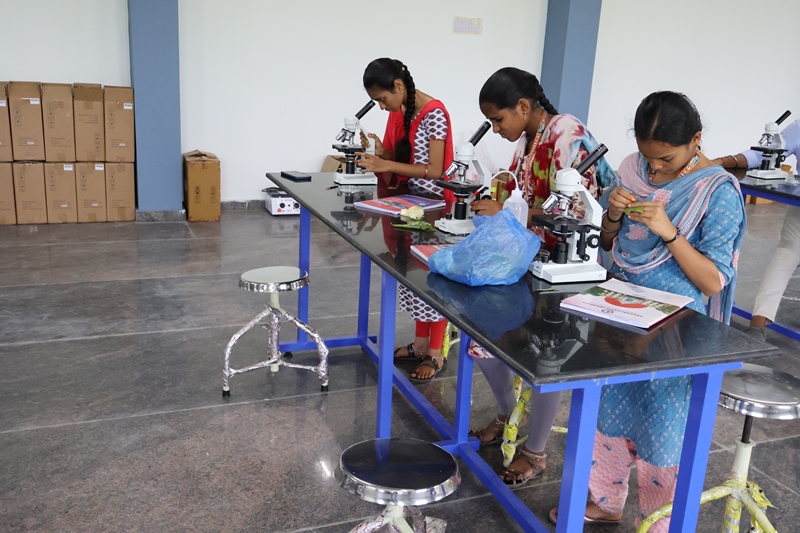
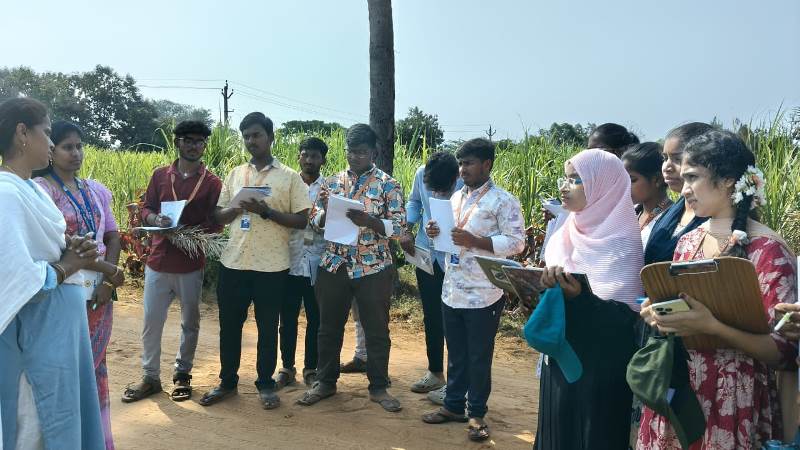
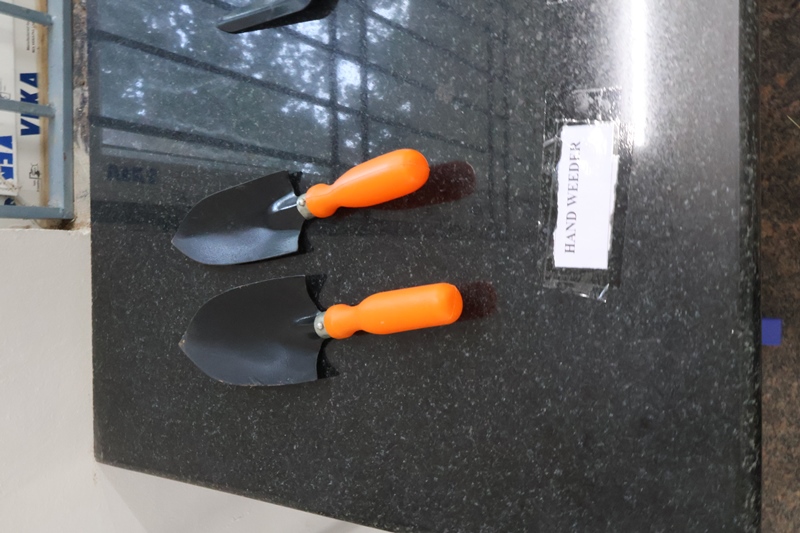
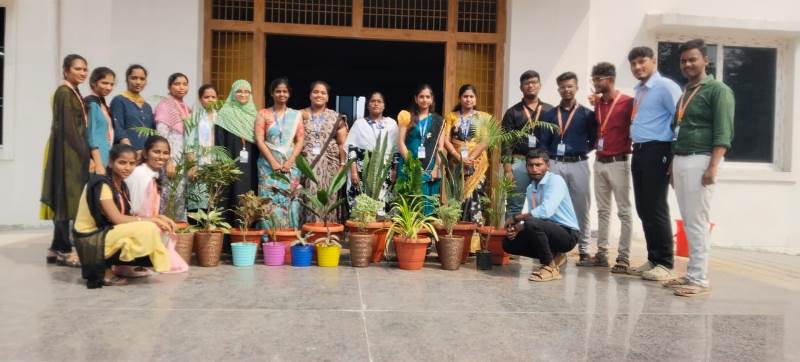
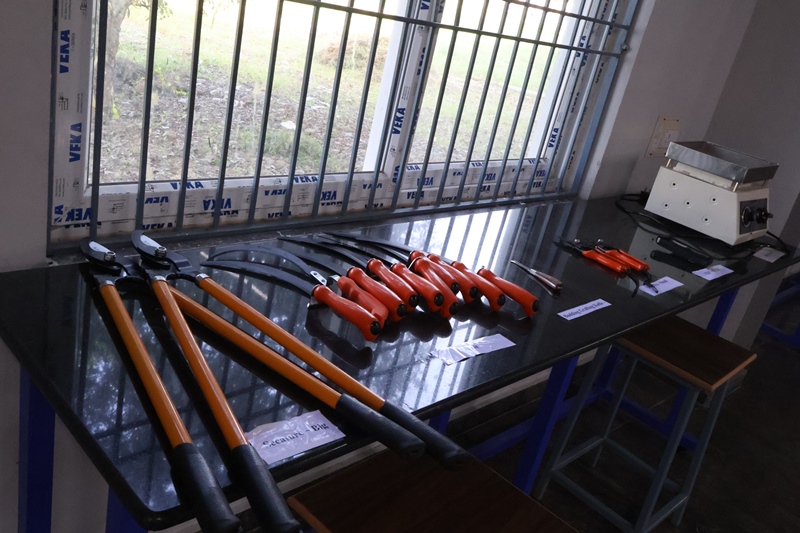
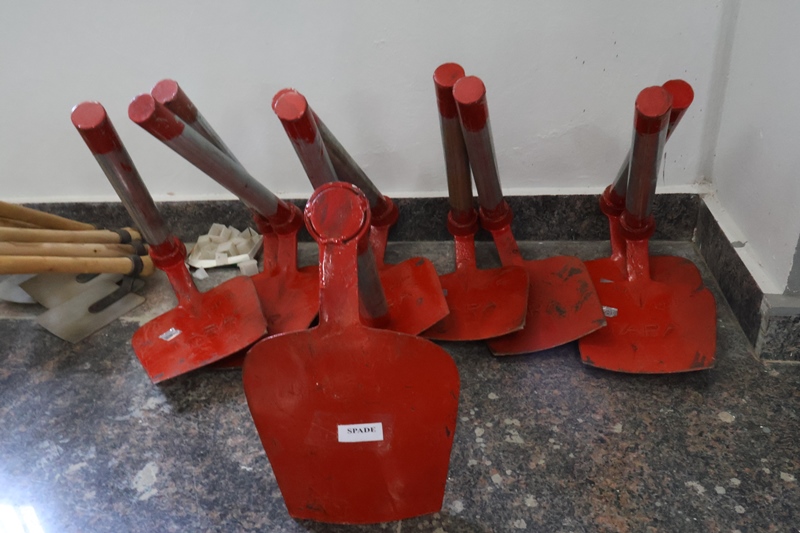
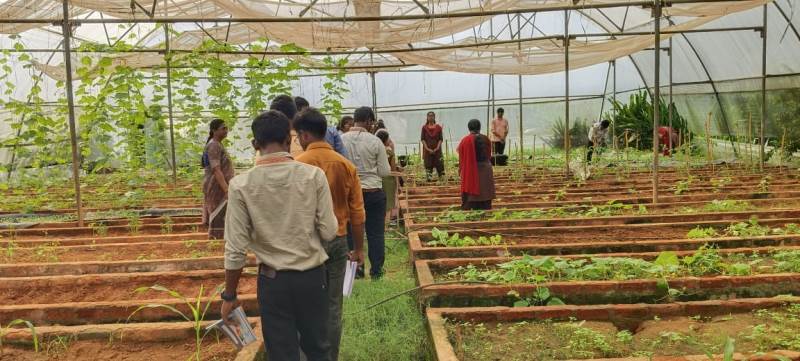
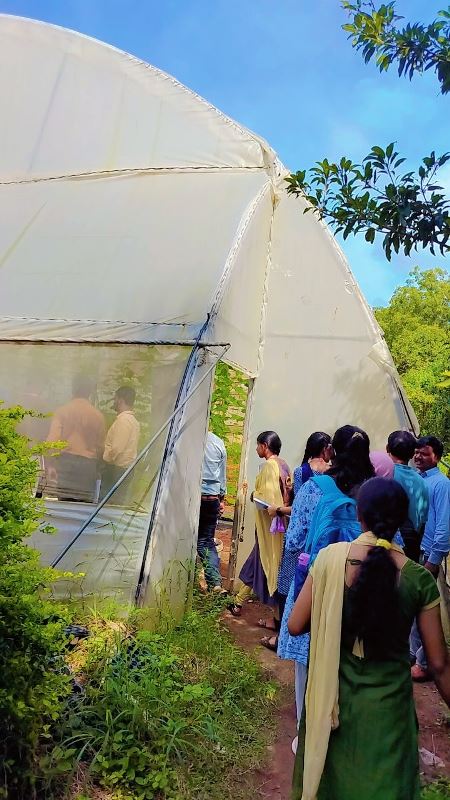
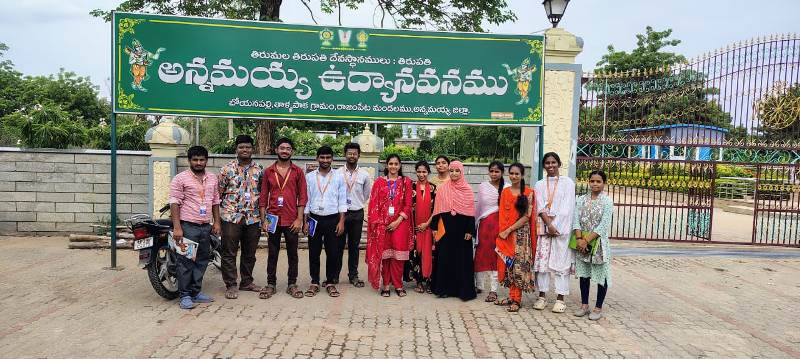
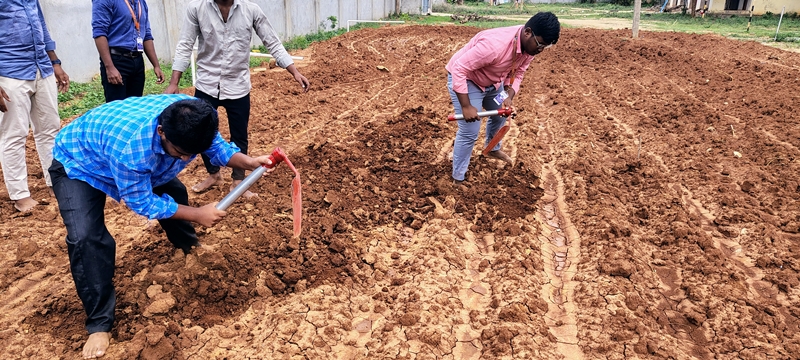
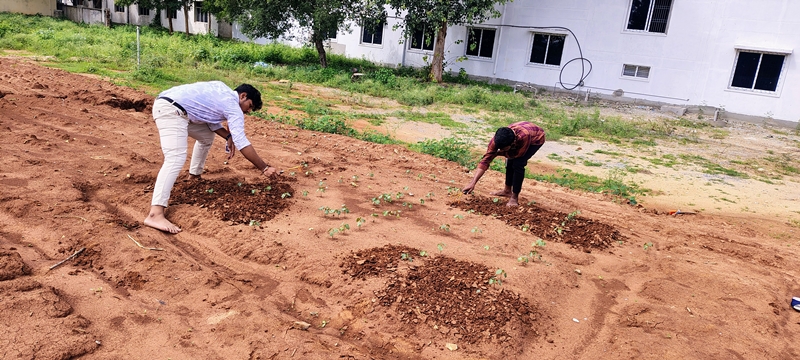
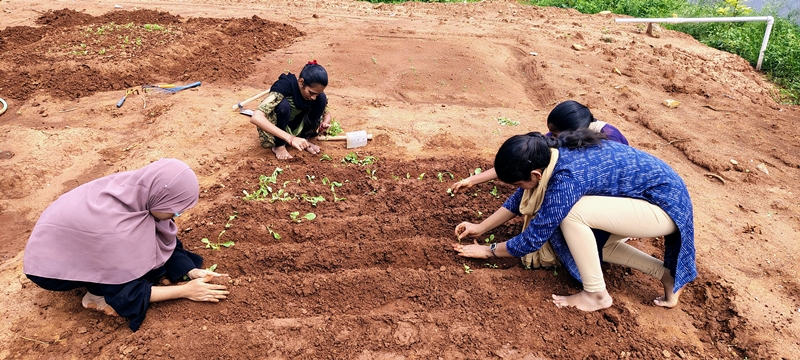
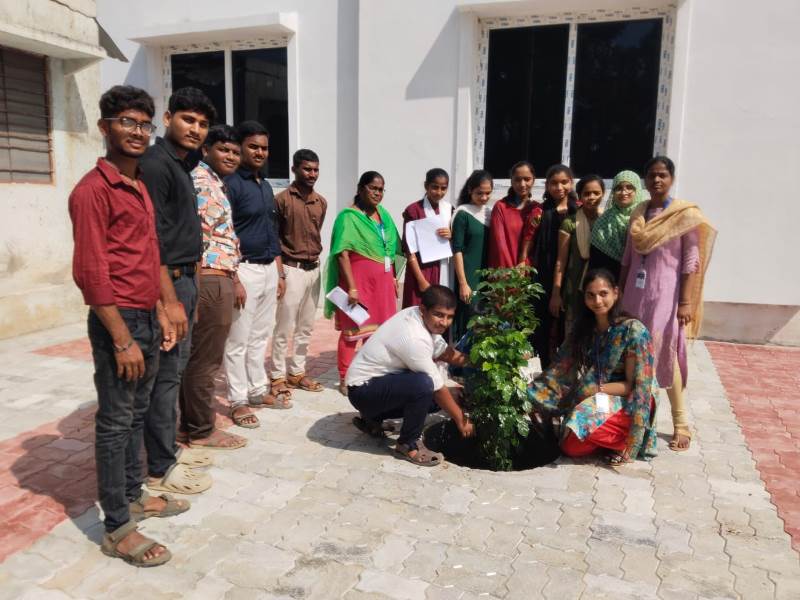
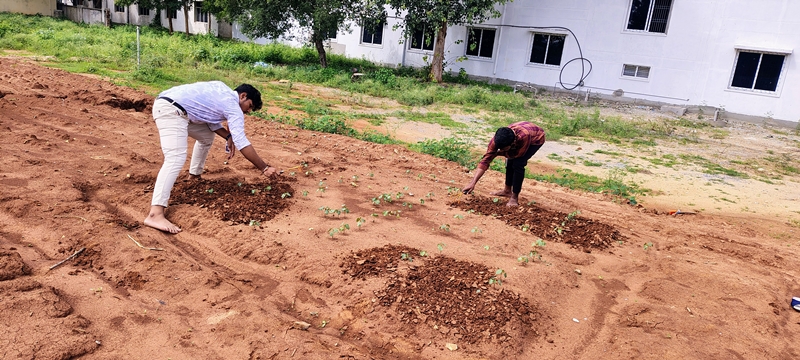
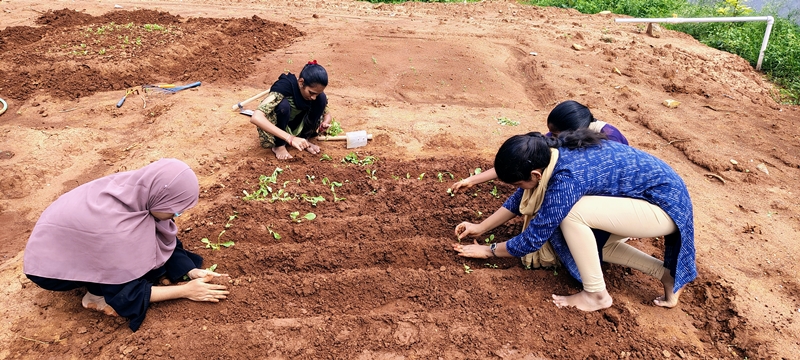
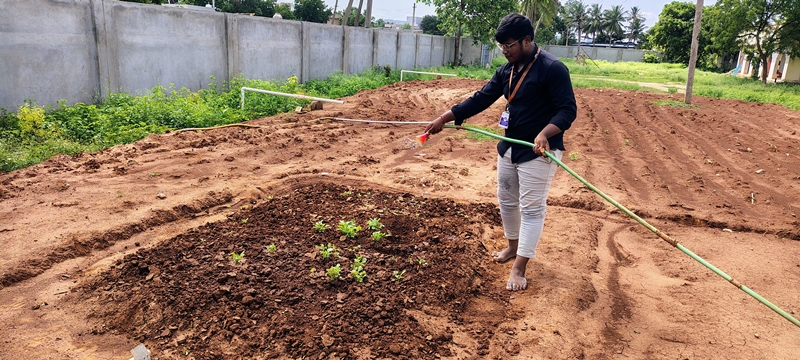
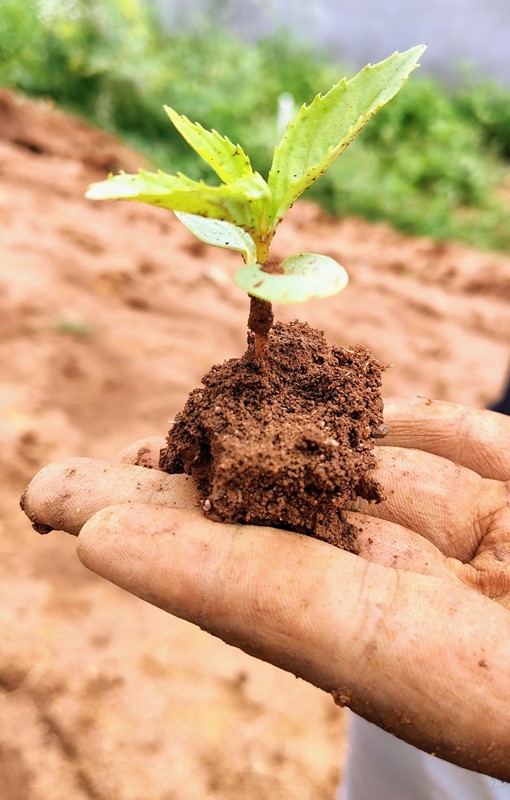
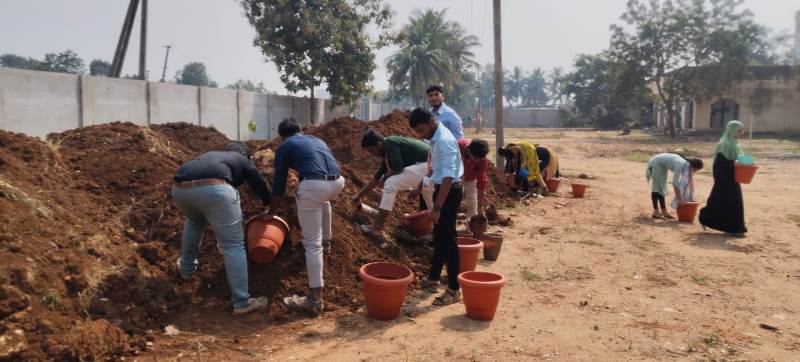
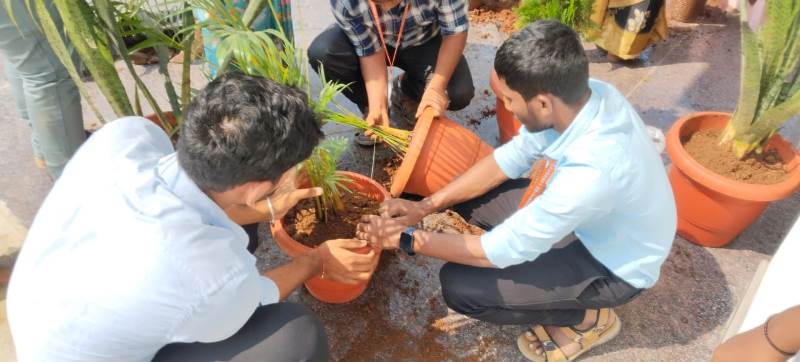
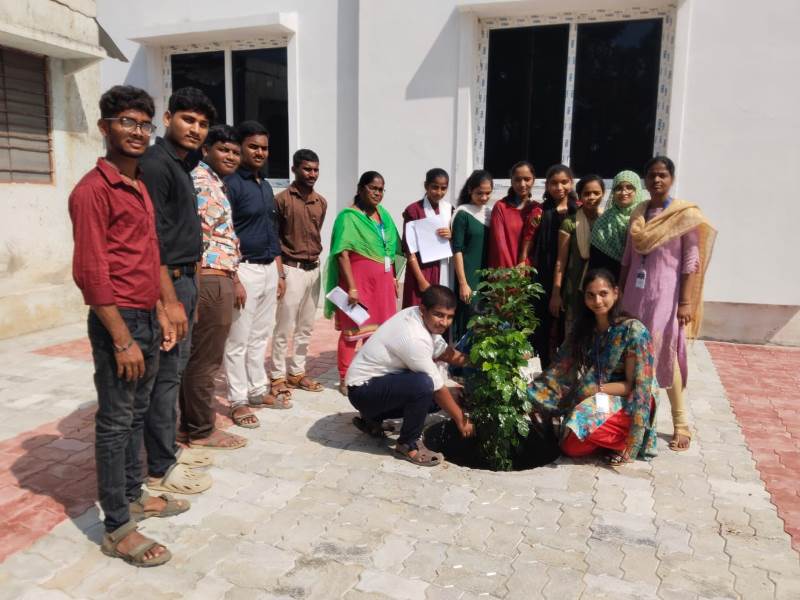
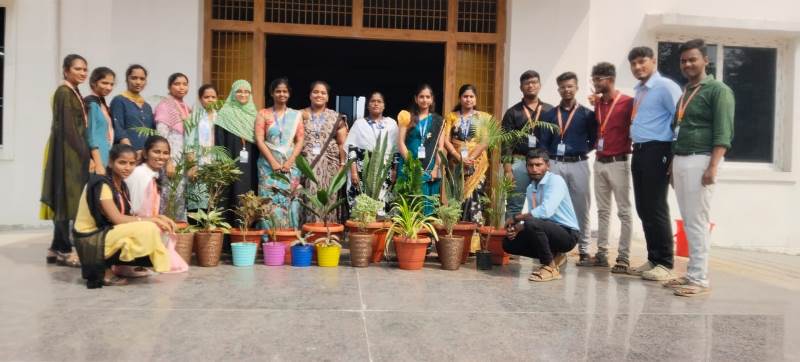
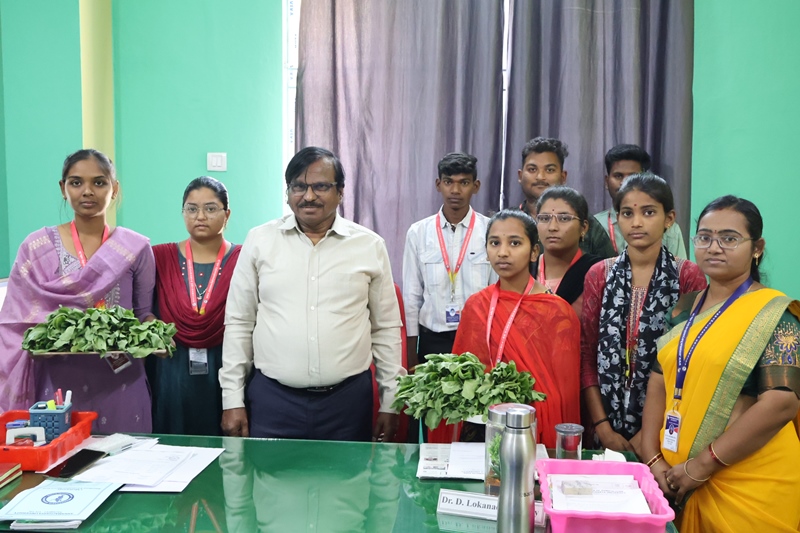
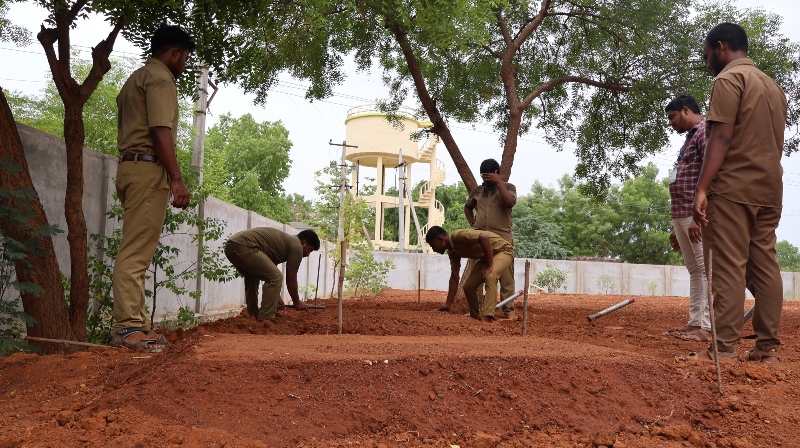
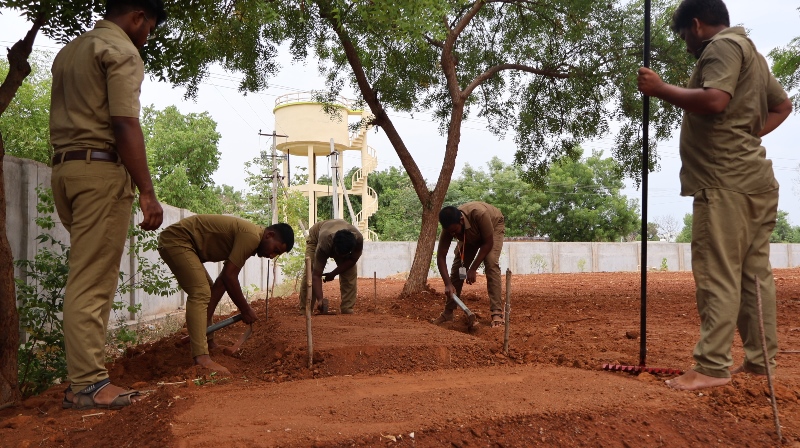
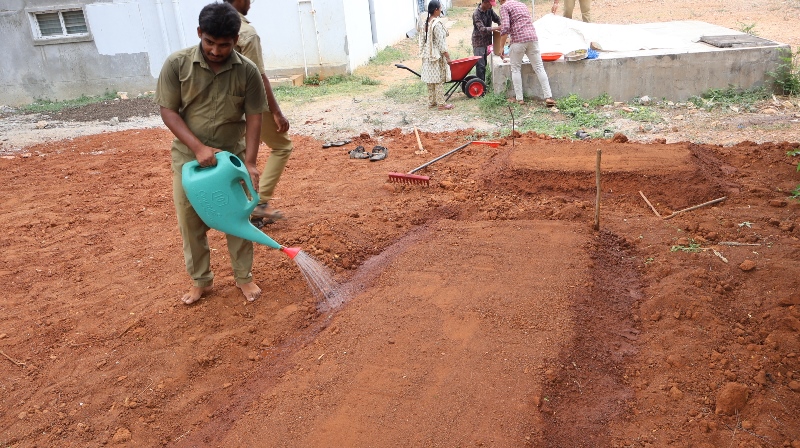
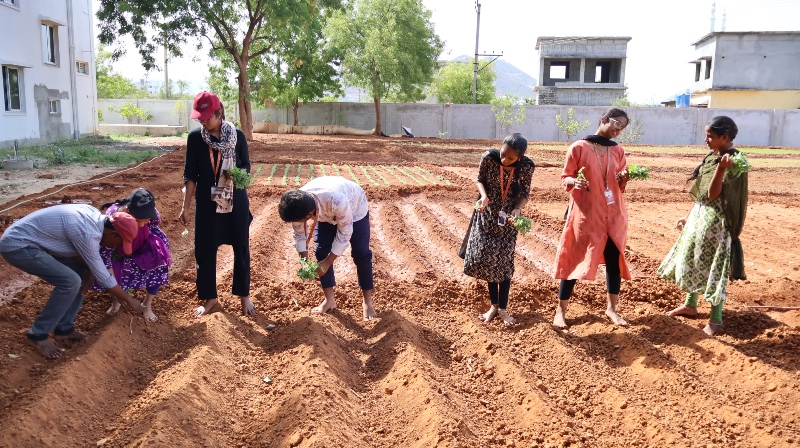
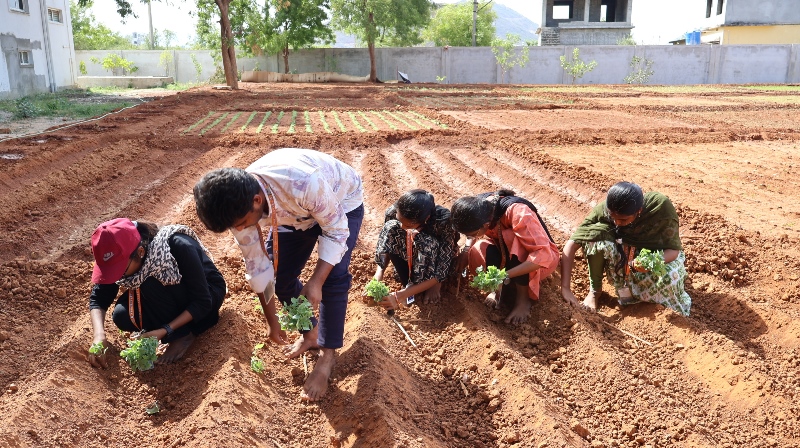
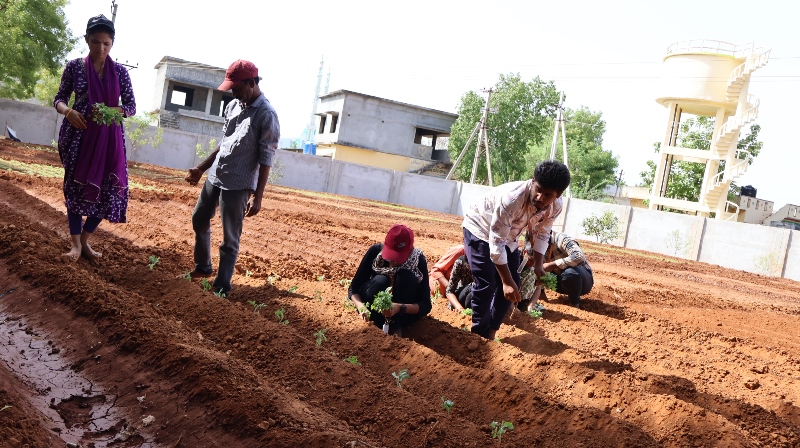
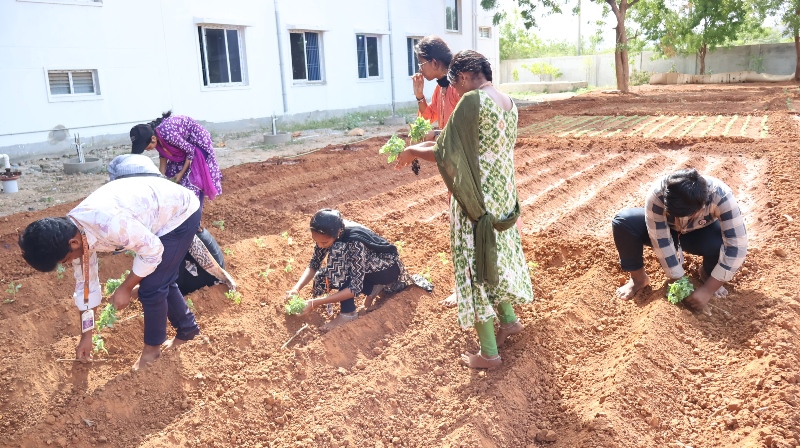
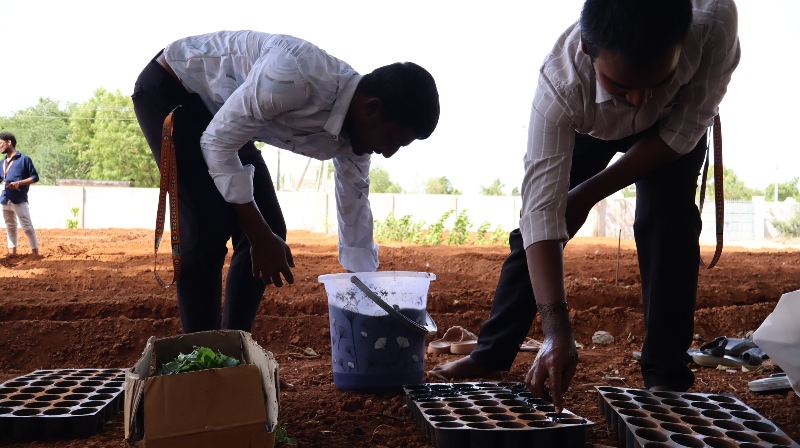
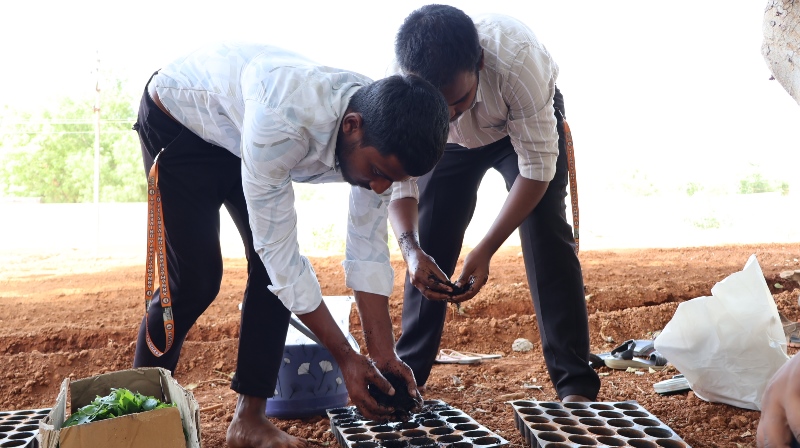
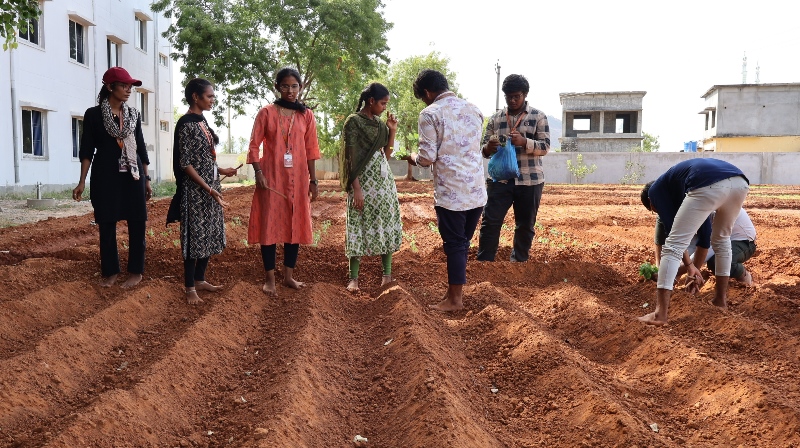
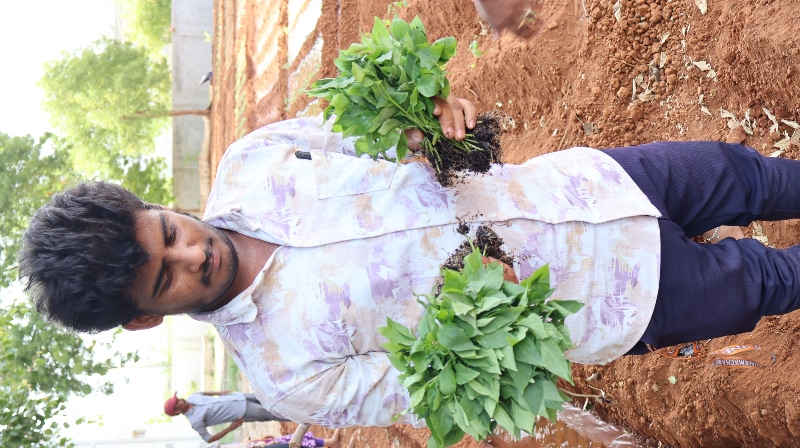
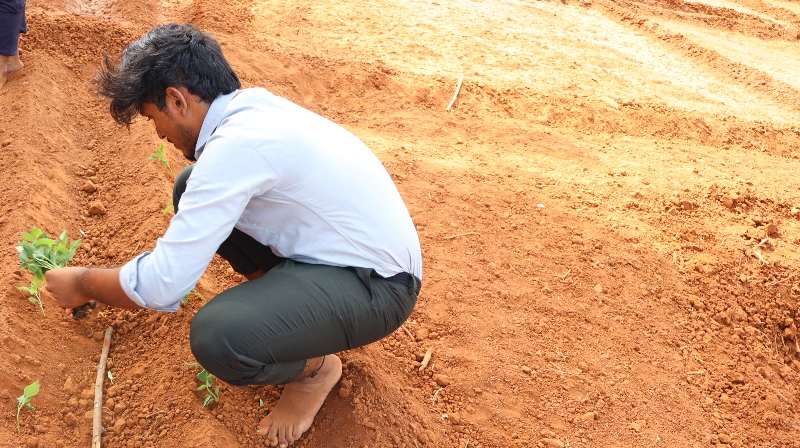
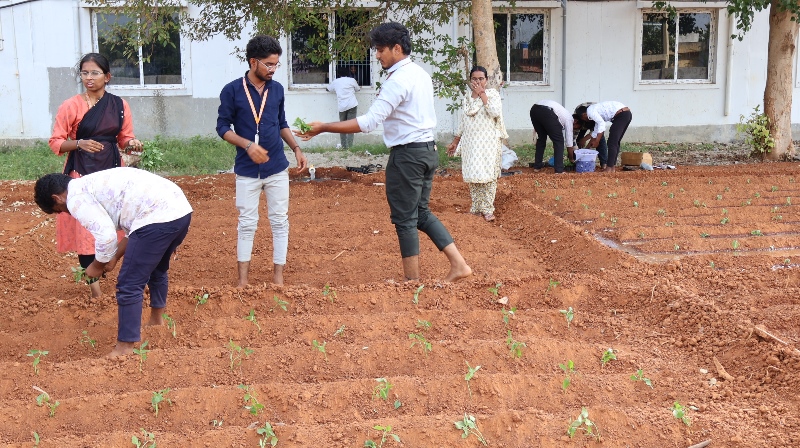
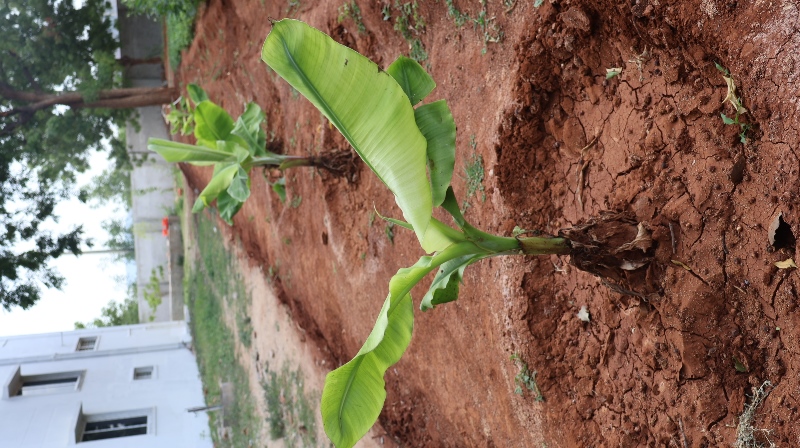
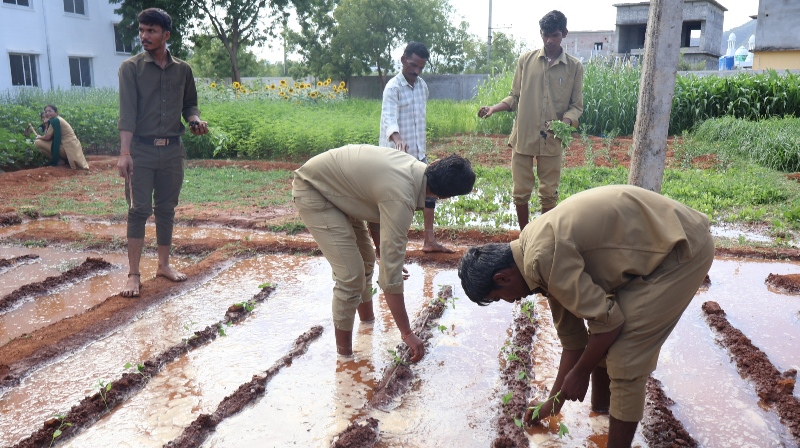
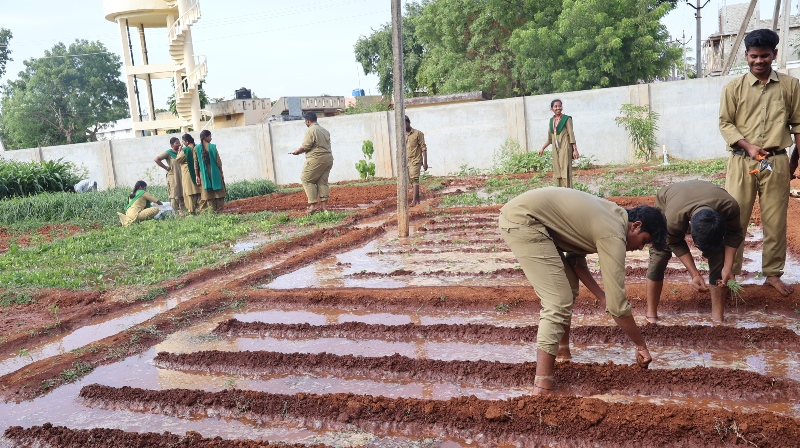
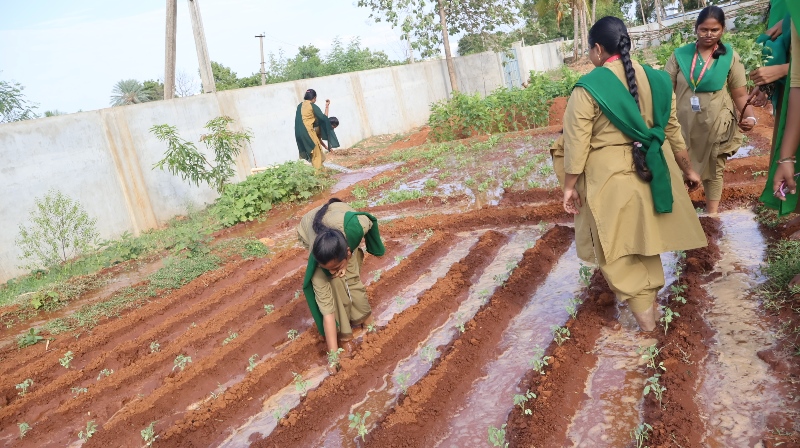
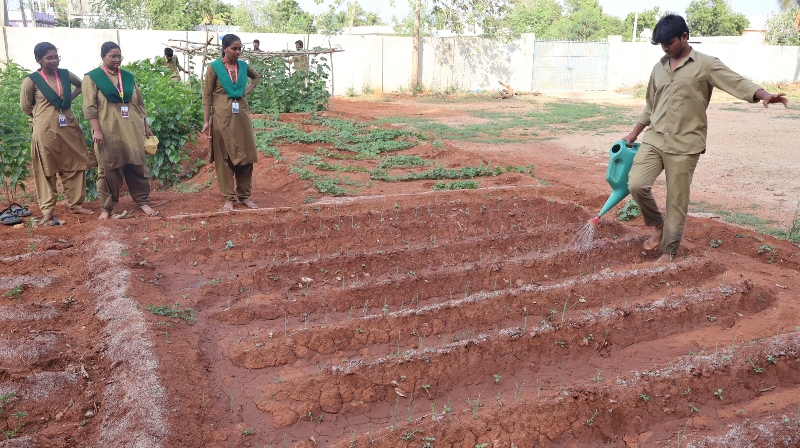
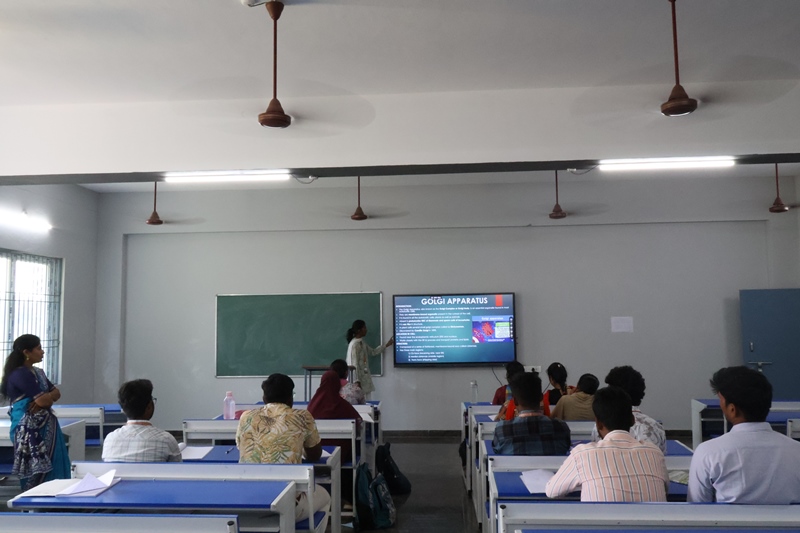
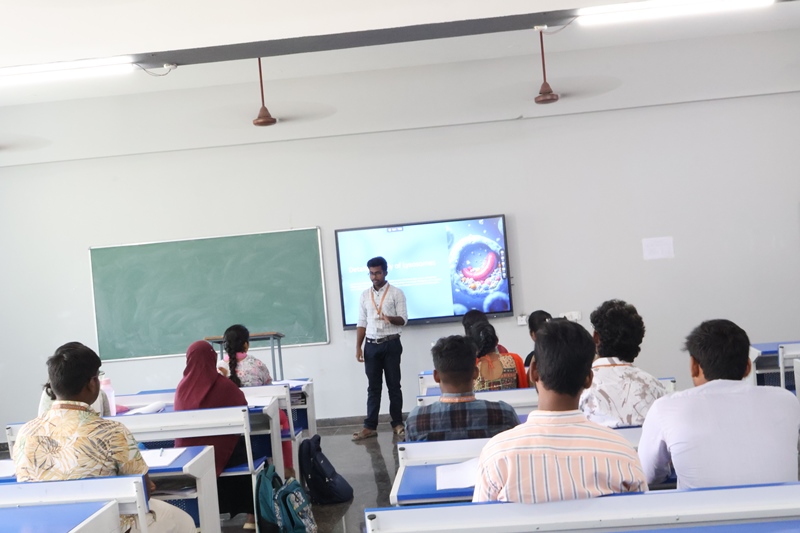
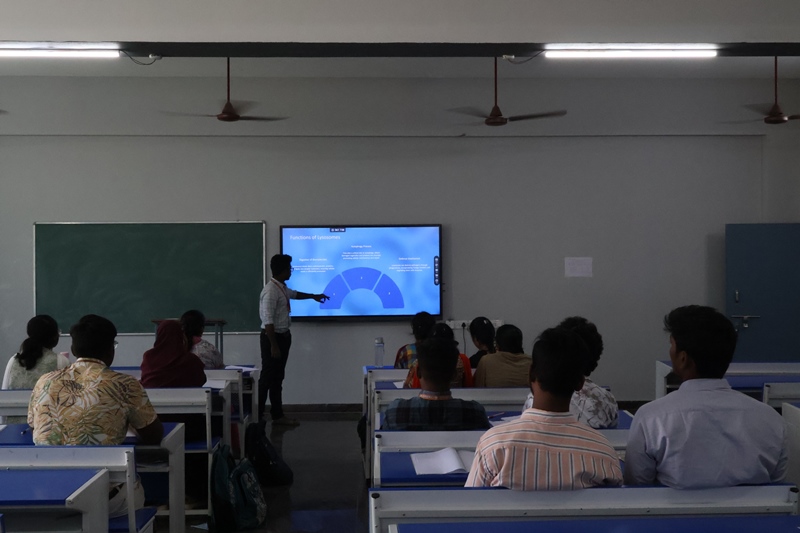
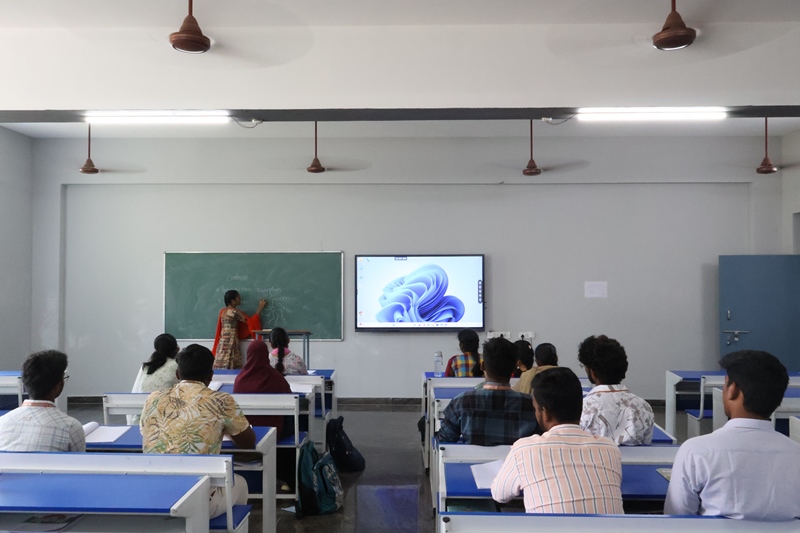
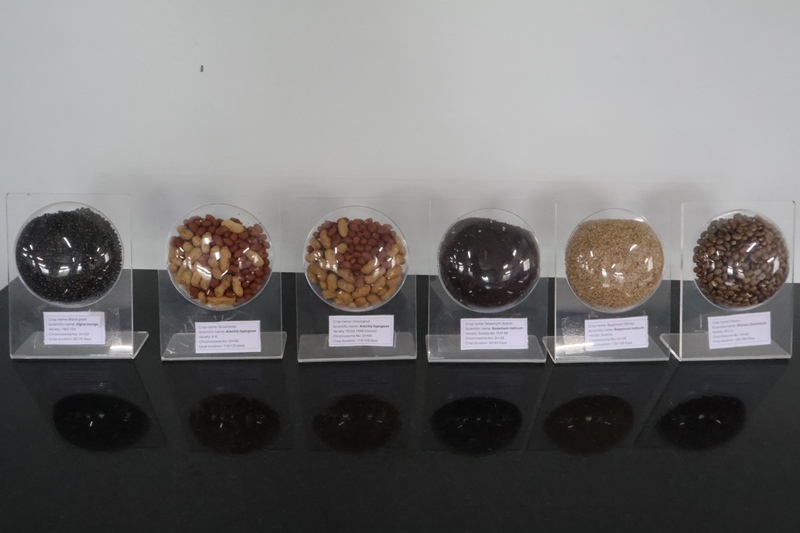
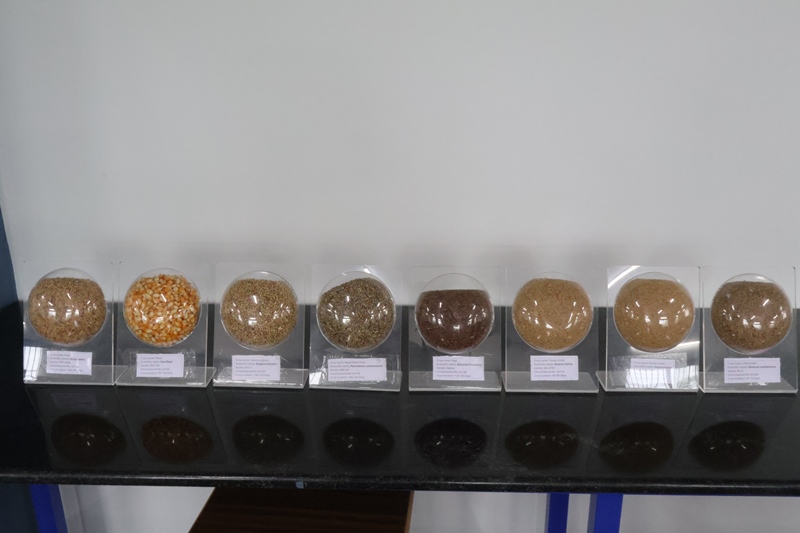
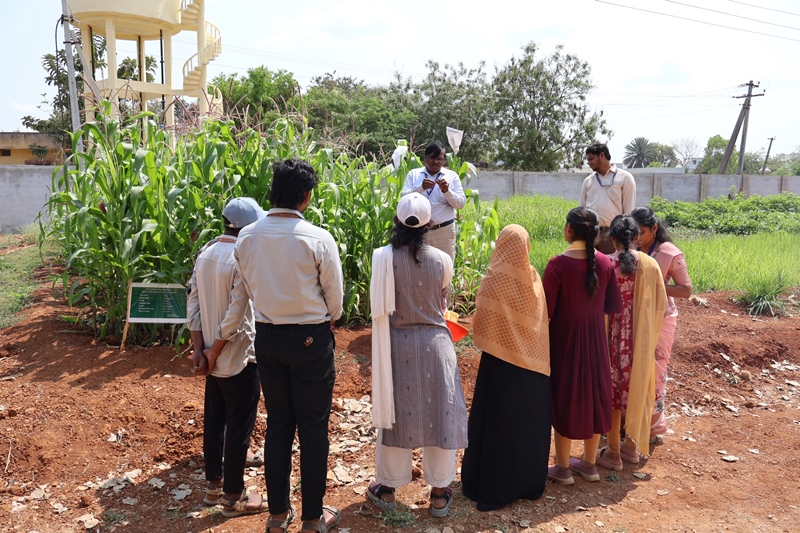
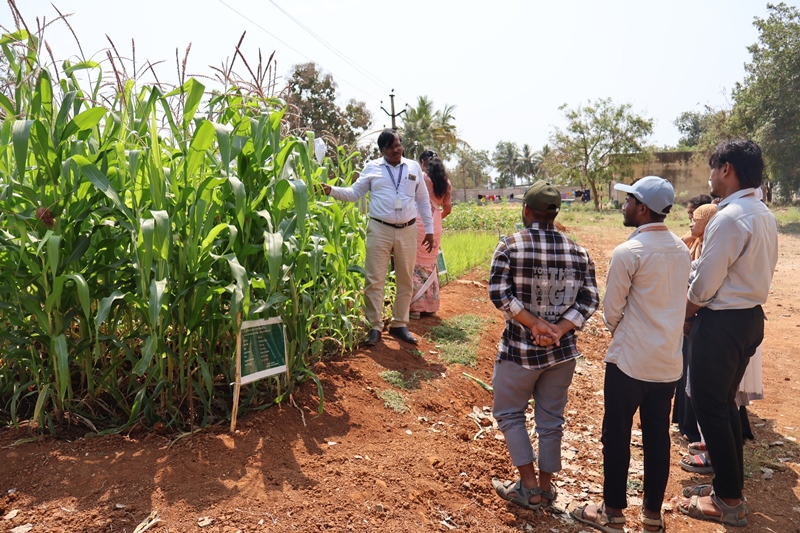
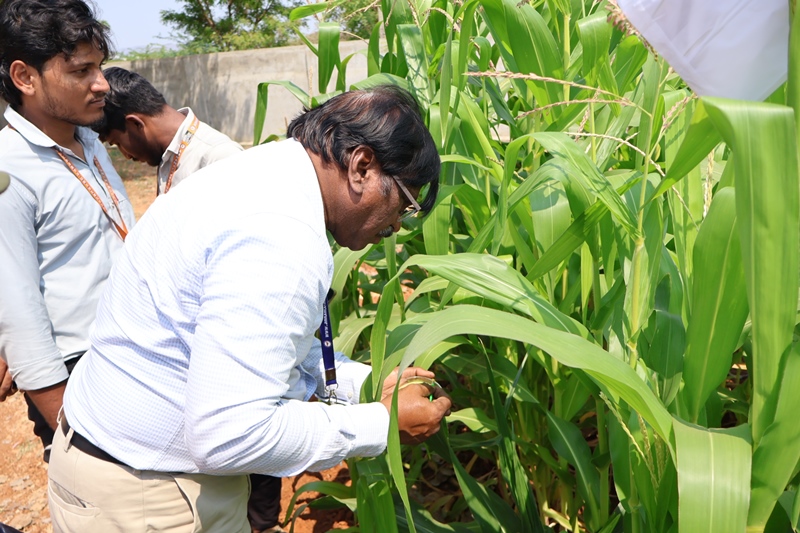
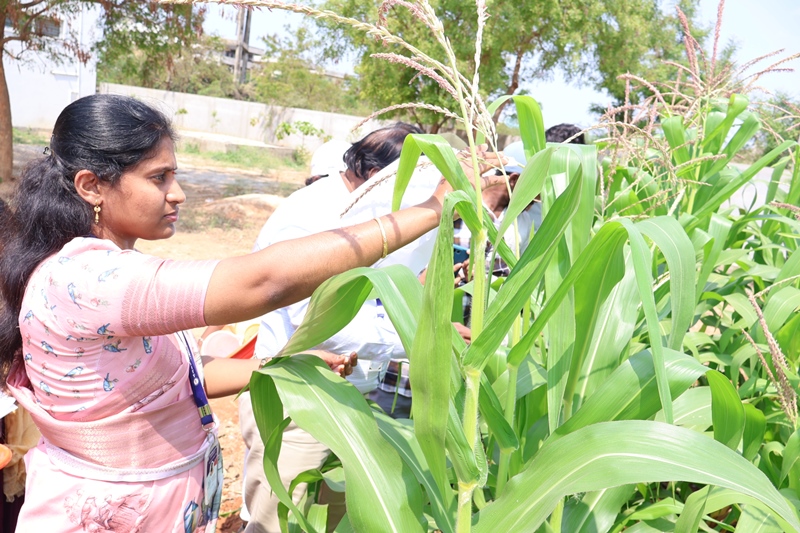
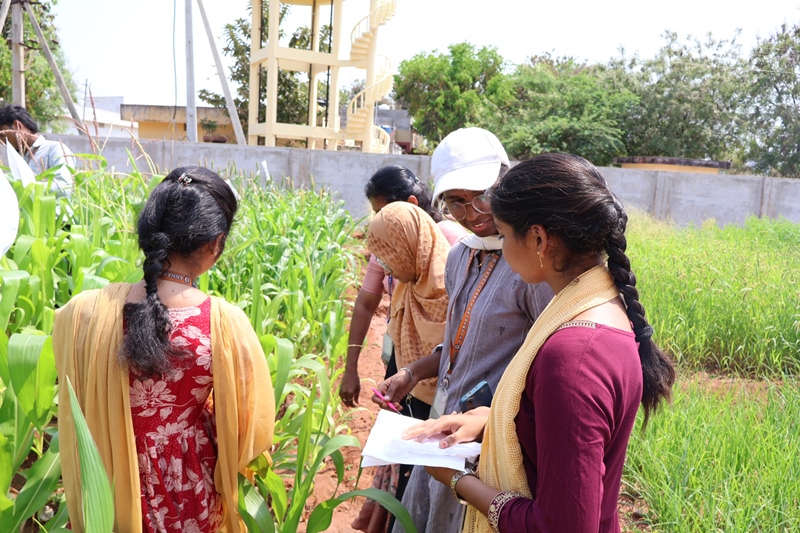
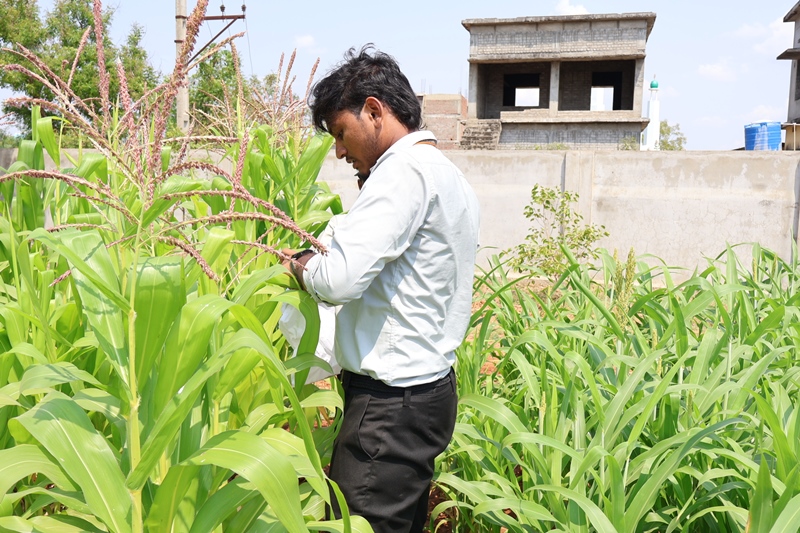
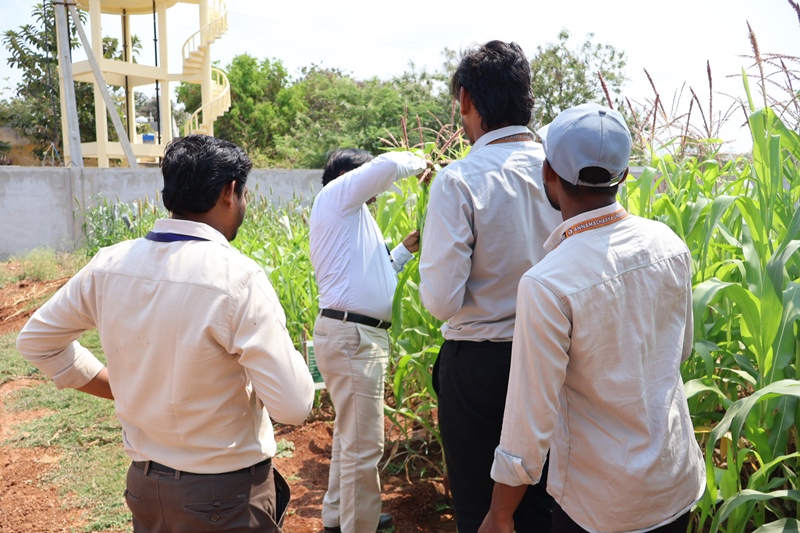
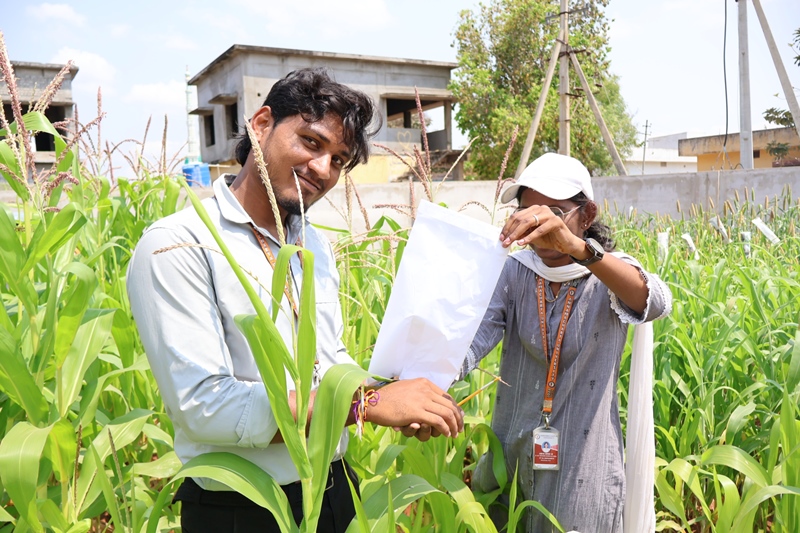
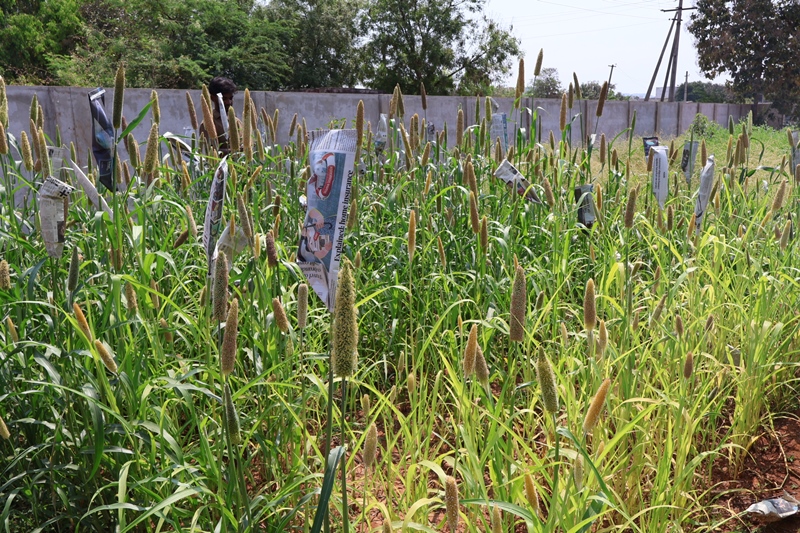
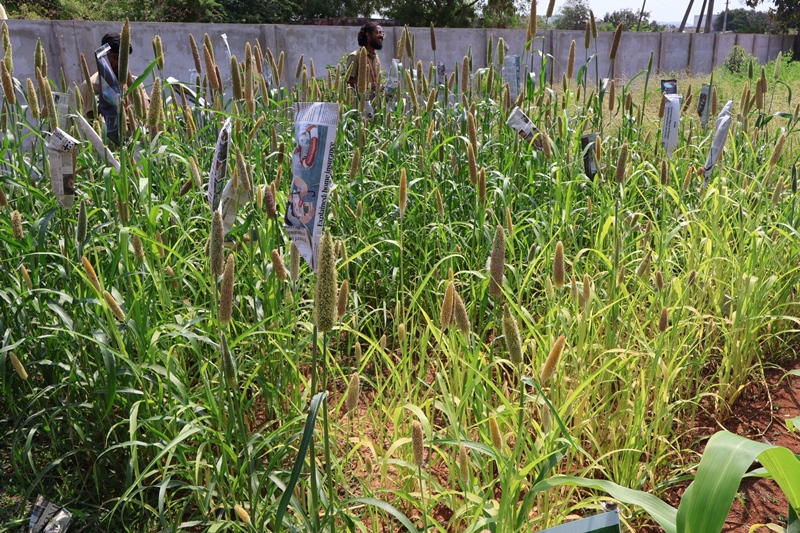
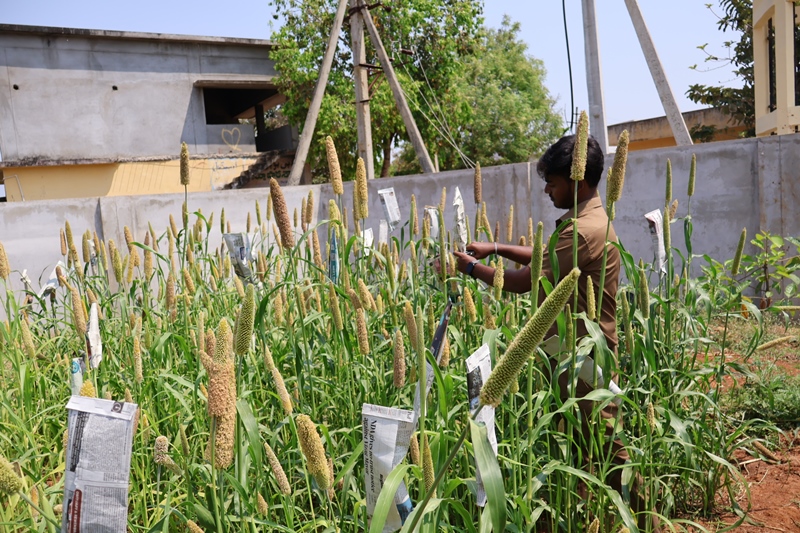
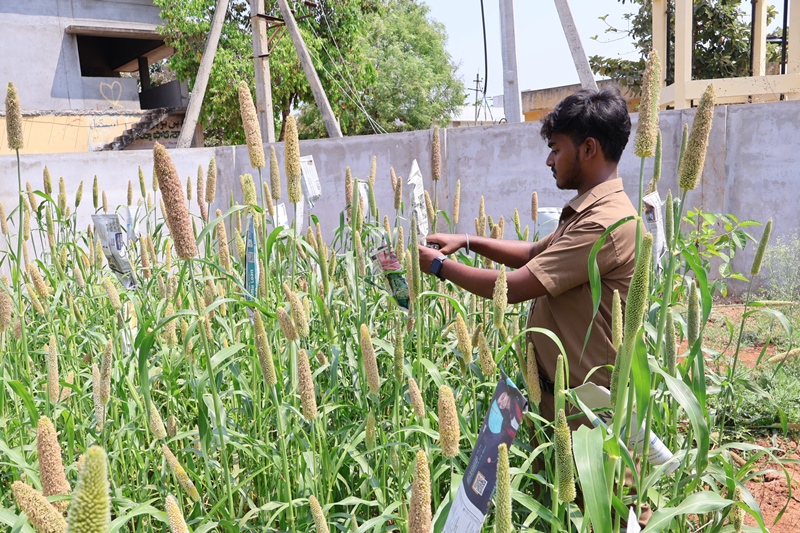
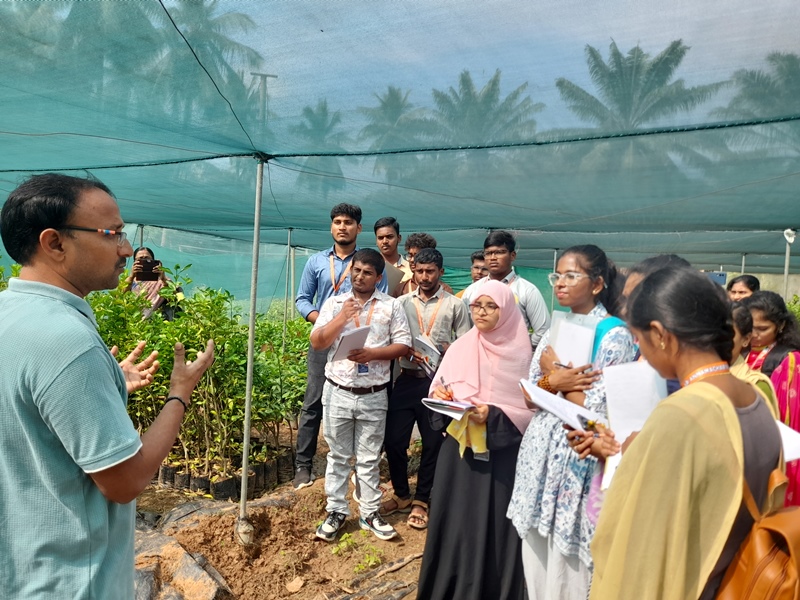
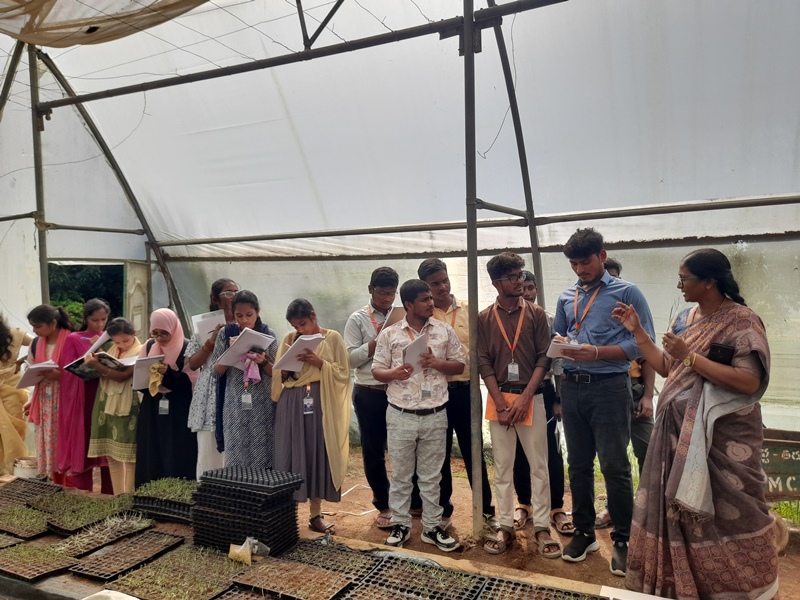
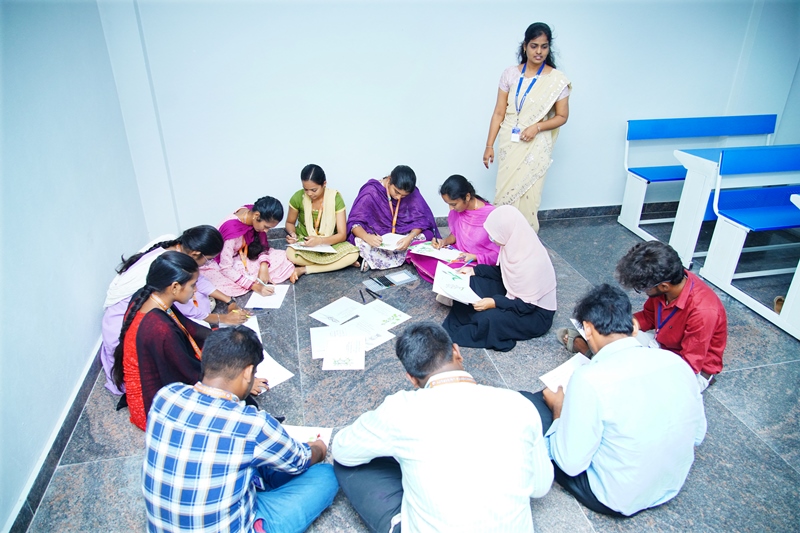
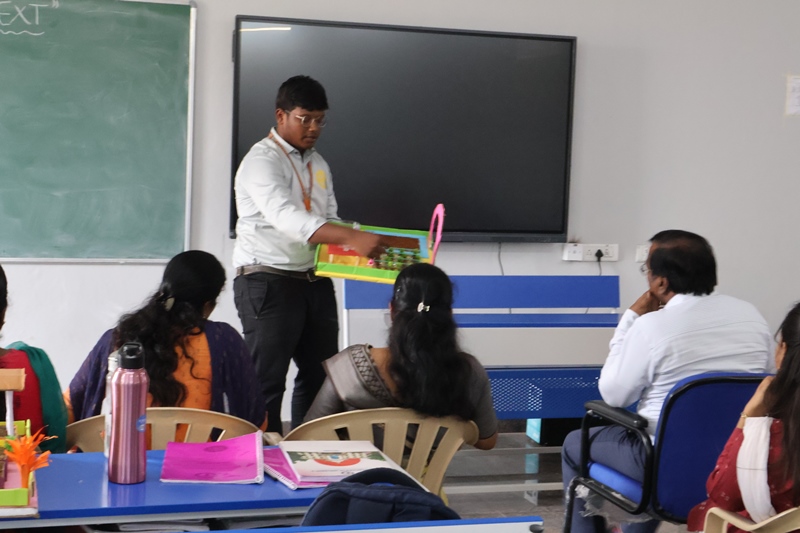
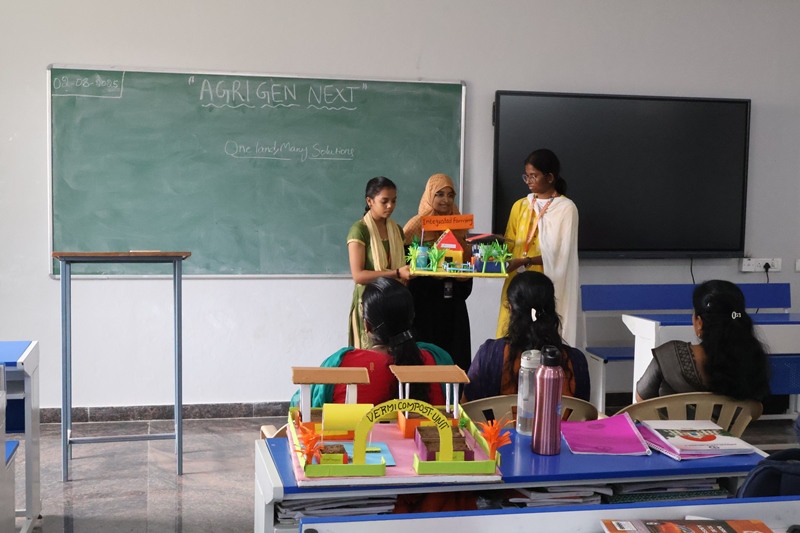
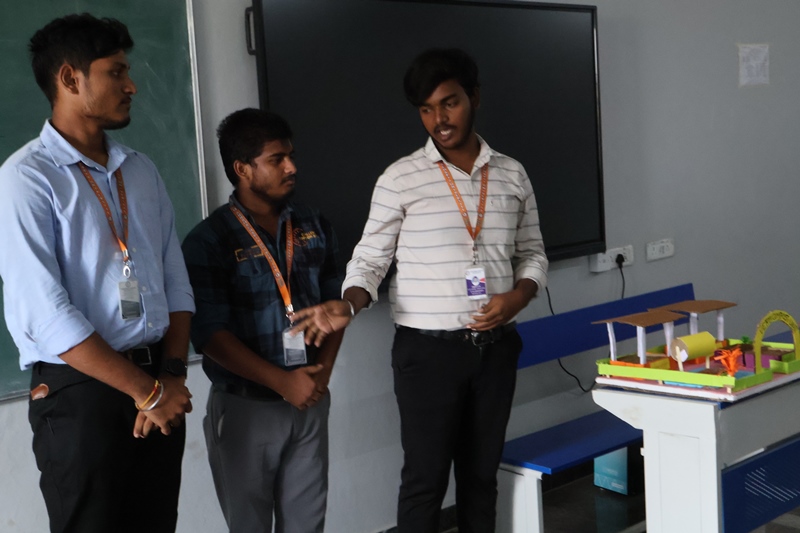
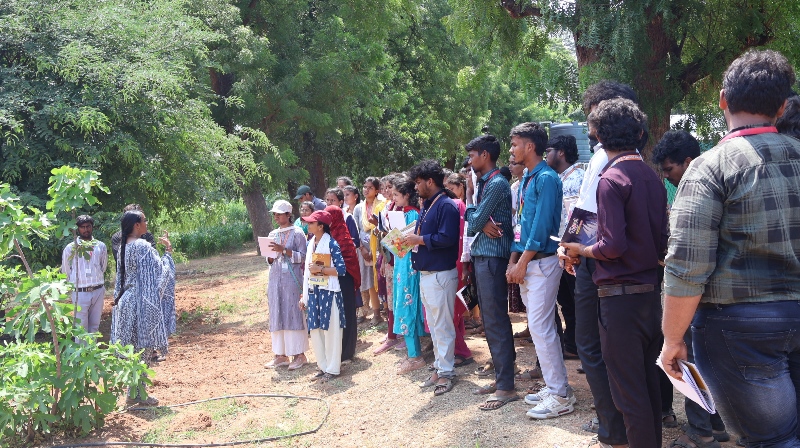
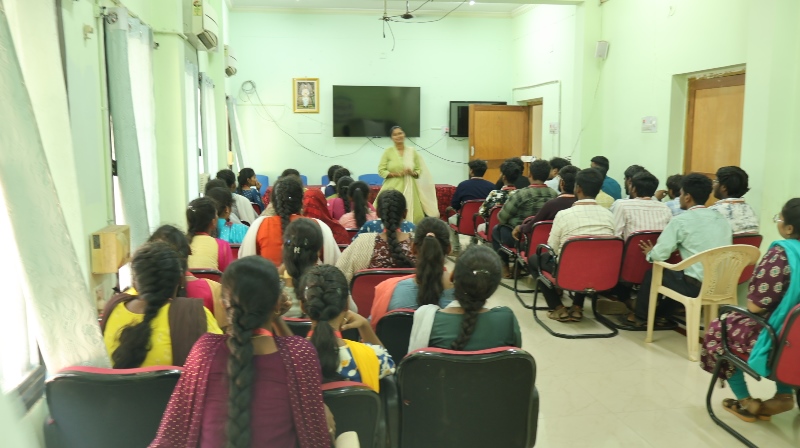
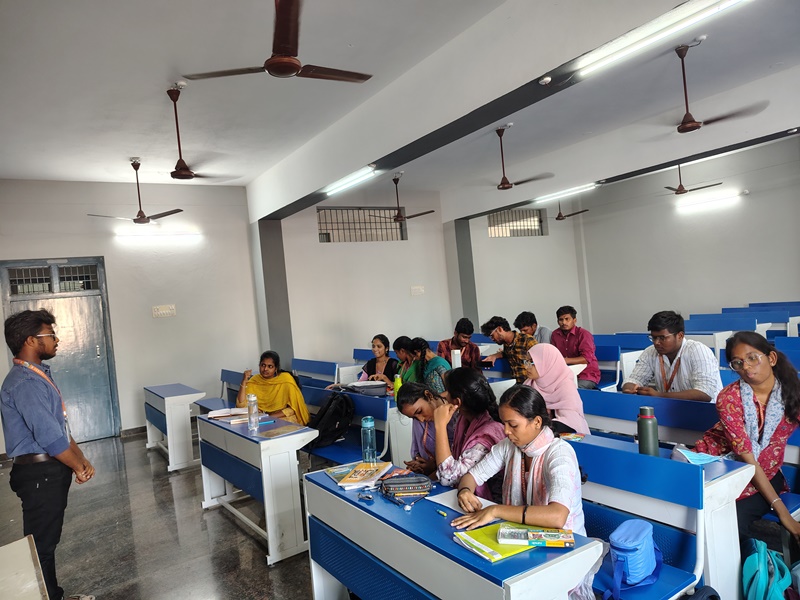
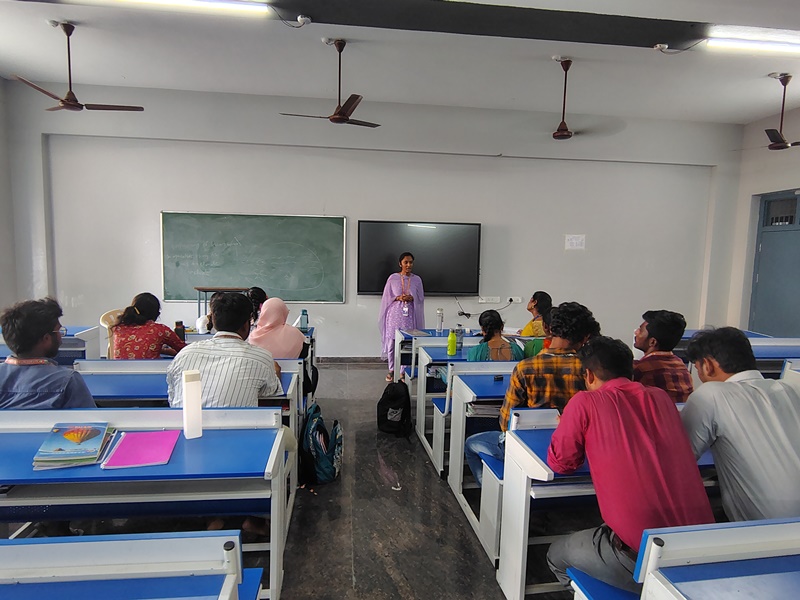
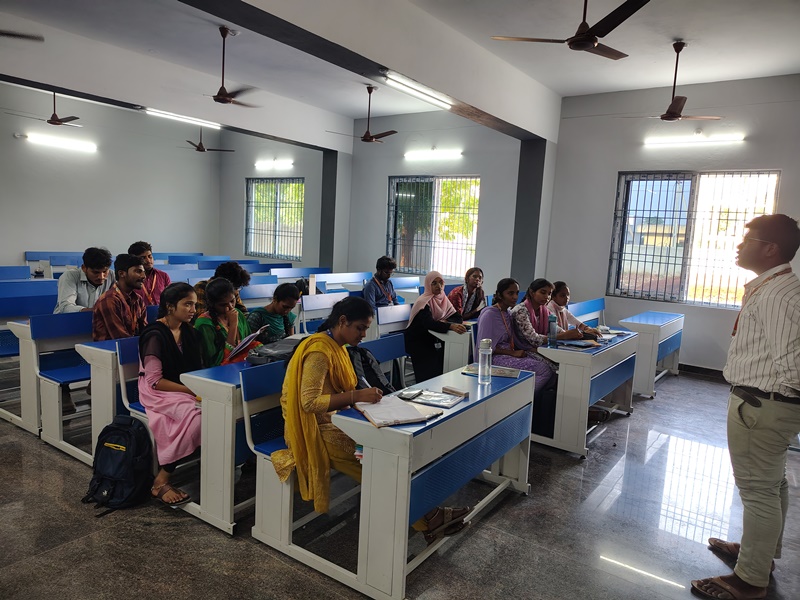
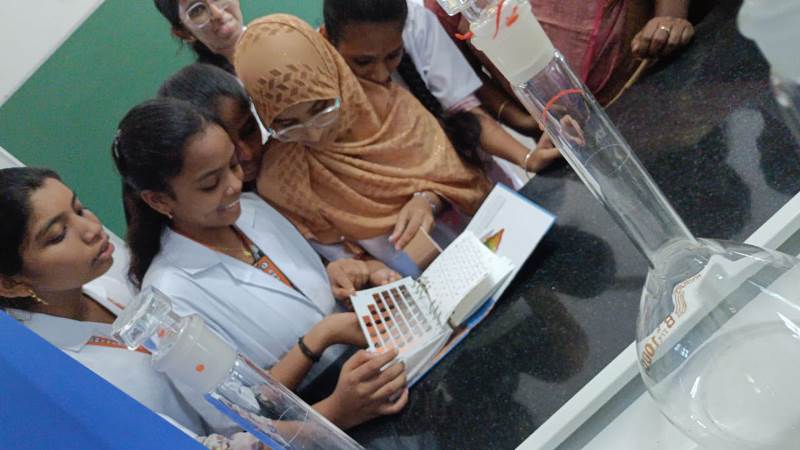
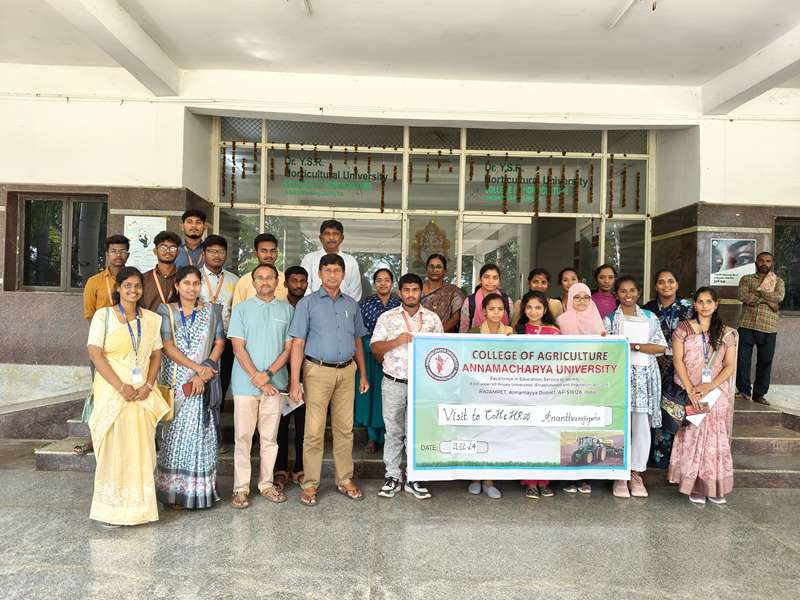
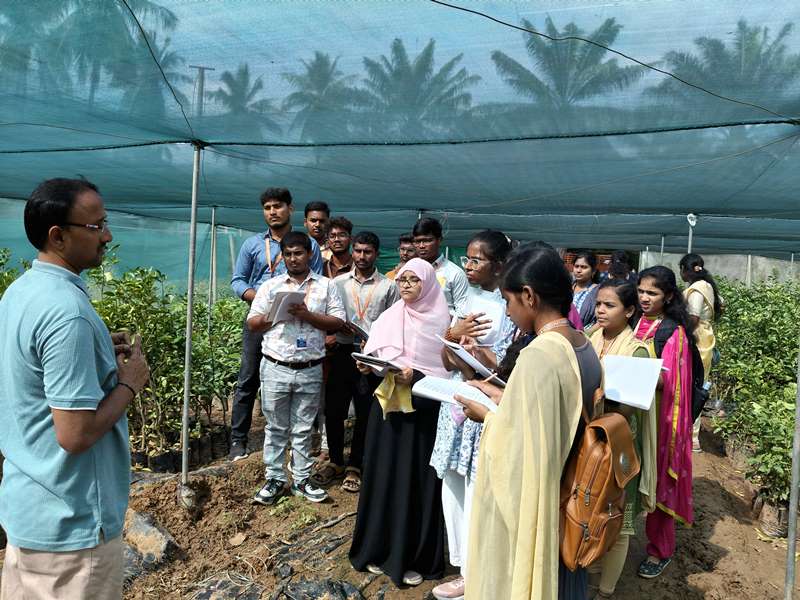
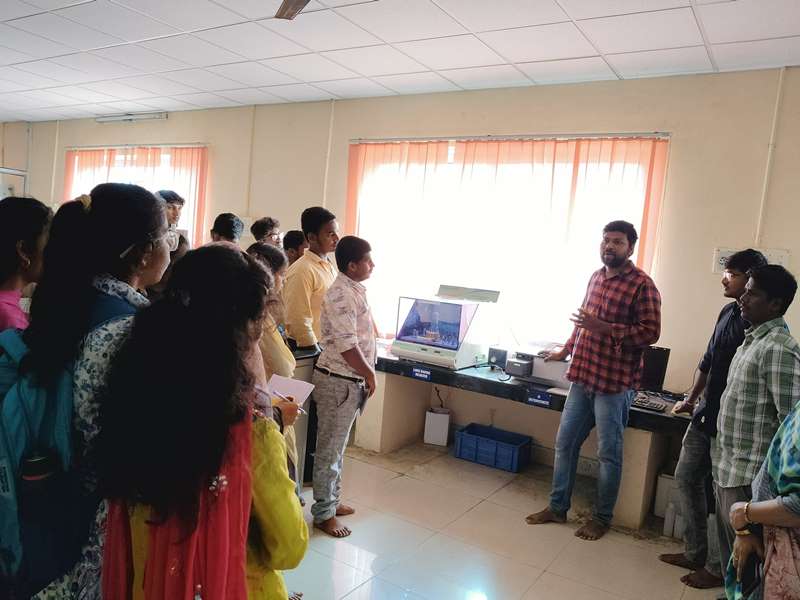
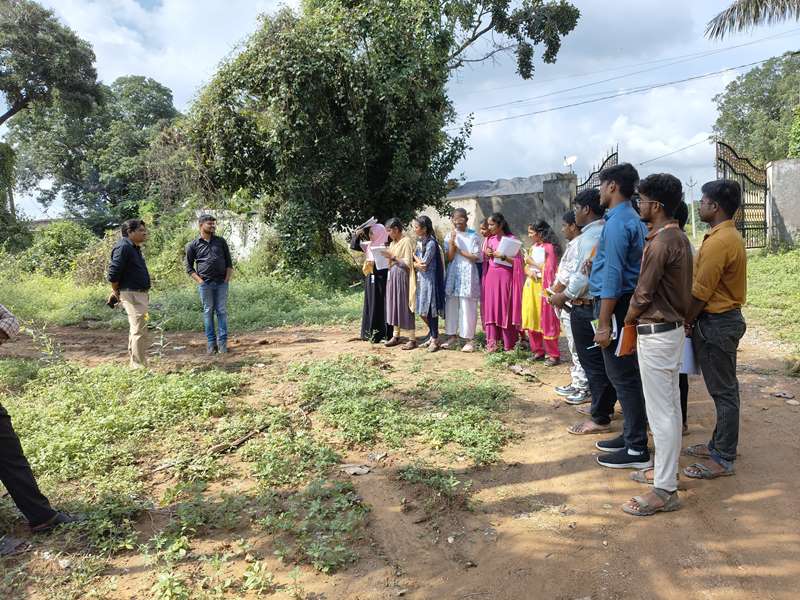
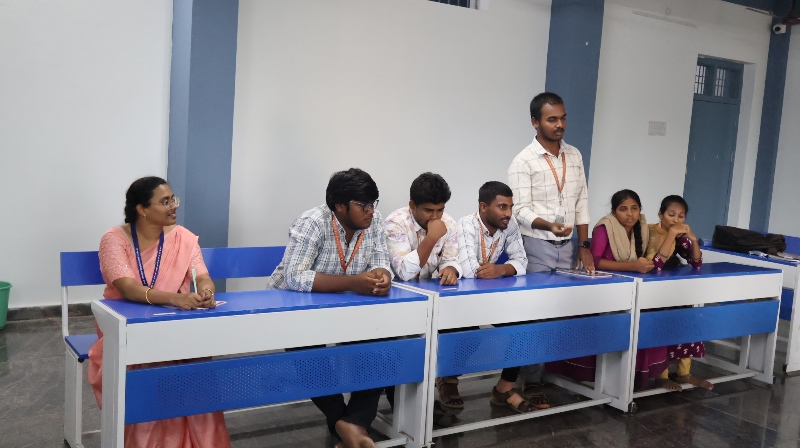
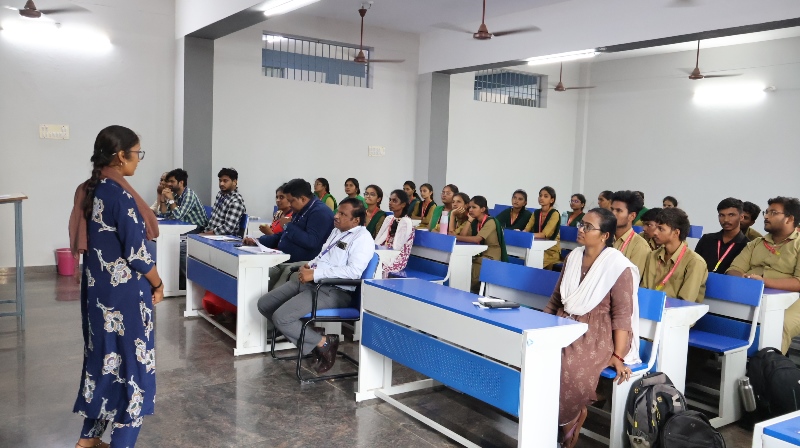
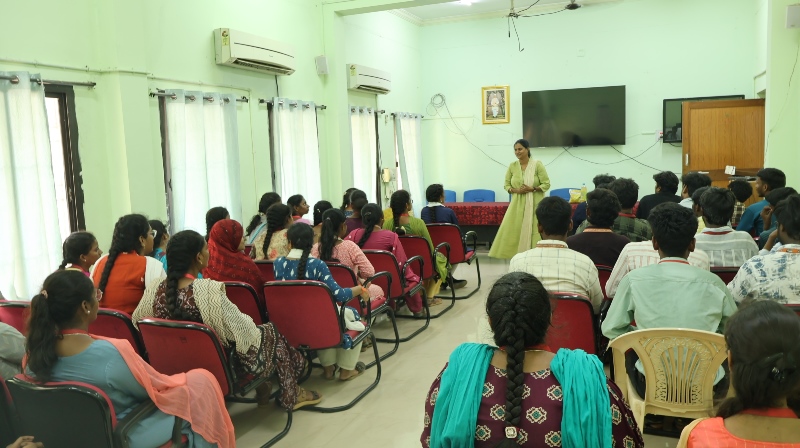
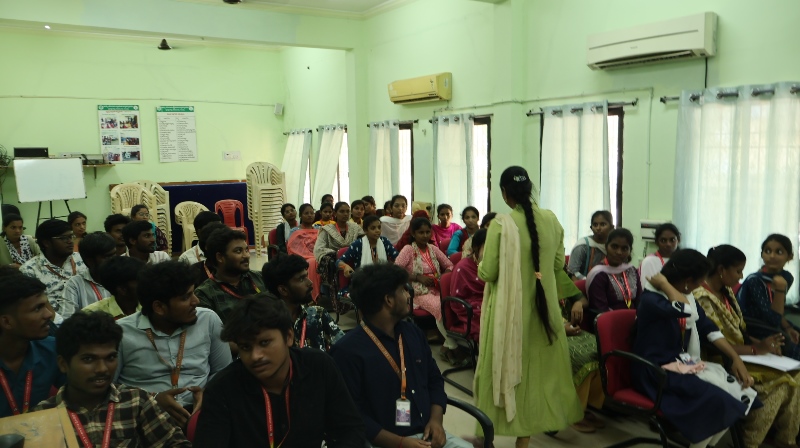
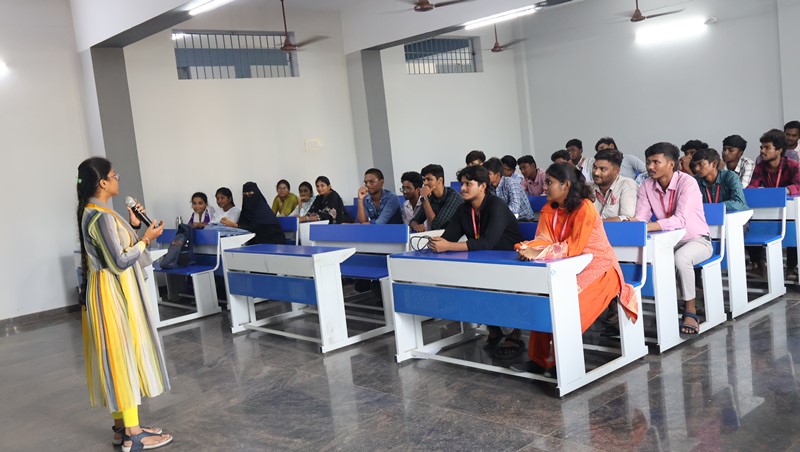
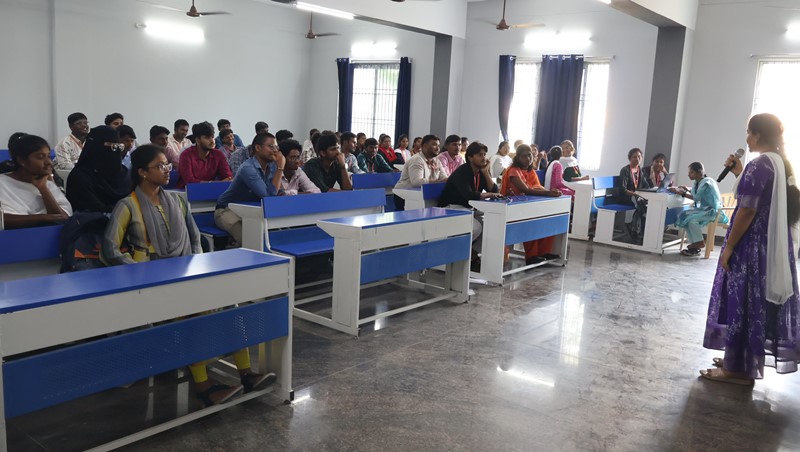
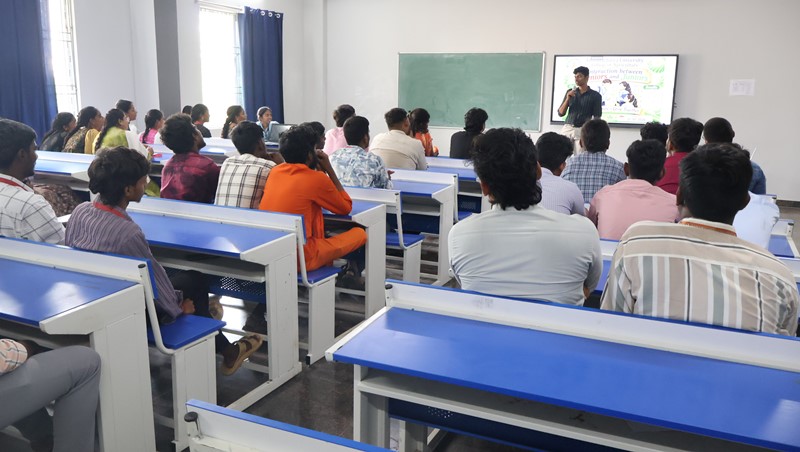
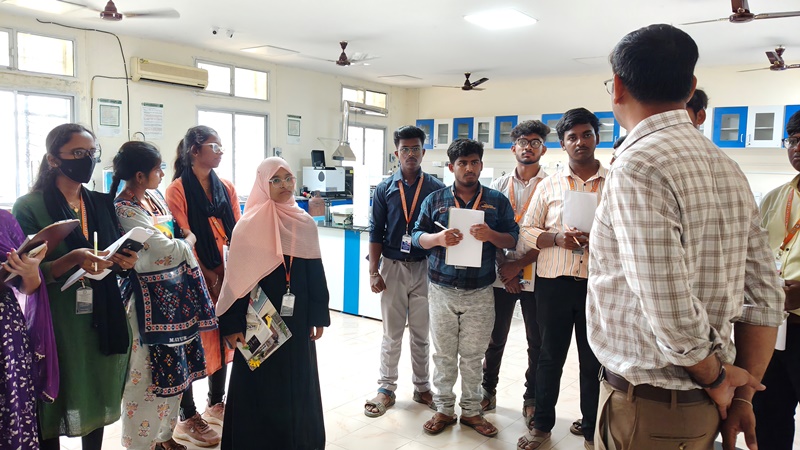
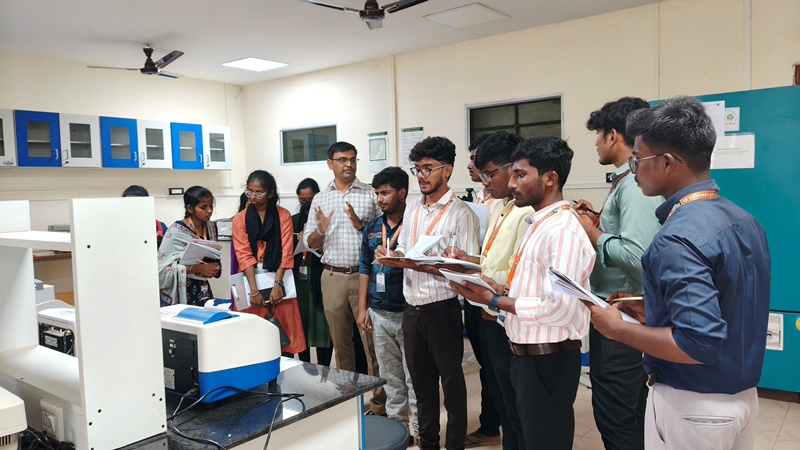
Agronomy is a fundamental discipline of agricultural sciences concerned with the study of field crops and soils, with emphasis on scientific principles and practices for enhancing crop productivity, maintaining soil fertility, and ensuring sustainable agricultural systems. In the B.Sc. (Hons.) Agriculture programme, agronomy holds central importance as it provides students with both theoretical knowledge and practical skills required for efficient crop and resource management. The Department facilitates experiential learning through field visits to diverse agro-climatic zones, enabling students to understand region-specific cropping systems and management practices. Moreover, students are systematically trained in all stages of crop production—from sowing to harvesting—thereby gaining practical competence and professional proficiency essential for addressing the challenges of modern agriculture.
DEPARTMENT OF SOIL SCEINCE
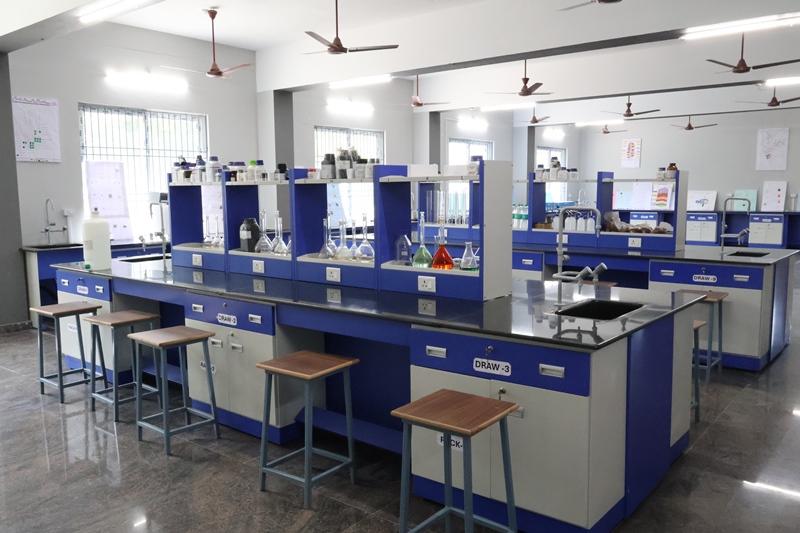
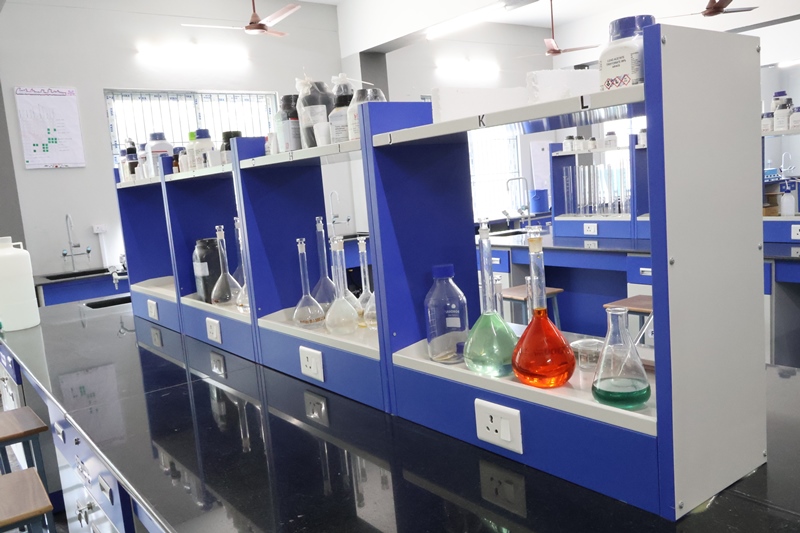
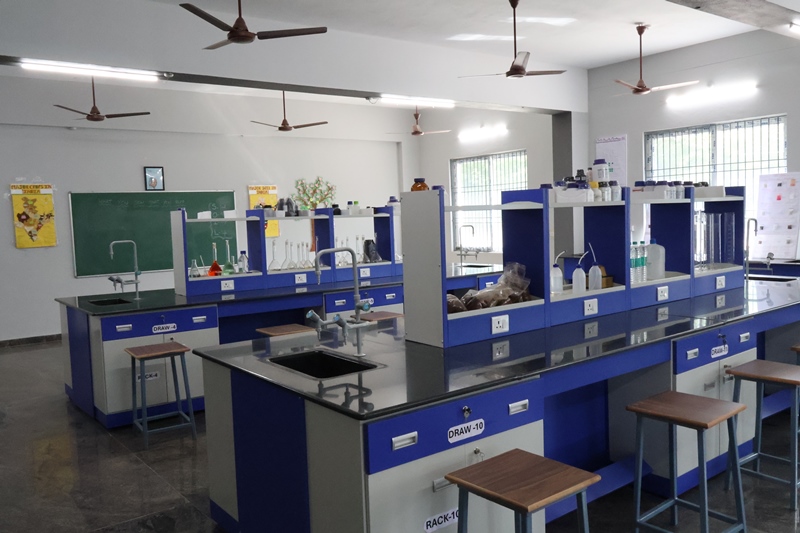
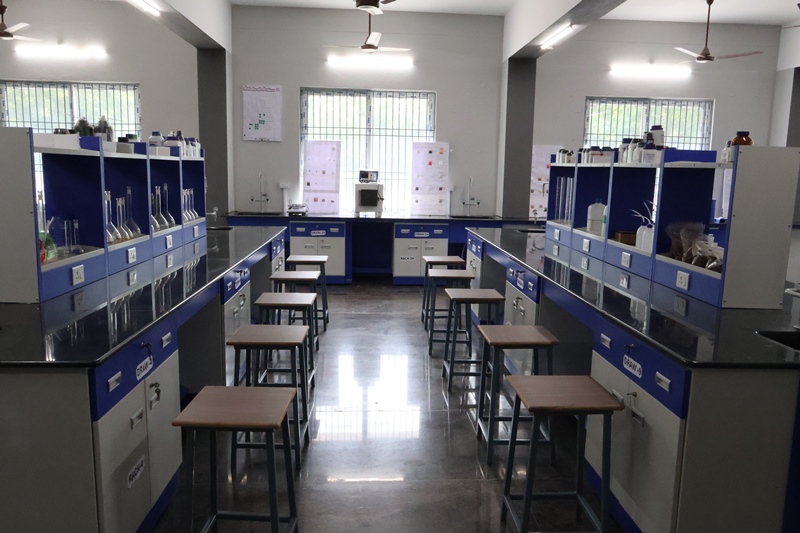
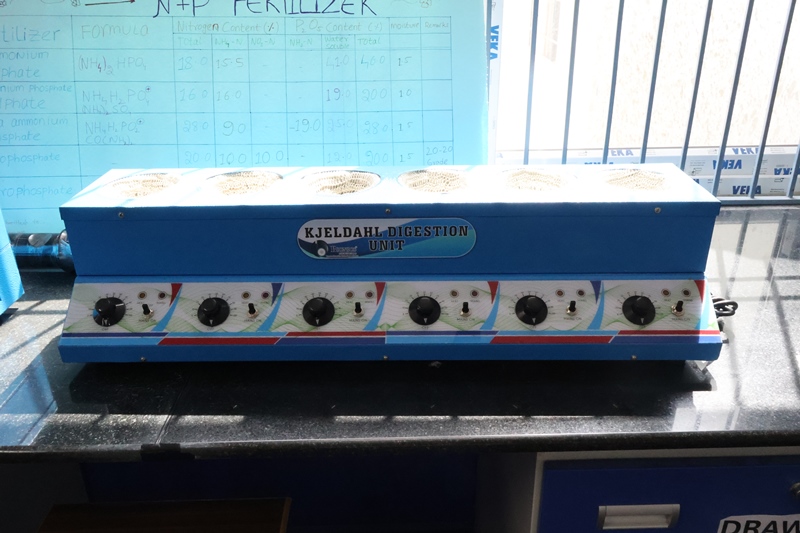
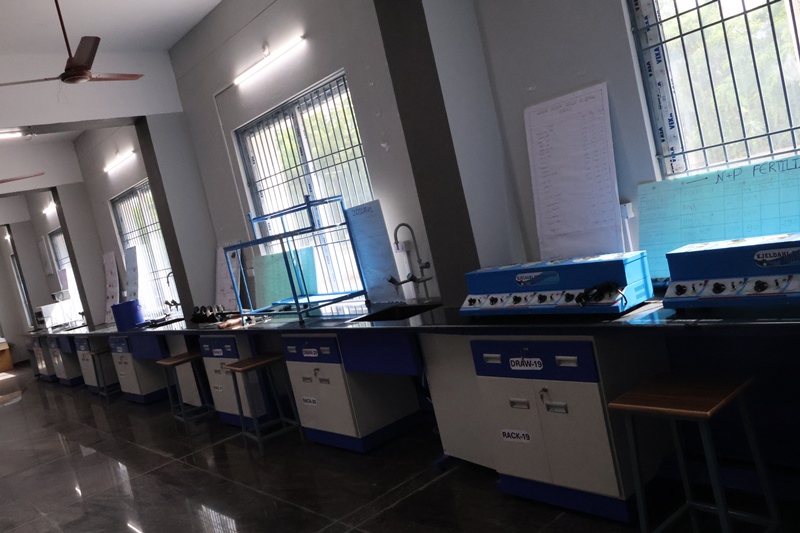
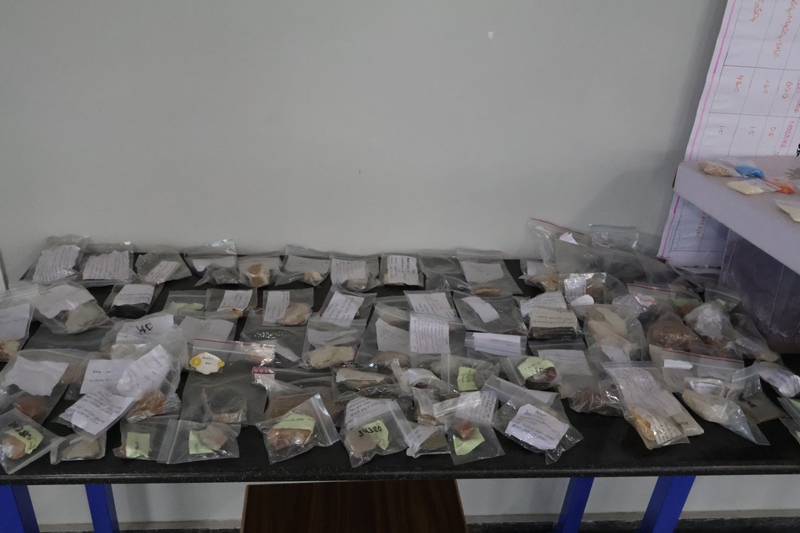
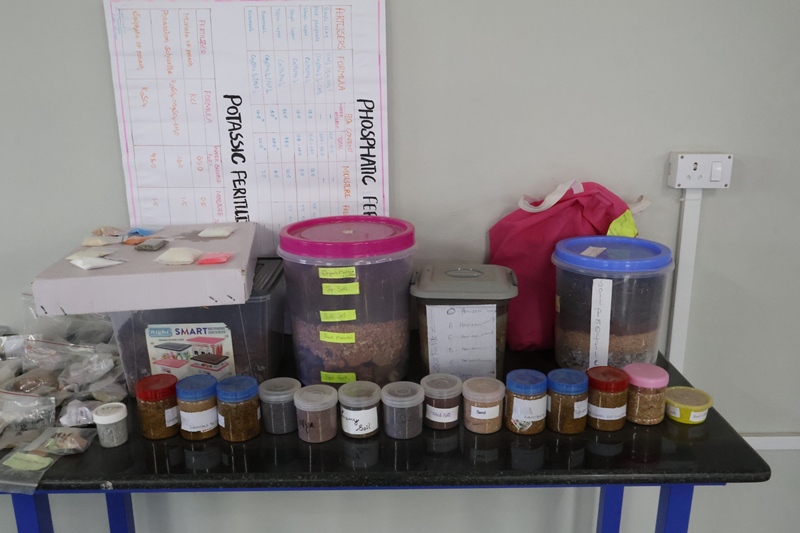
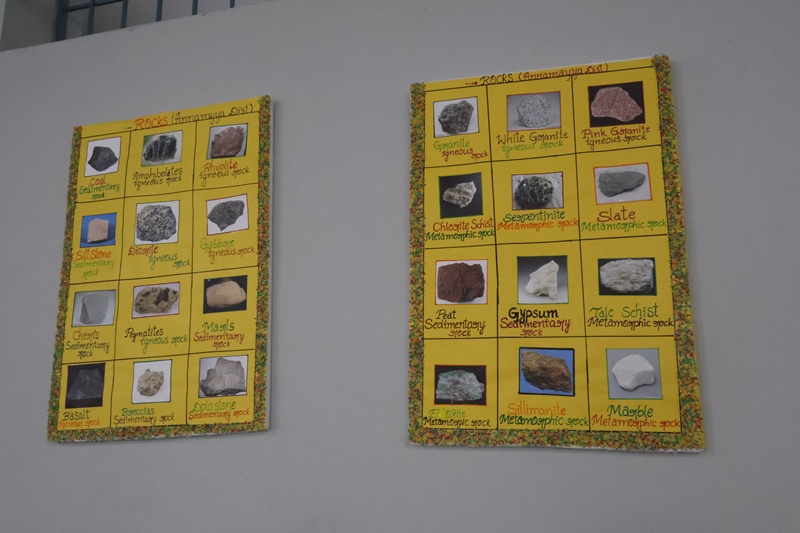
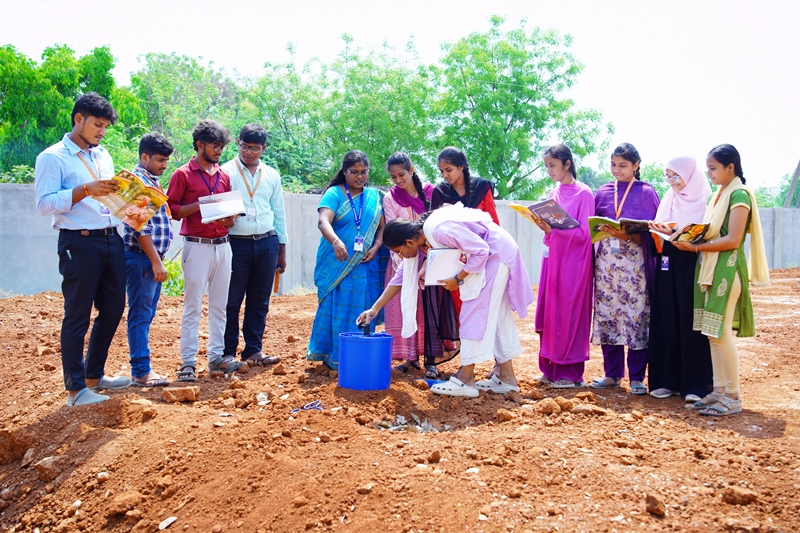
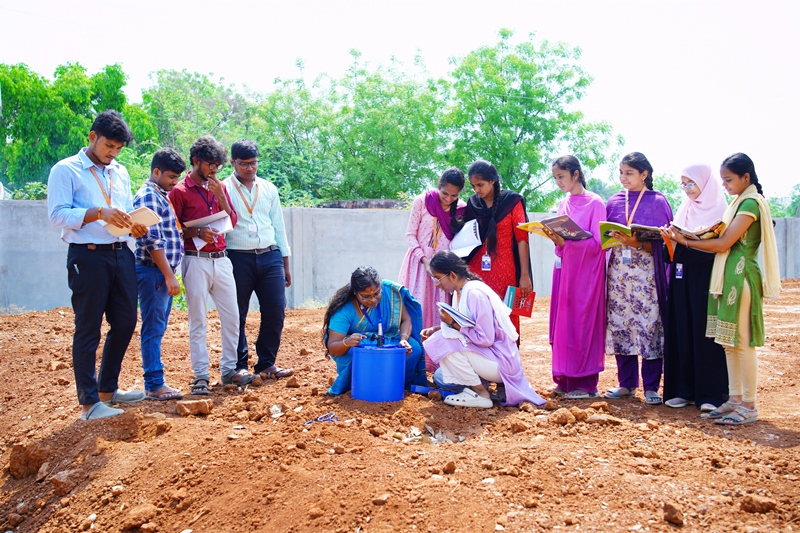
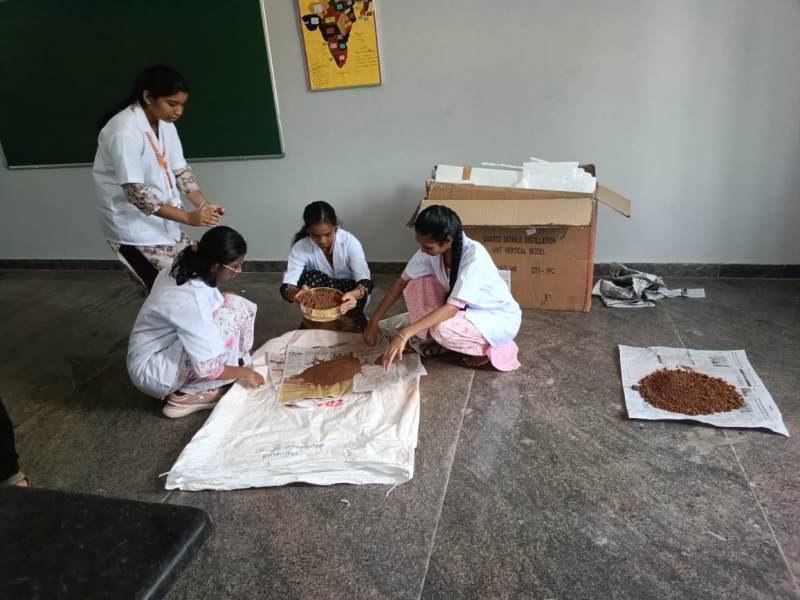
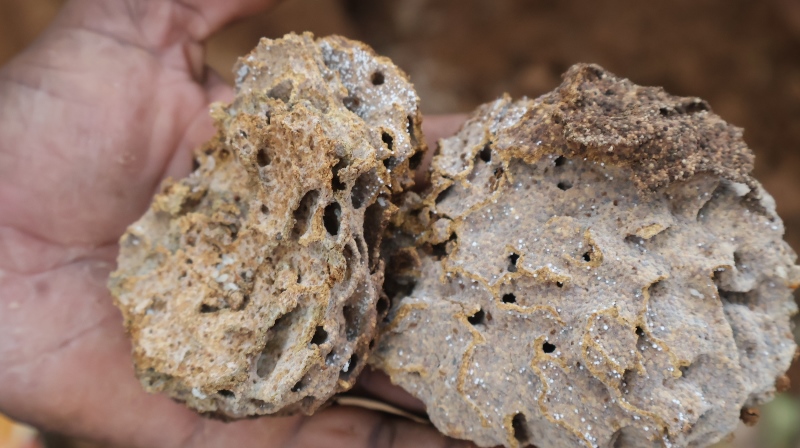
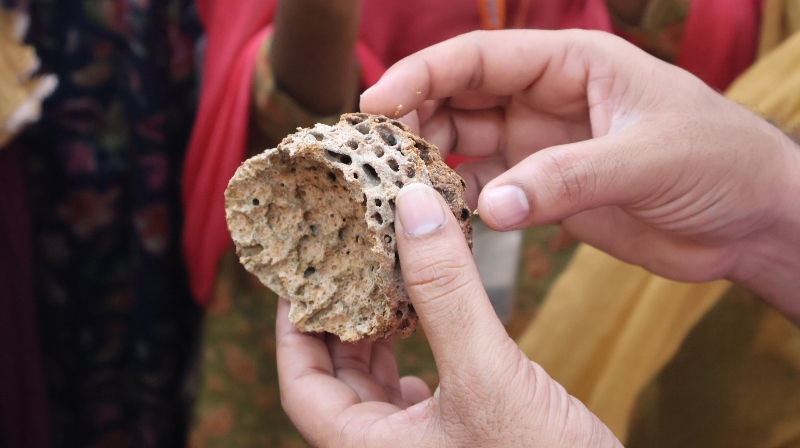
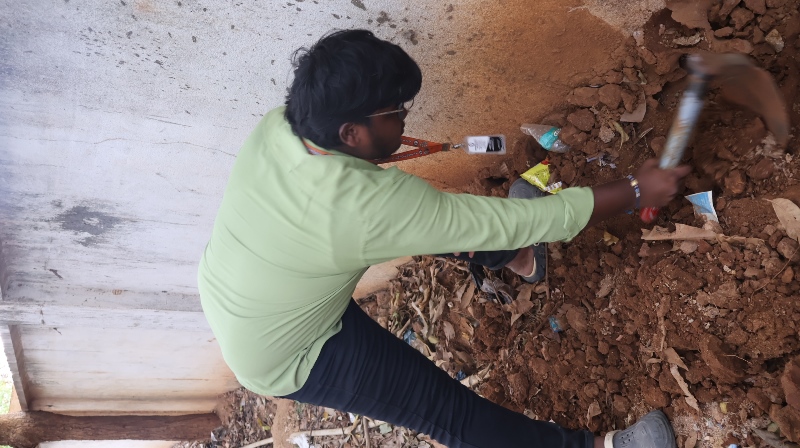
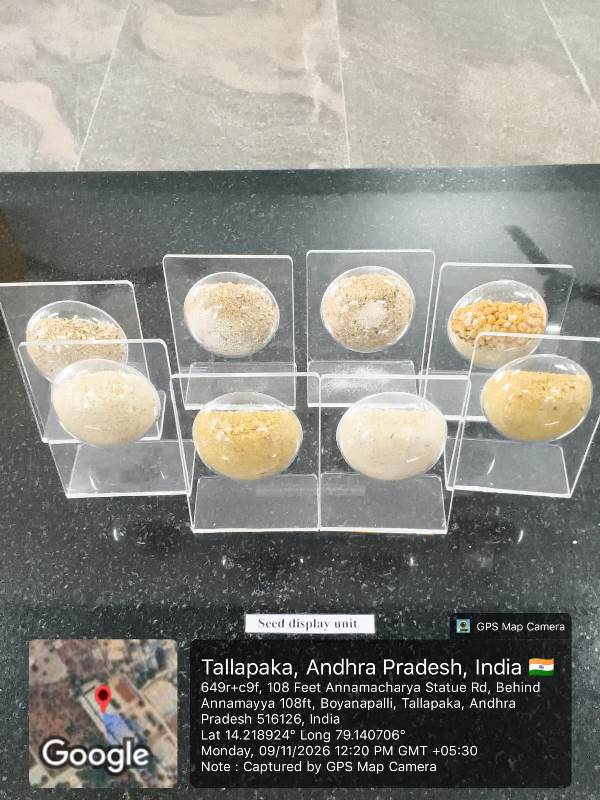
Soil Science is a core branch of agricultural sciences that deals with the study of soil as a natural resource, focusing on its formation, classification, physical, chemical, and biological properties, and its role in sustaining crop production. In the B.Sc. (Hons.) Agriculture programme, soil science is of vital importance as it equips students with knowledge and skills related to soil fertility management, nutrient cycling, conservation practices, and sustainable use of land resources. The Department emphasizes practical learning through field visits to different agro-climatic zones, where students gain first-hand exposure to diverse soil types and their management under varying cropping systems. In addition, students are systematically trained to analyze soil health, assess fertility status, and adopt scientific management practices, thereby developing professional competence essential for enhancing agricultural productivity and environmental sustainability.
DEPARTMENT OF ENTOMOLOGY
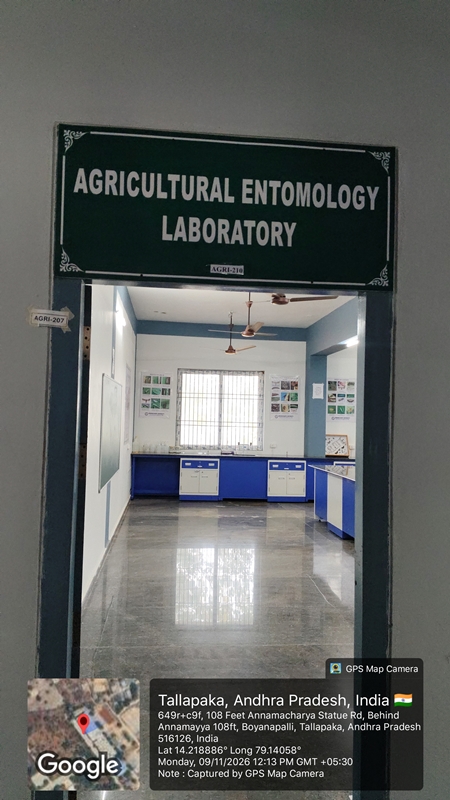
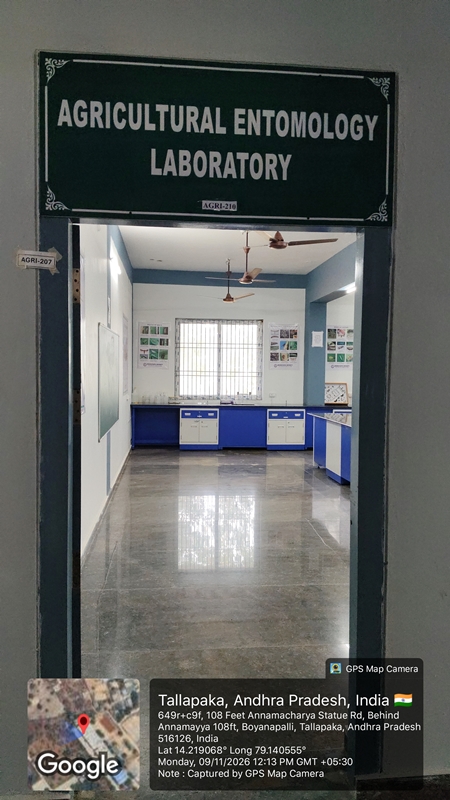
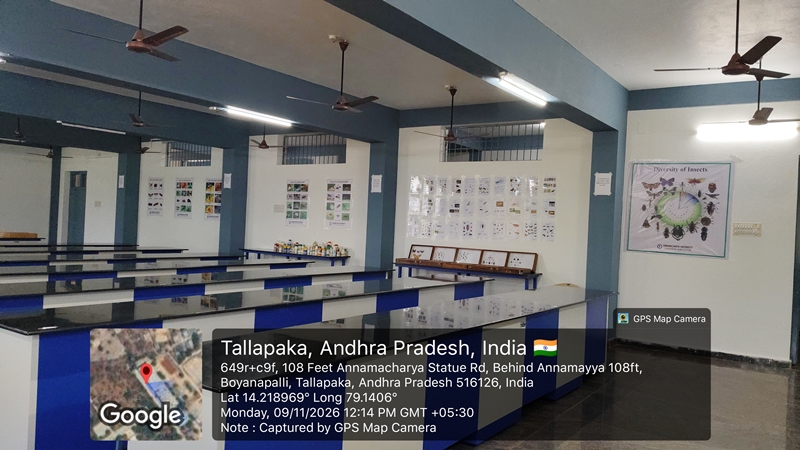
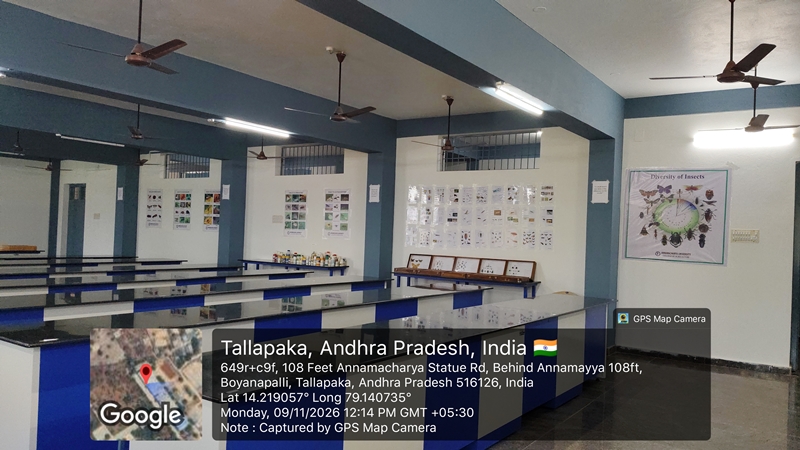
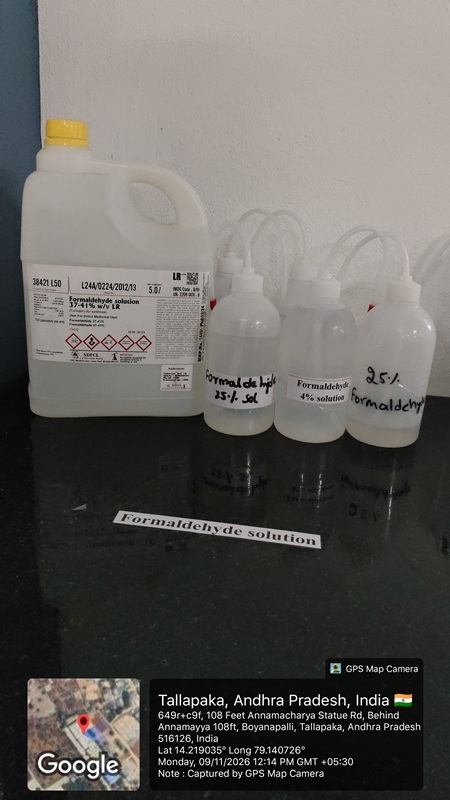
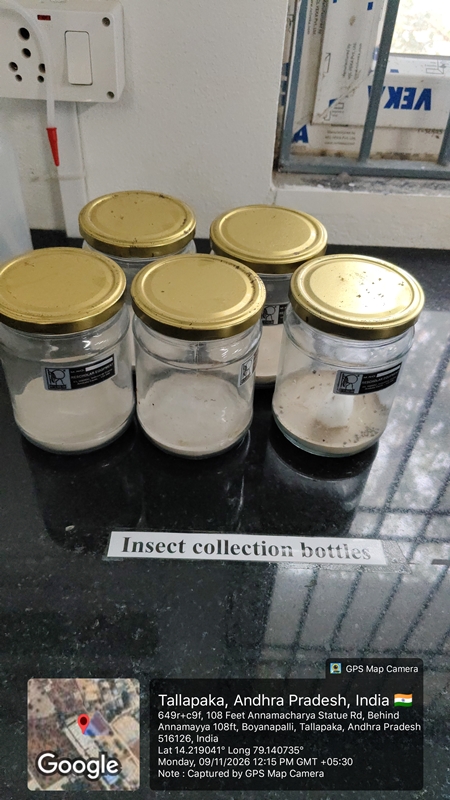
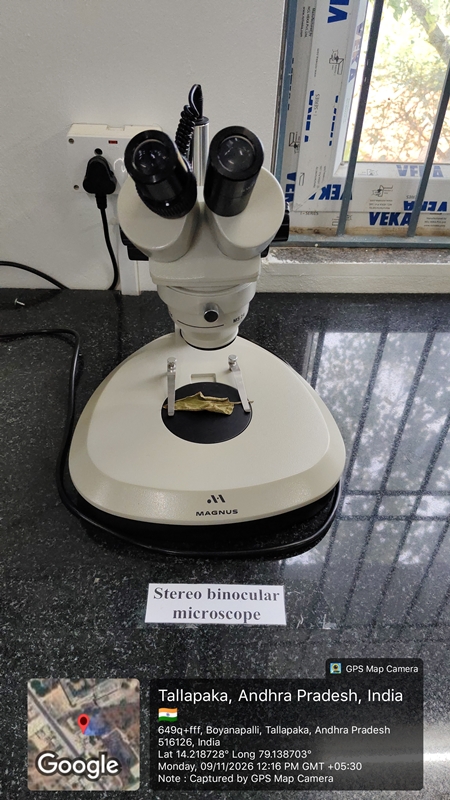
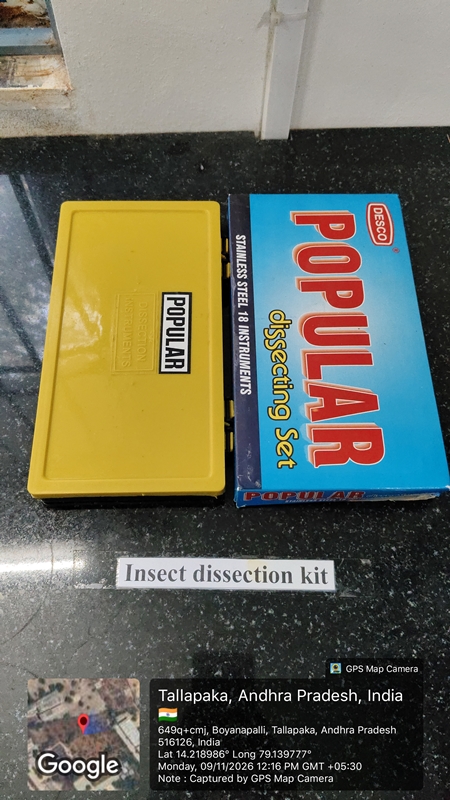
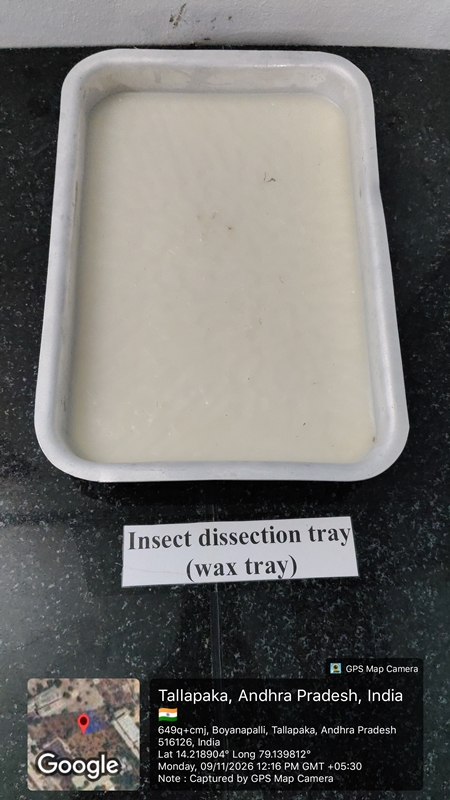
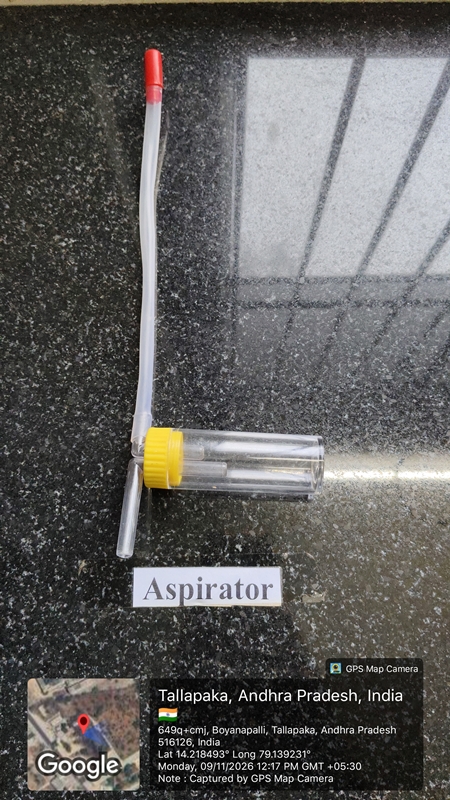
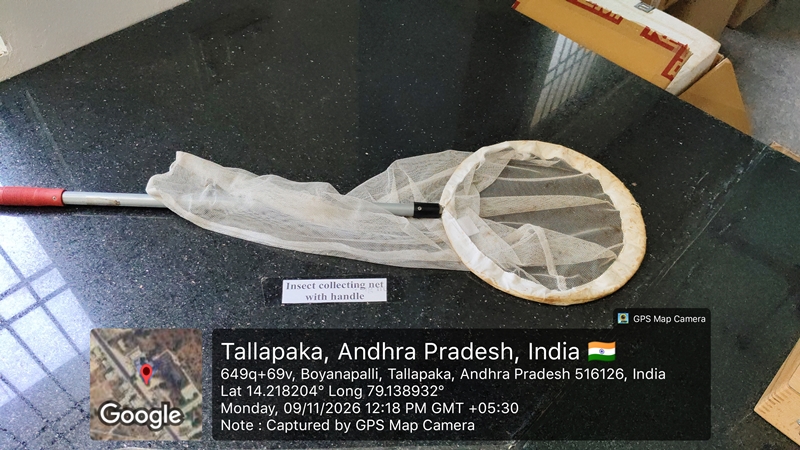
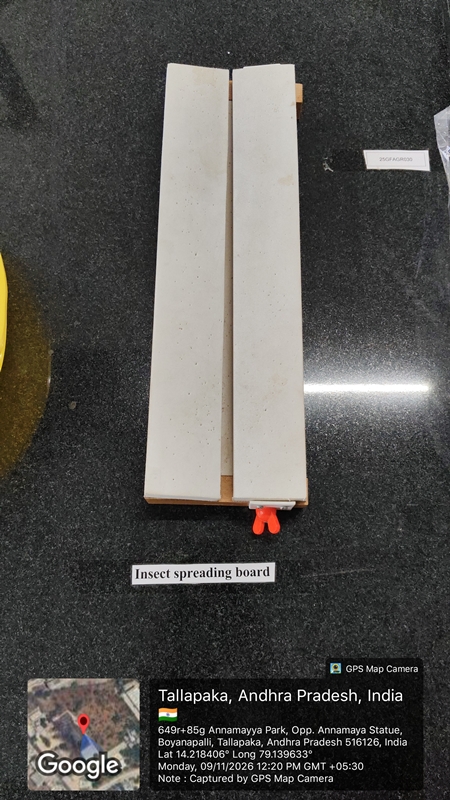
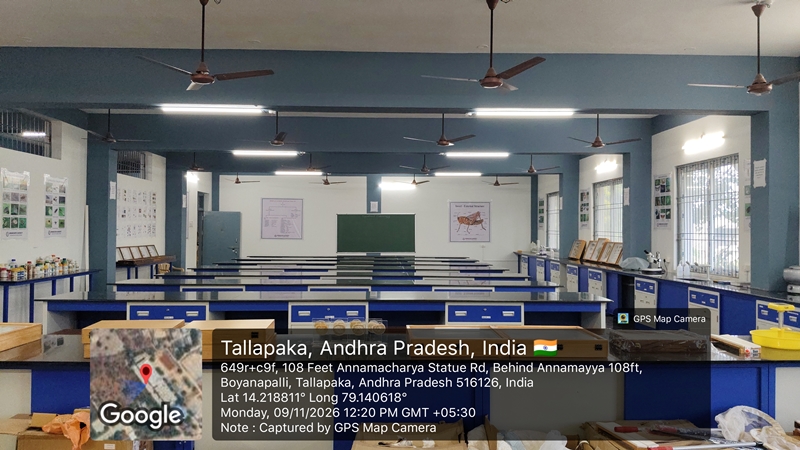
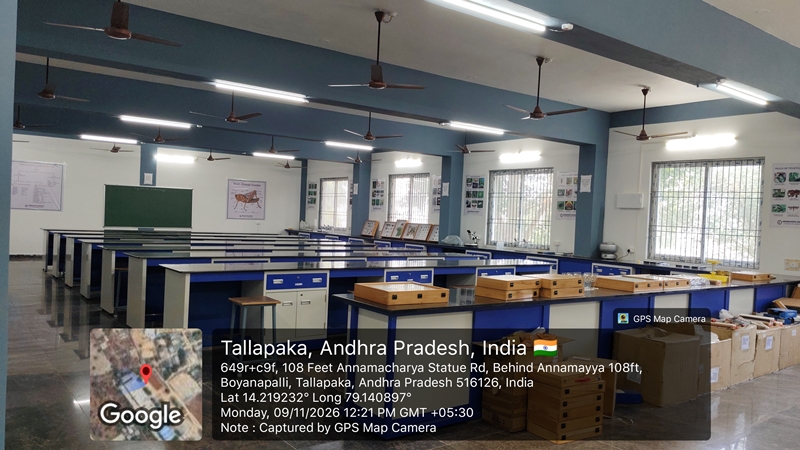
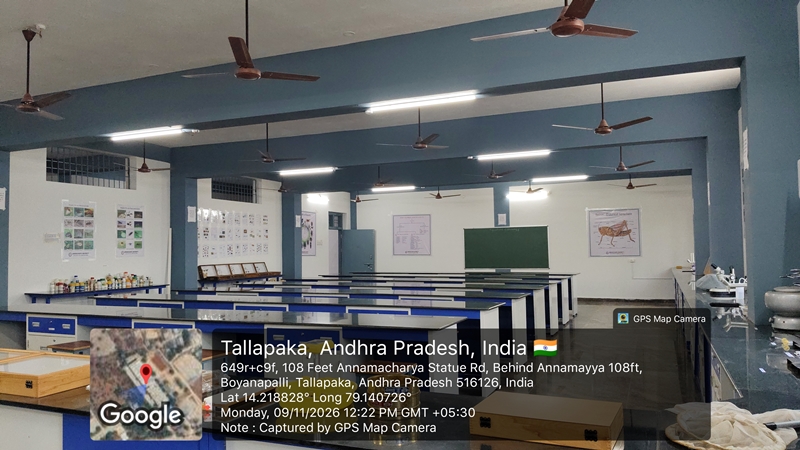
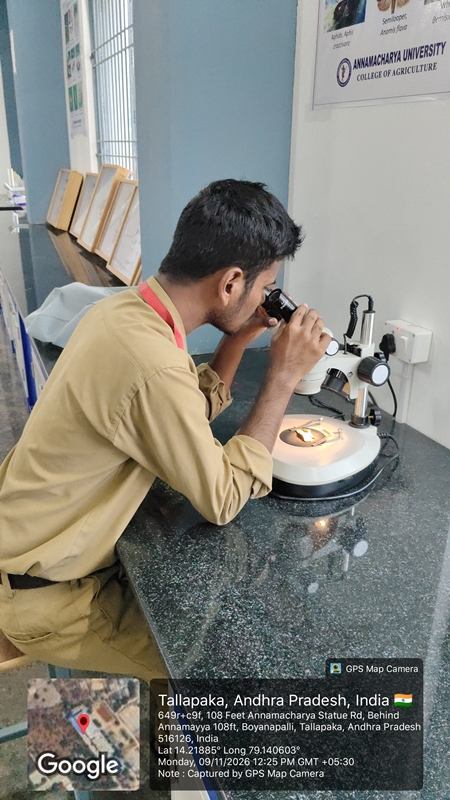
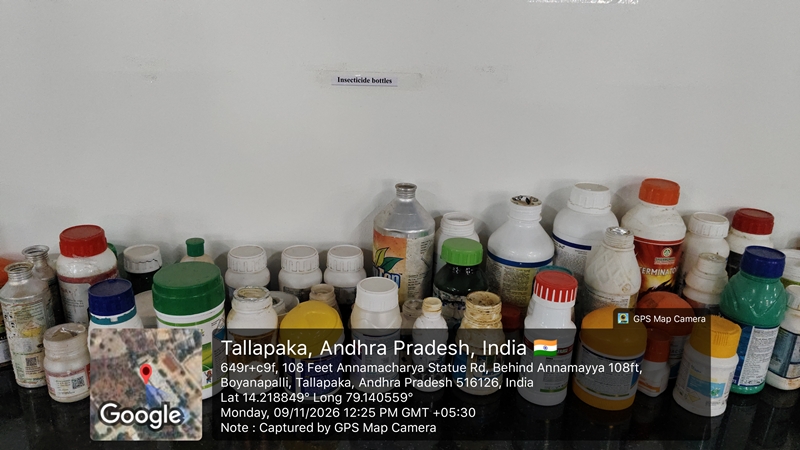
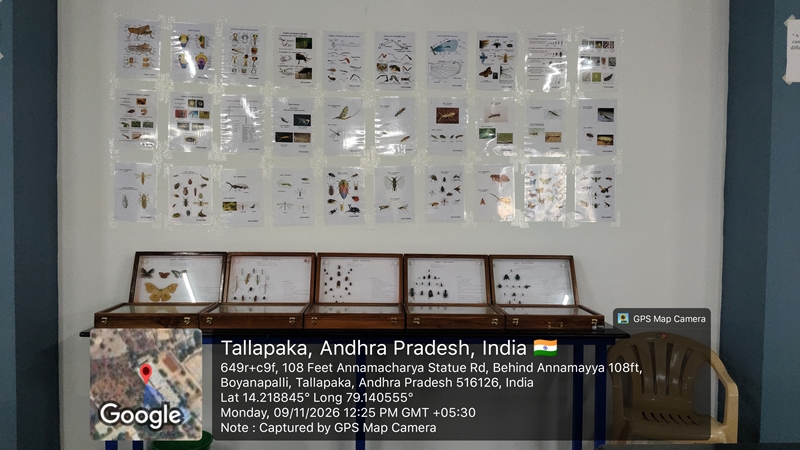
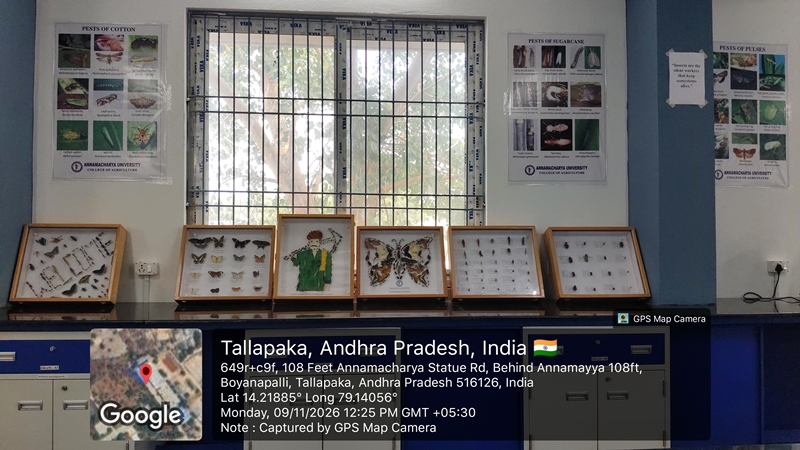
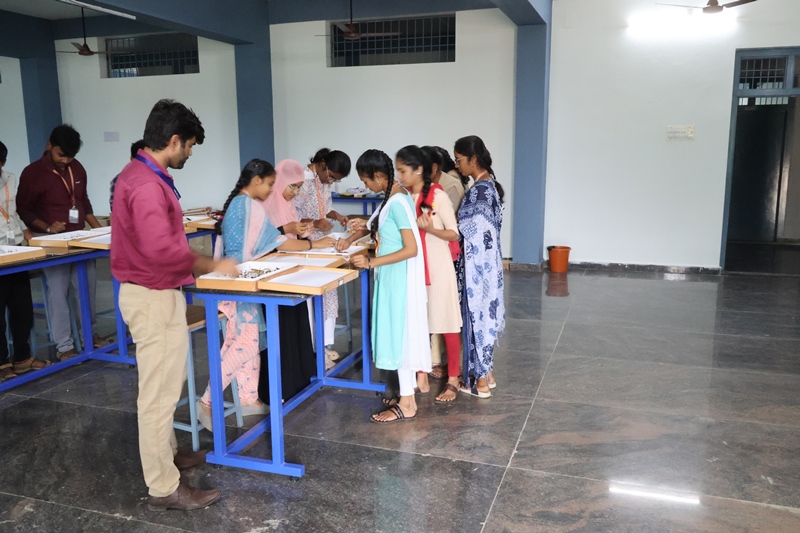
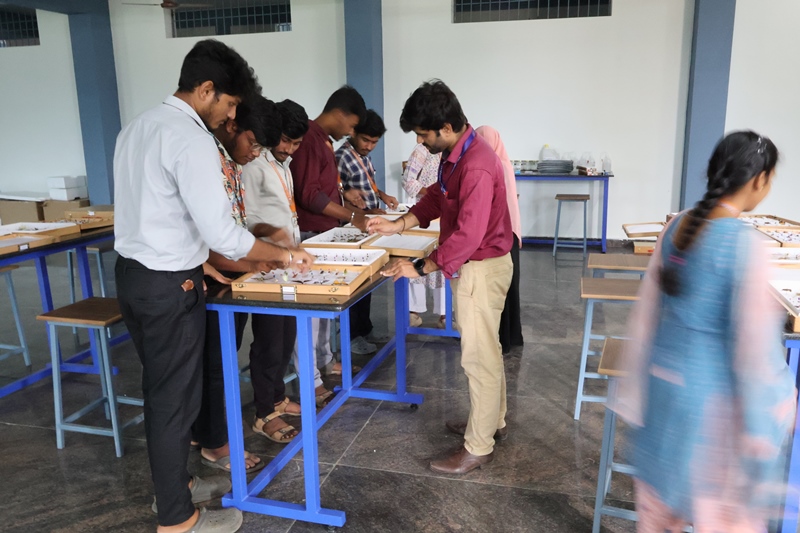
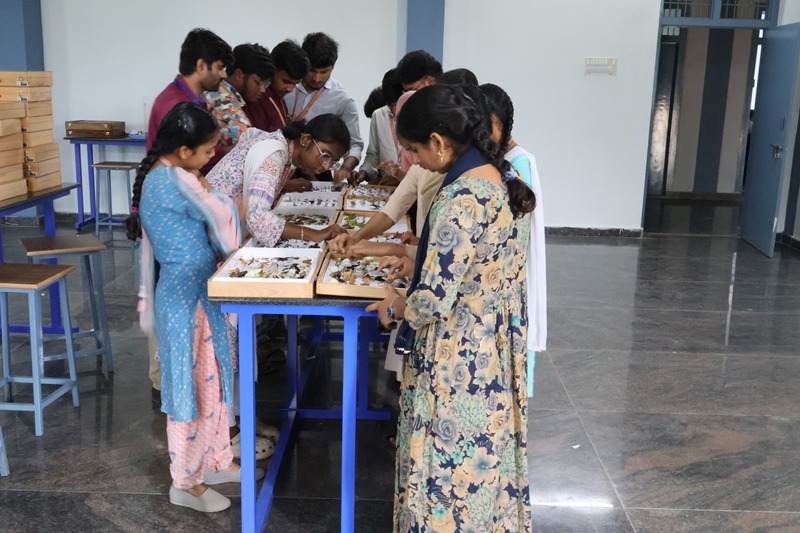
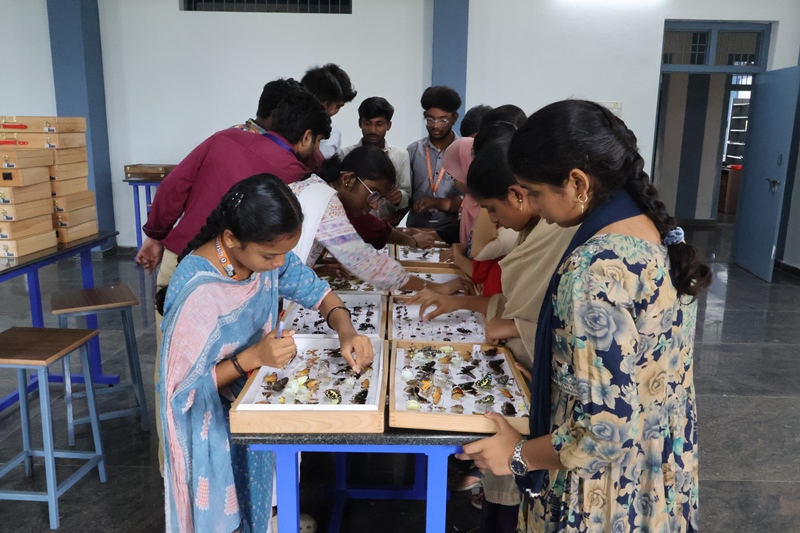
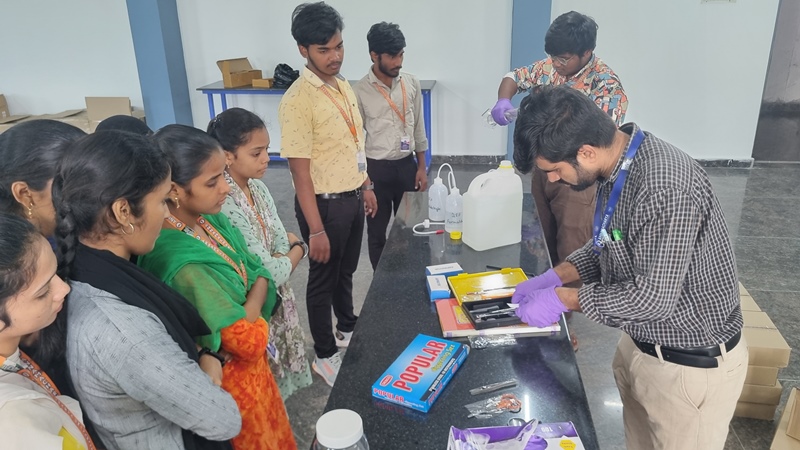
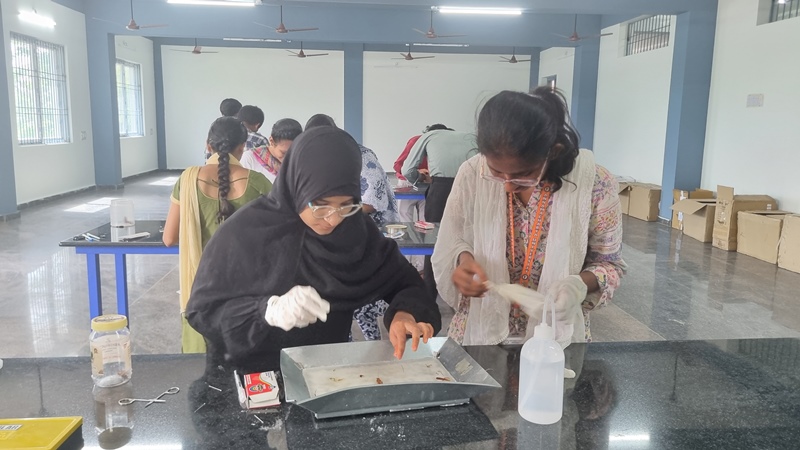
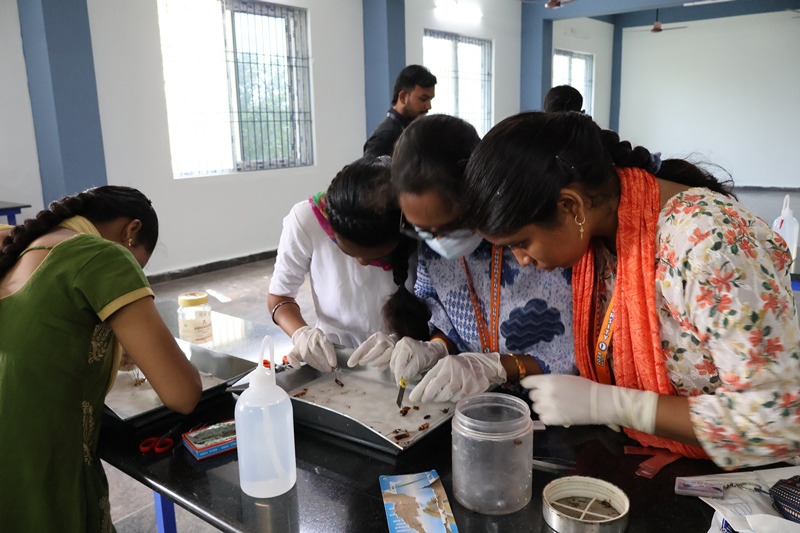
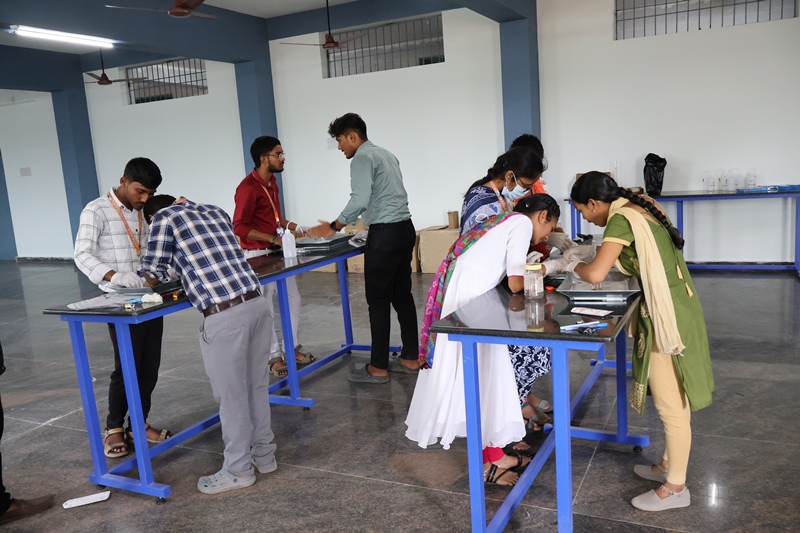
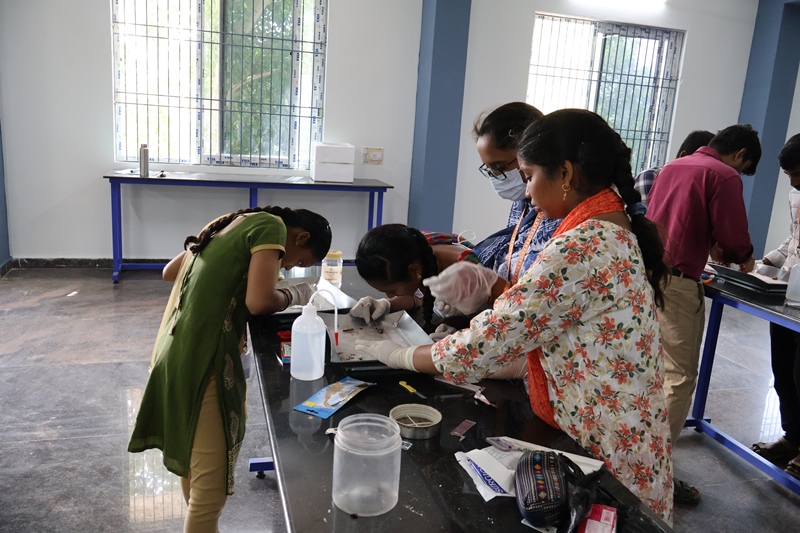
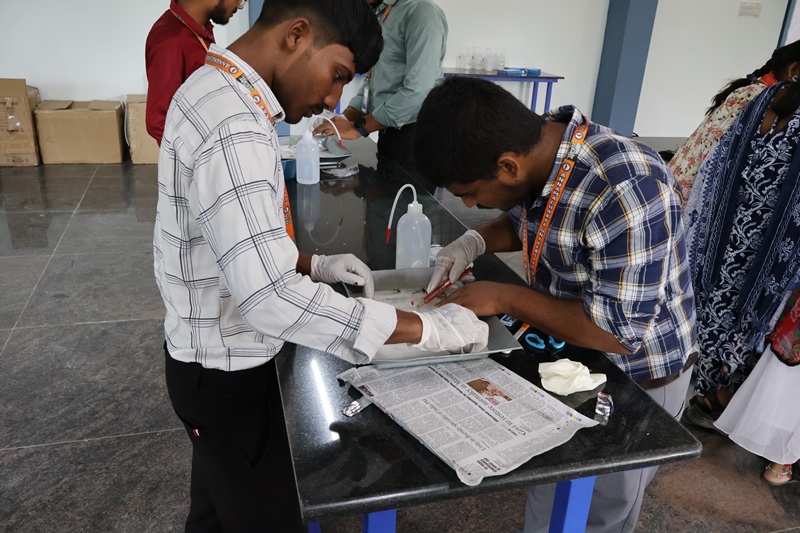
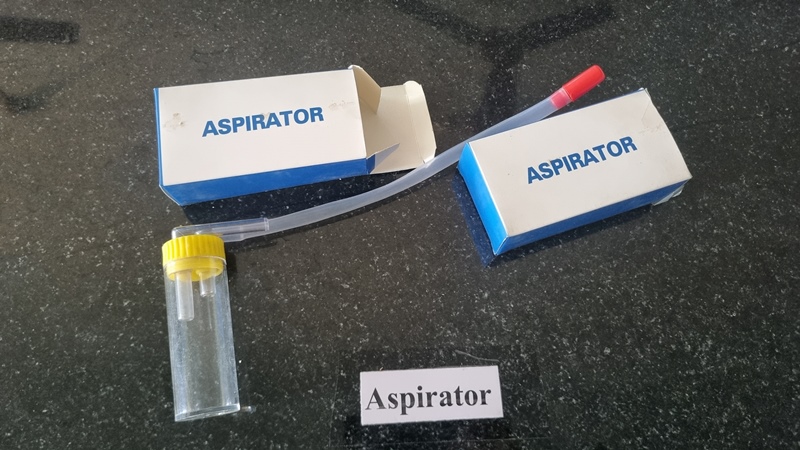
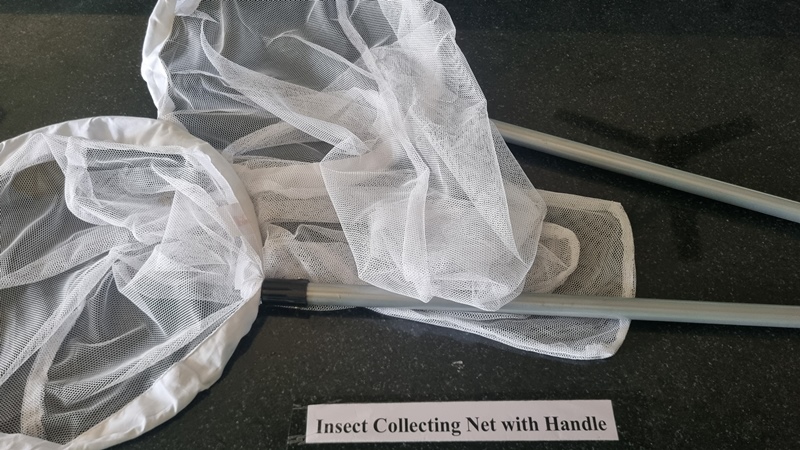
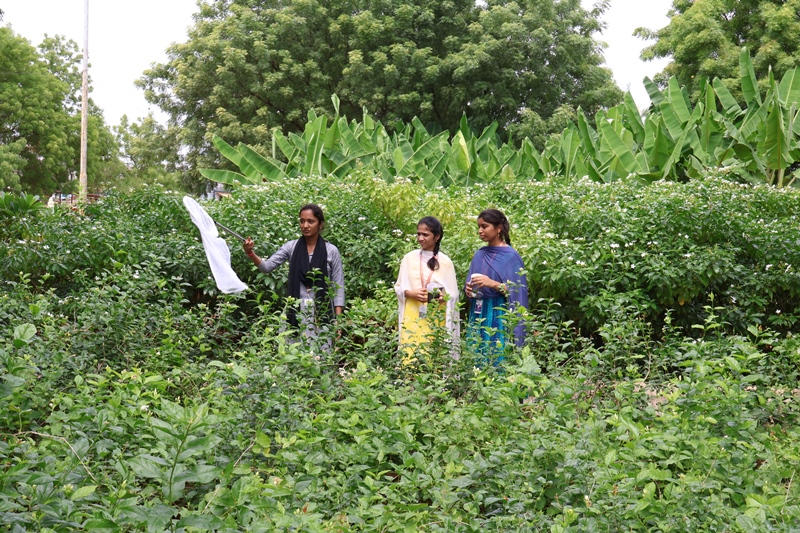
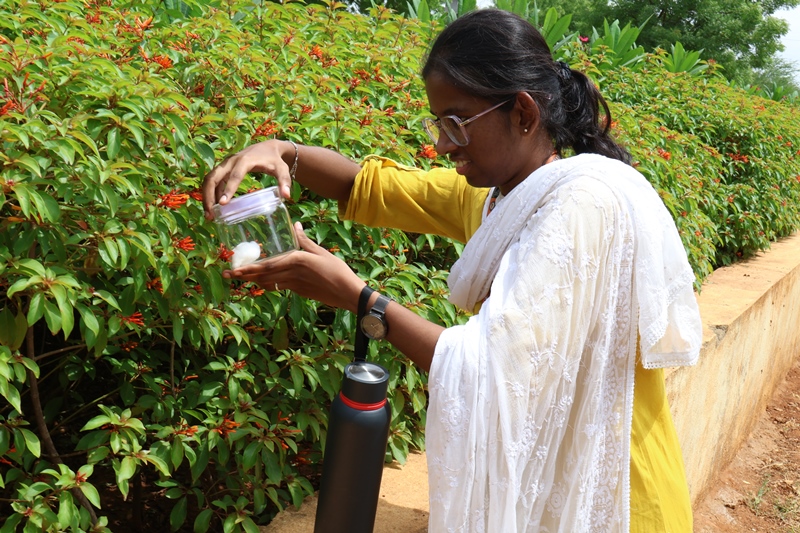
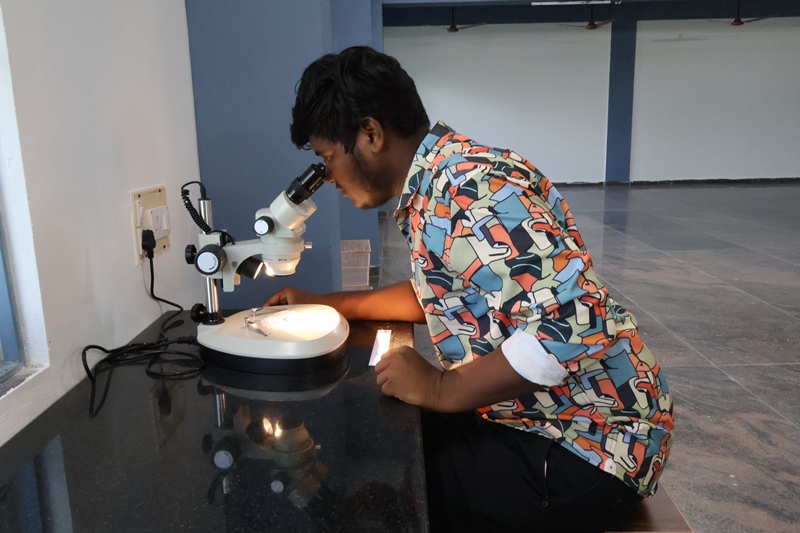
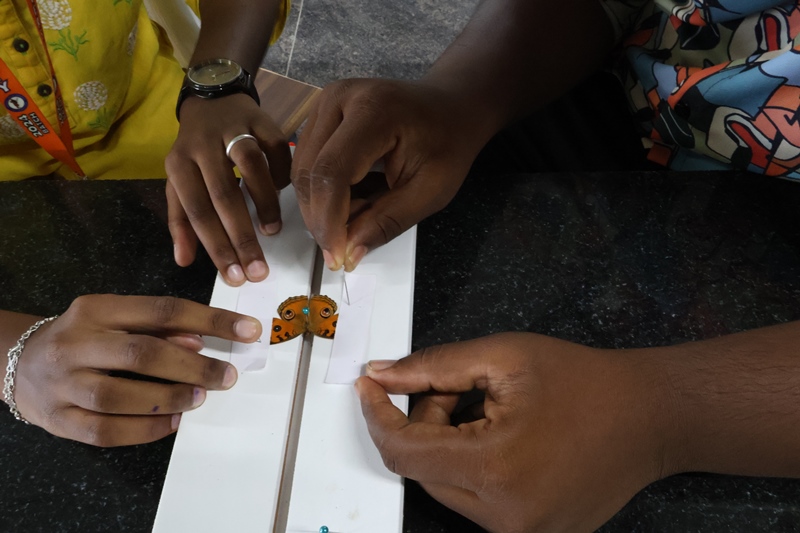
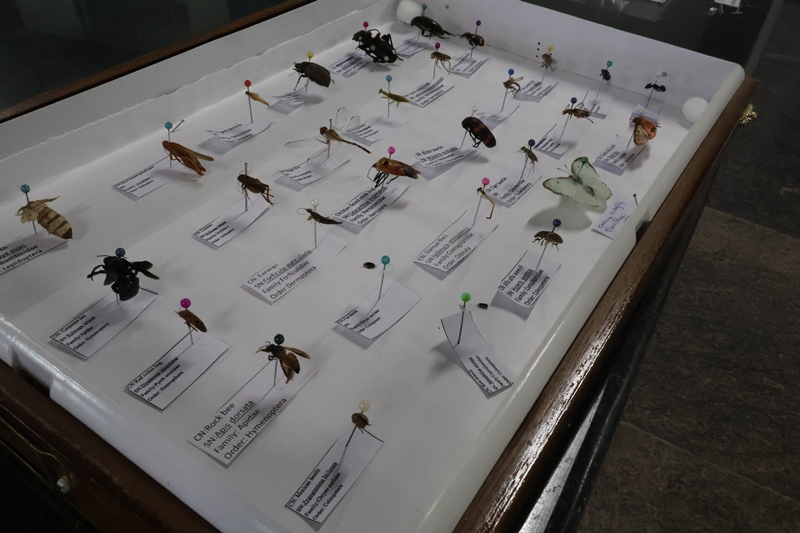
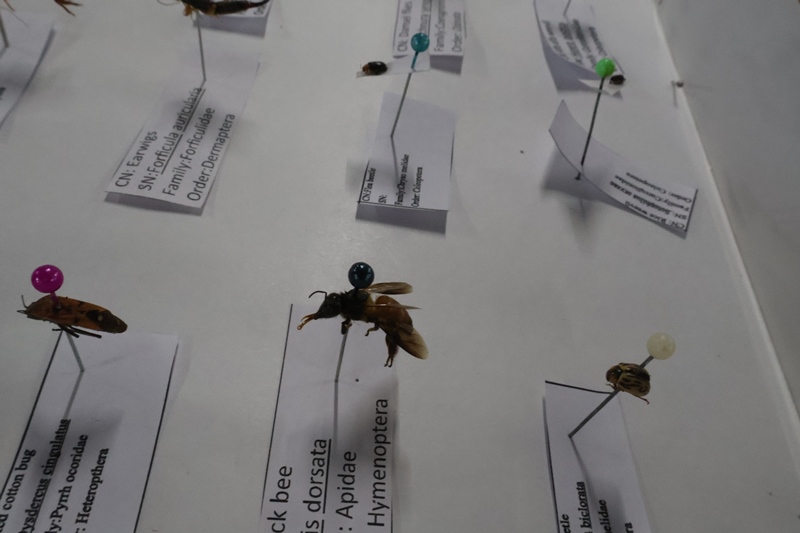
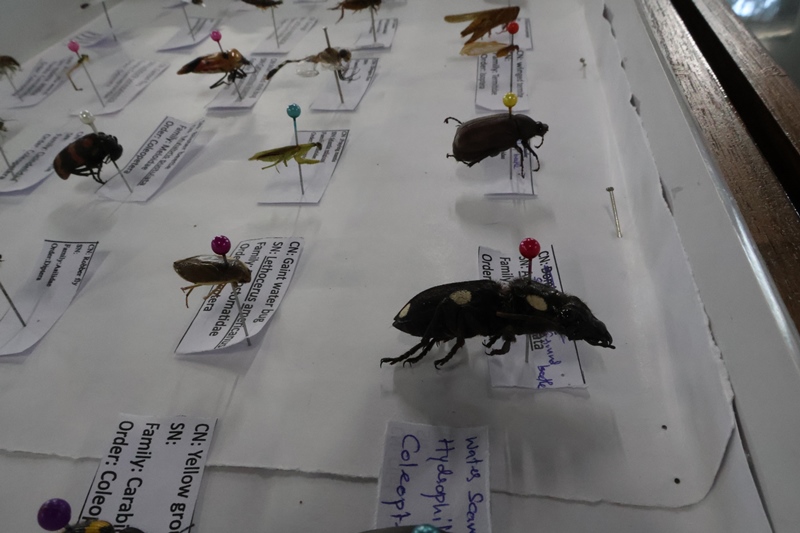
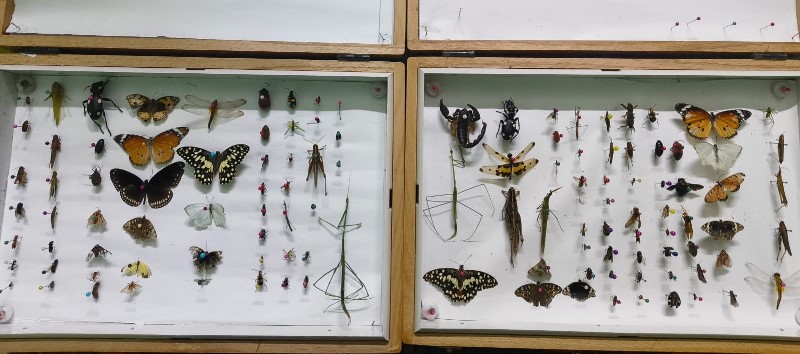
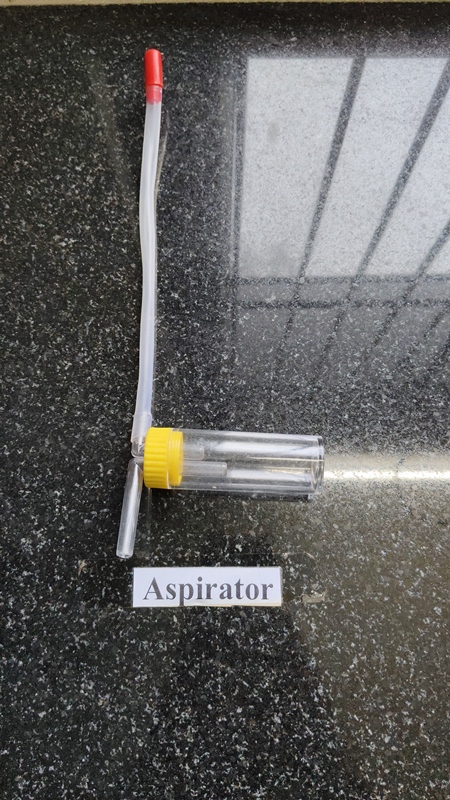
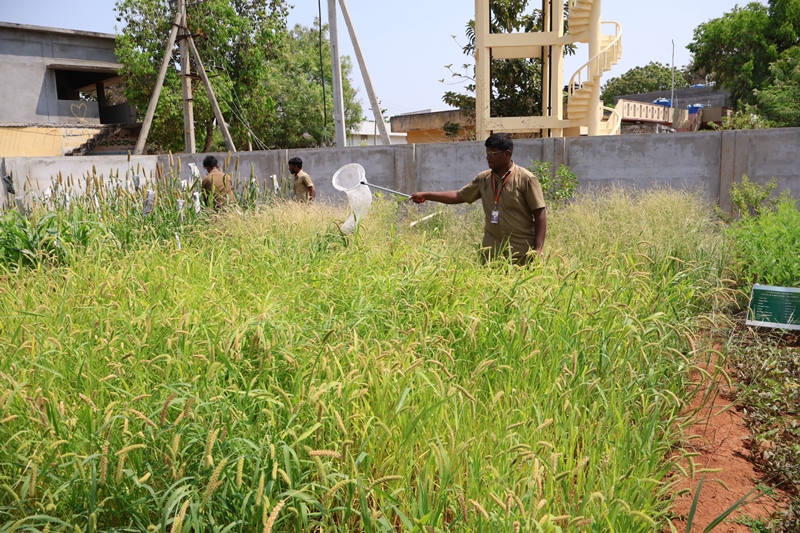
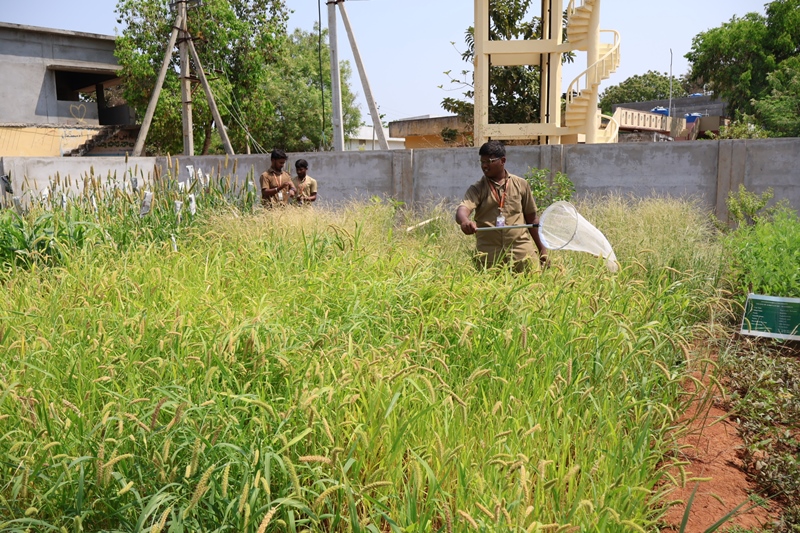
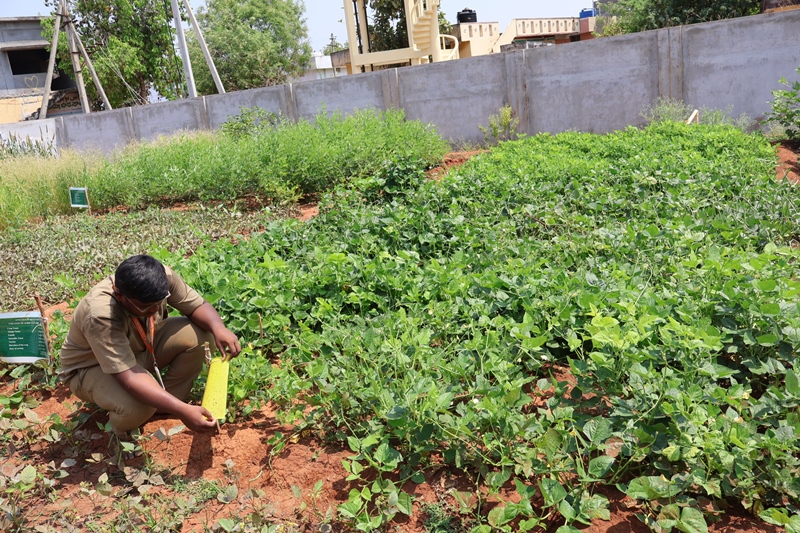
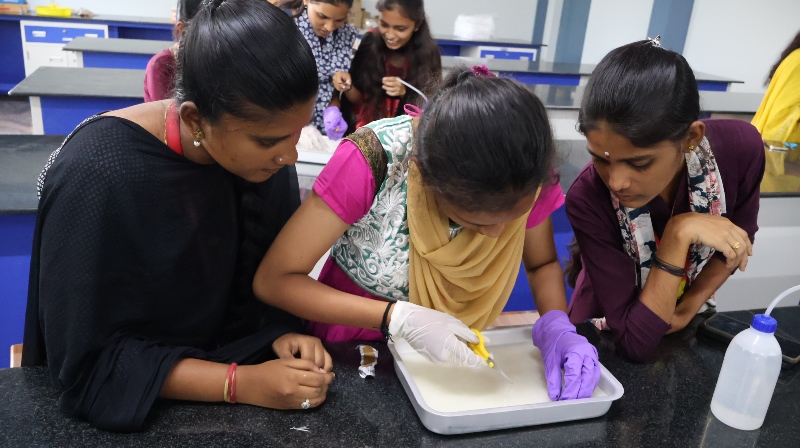
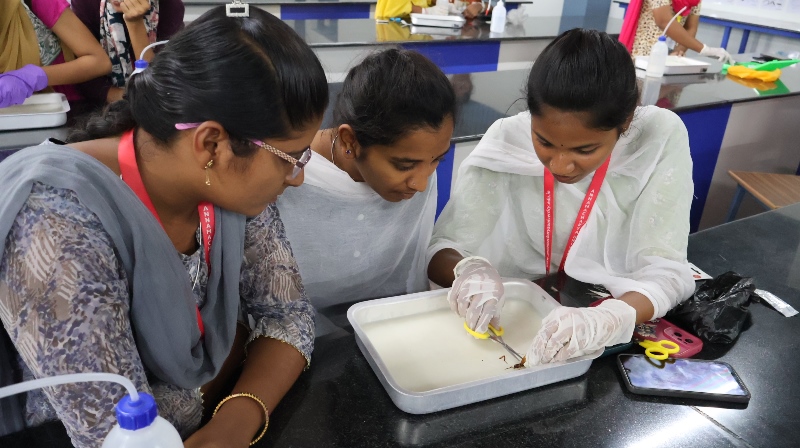
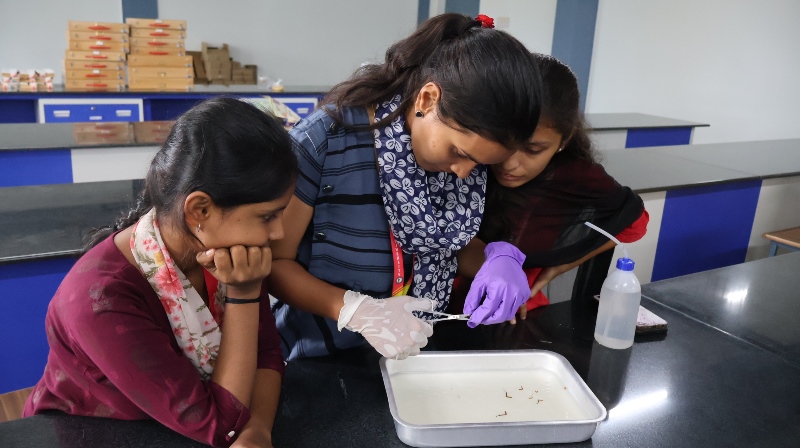
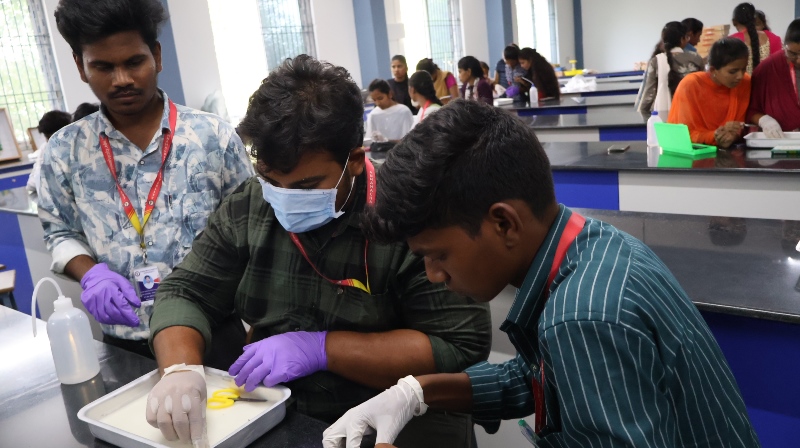
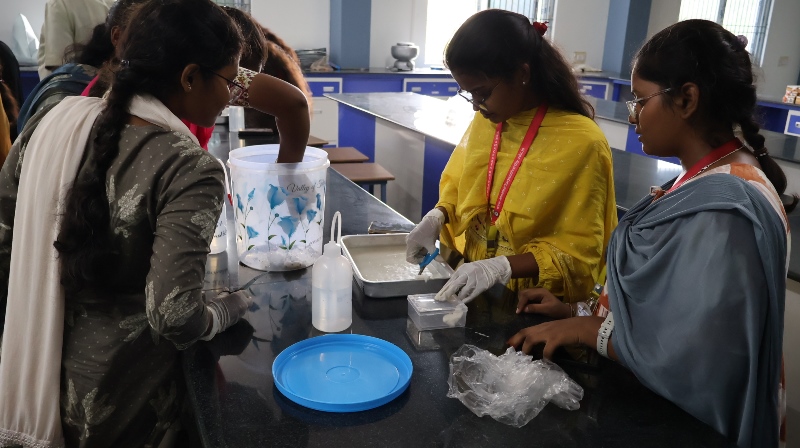
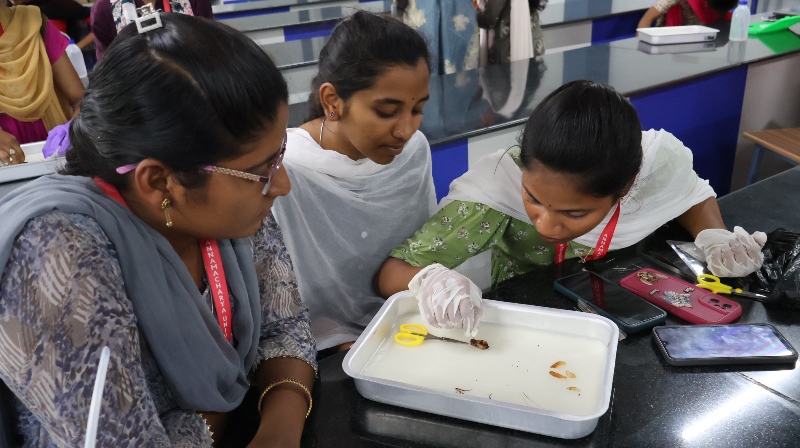
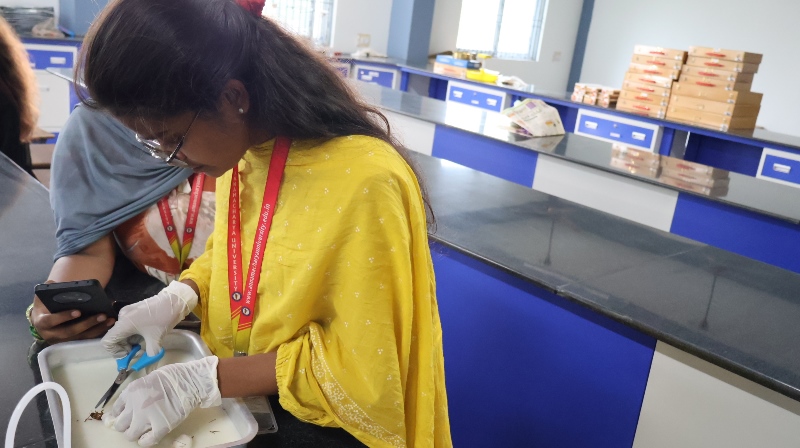
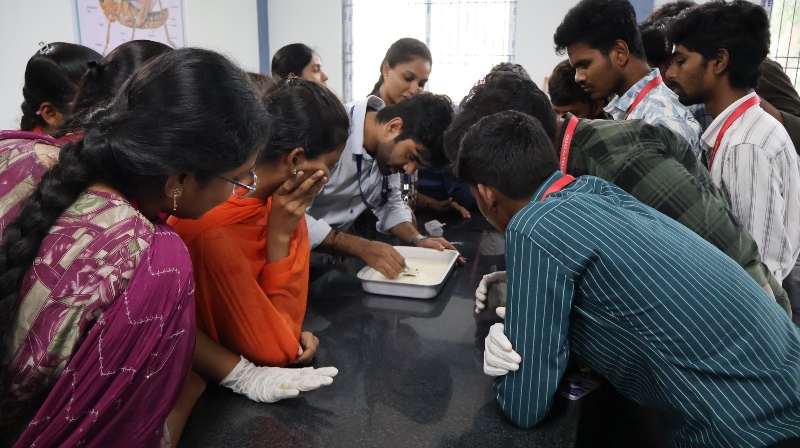
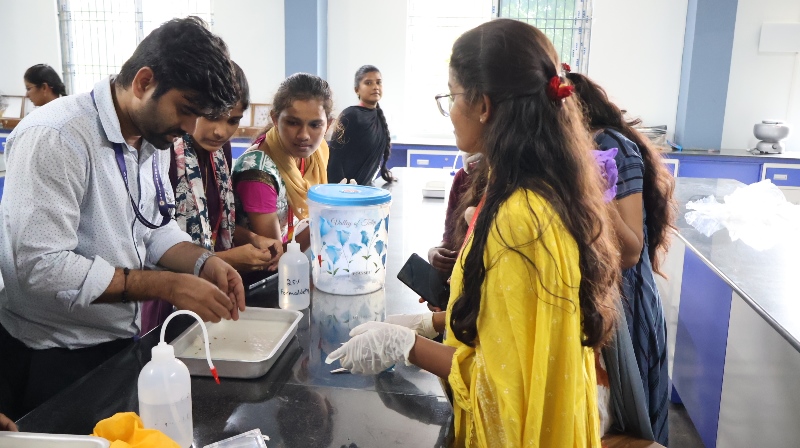
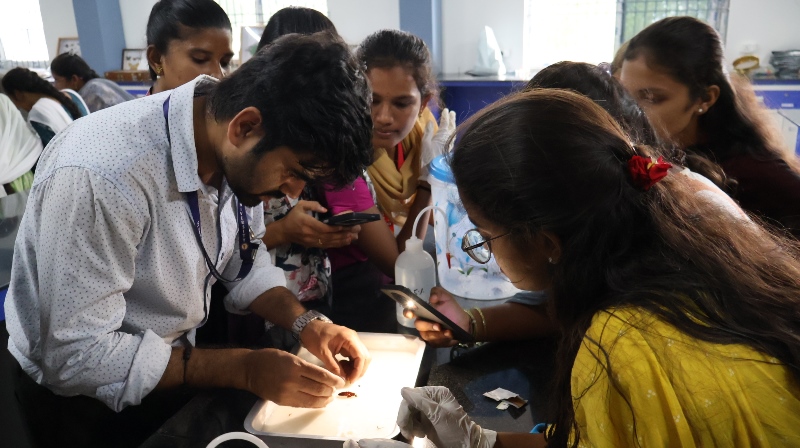
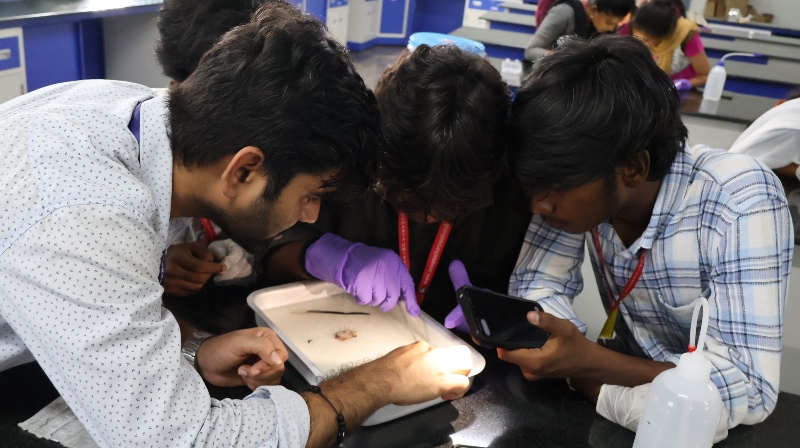
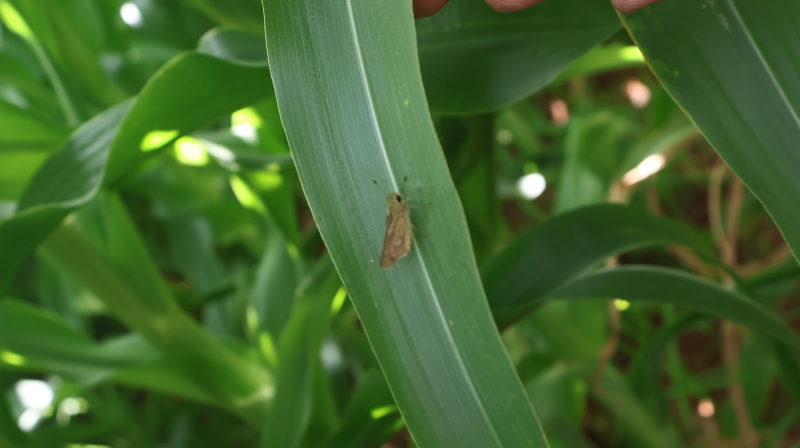
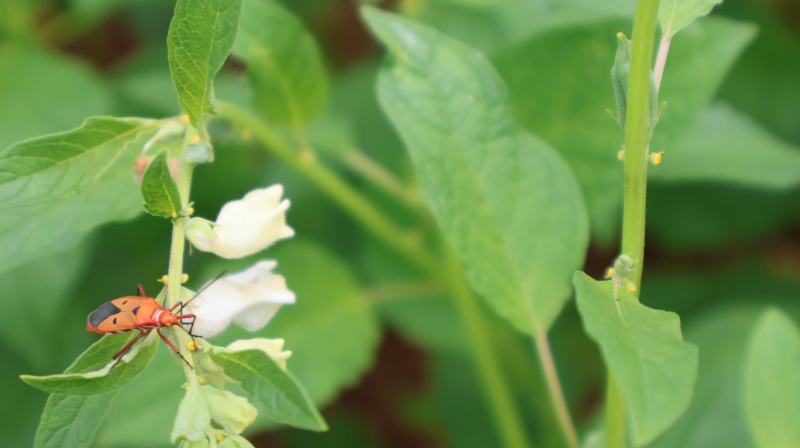
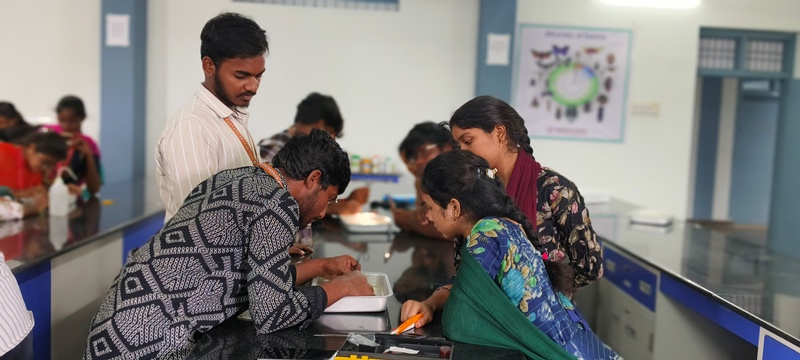
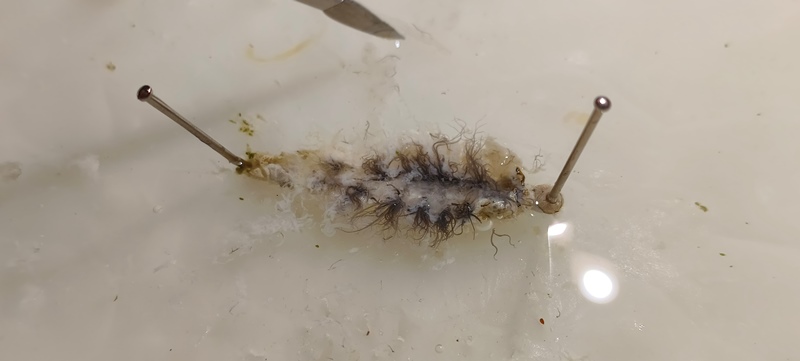
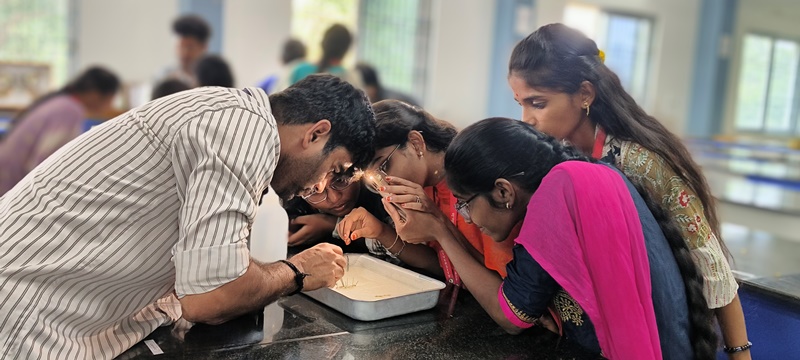
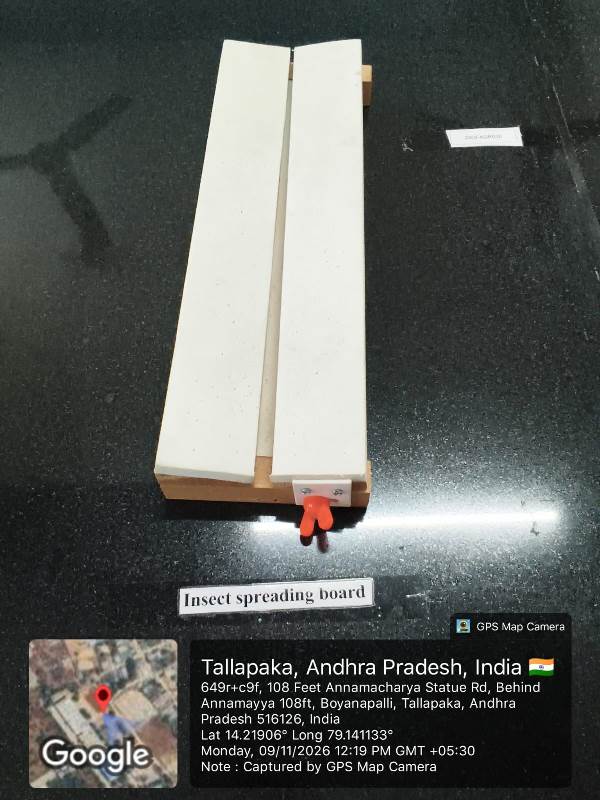
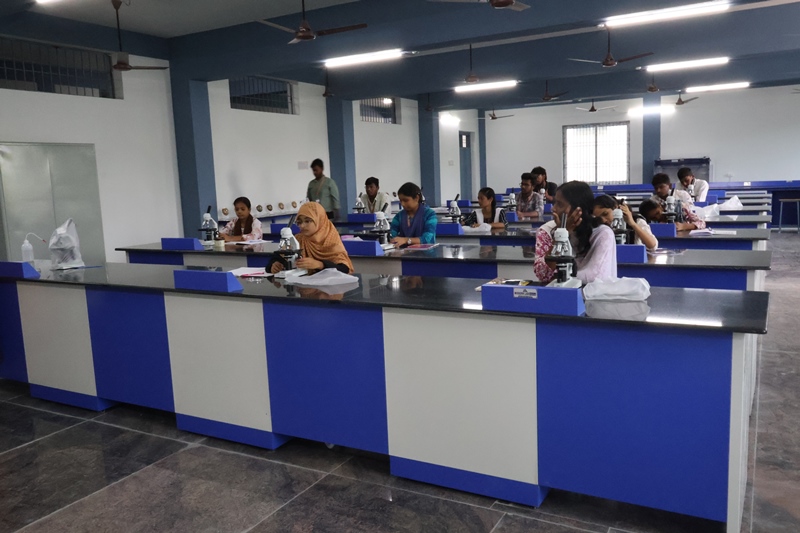
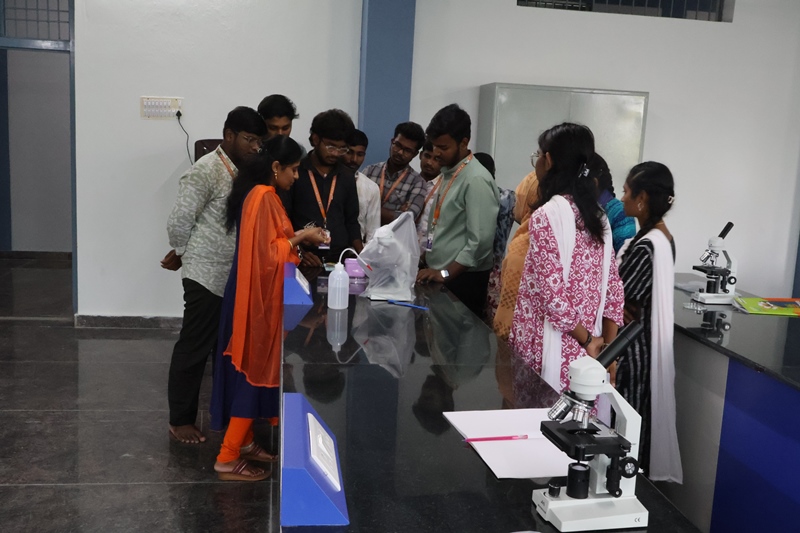
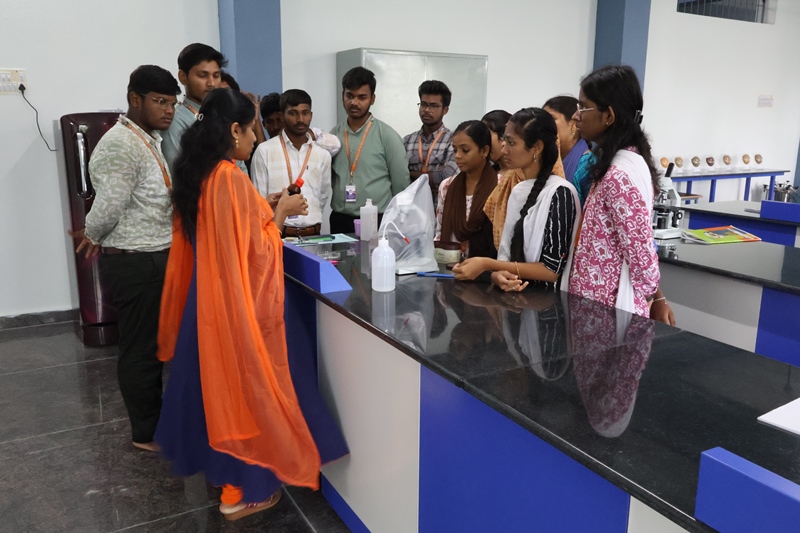
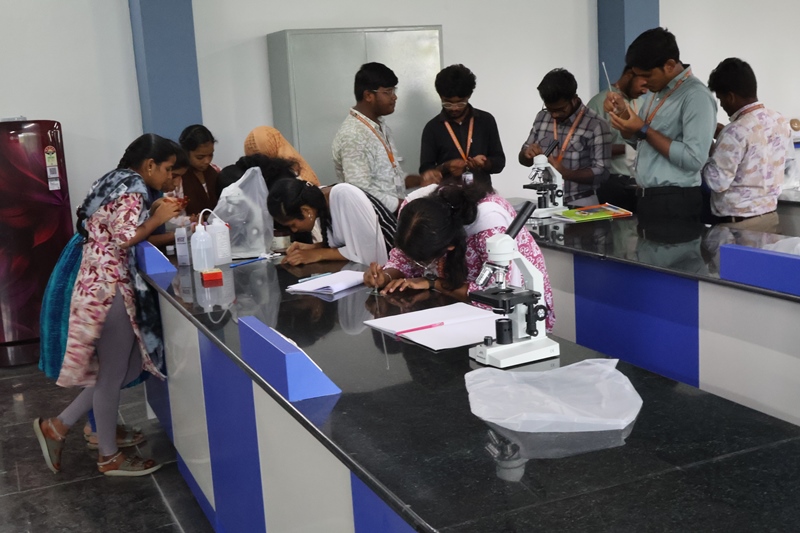
Entomology is the scientific study of insects, encompassing their taxonomy, biology, ecology, anatomy, physiology, and interactions with crops and the environment. In the B.Sc. (Hons.) Agriculture programme, Agricultural Entomology plays a crucial role in equipping students with knowledge and skills to identify, manage, and utilize insects in sustainable crop production. The Department emphasizes practical learning through activities such as collection and identification of beneficial and harmful insects, dissections to study insect anatomy and physiology, and training in advanced techniques for pest management. Students also gain hands-on experience in rearing beneficial insects like pollinators and natural enemies of pests, thereby strengthening their competence in integrated pest management strategies. This holistic approach prepares graduates to address agricultural challenges while promoting ecological balance and sustainable farming practices.
DEPARTMENT OF PLANT PATHOLOGY
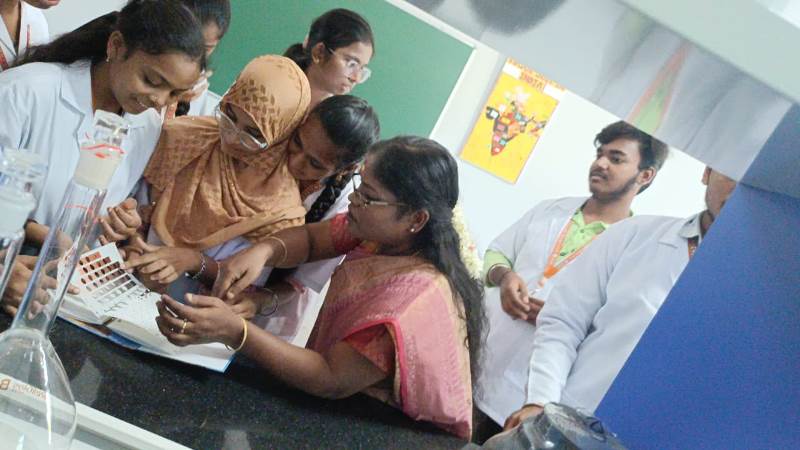
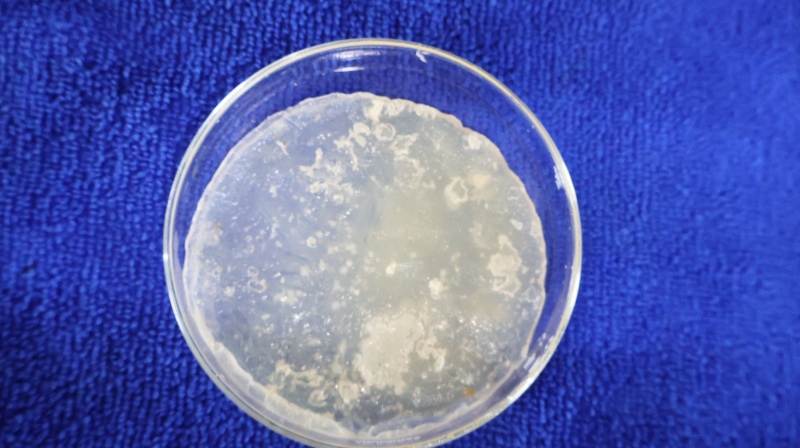
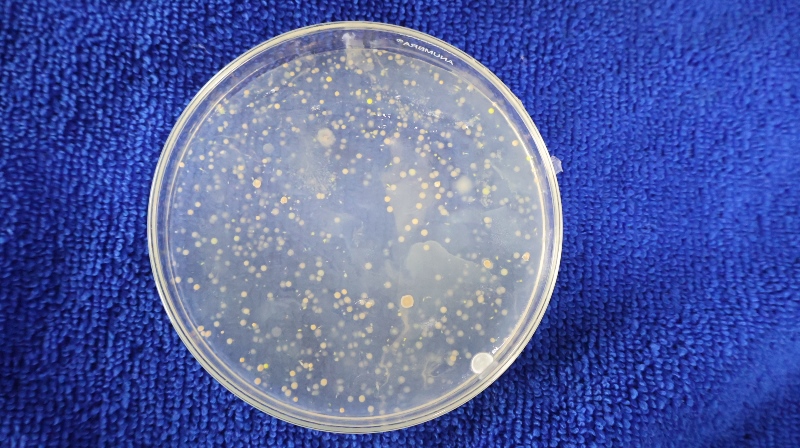
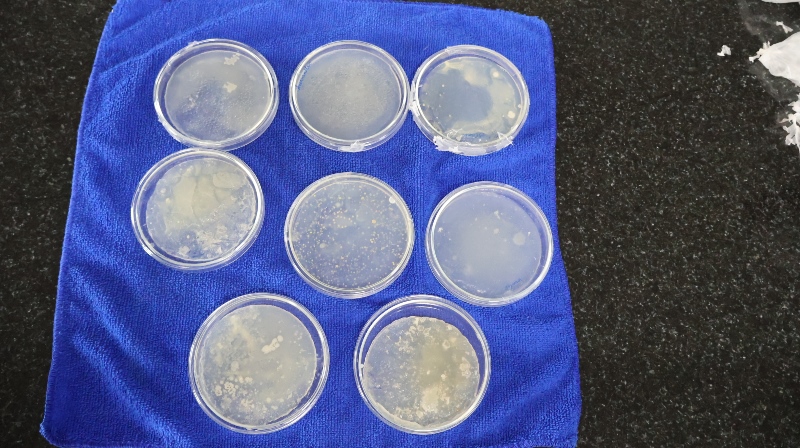
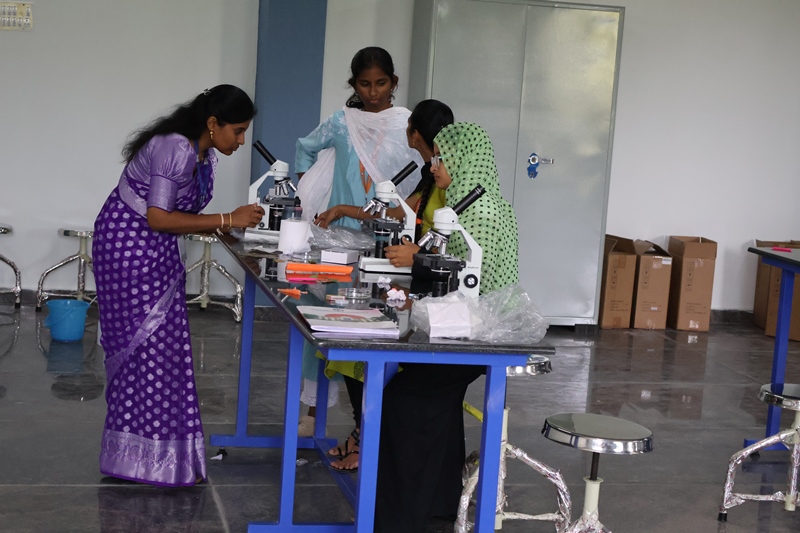
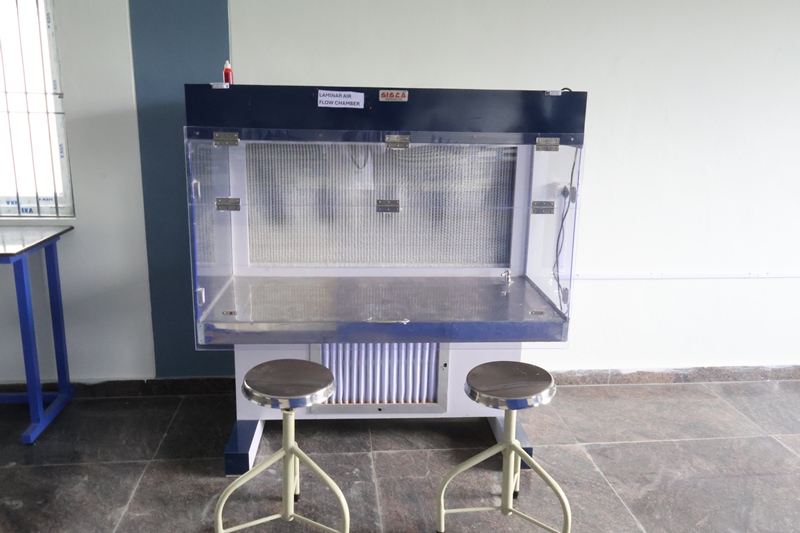
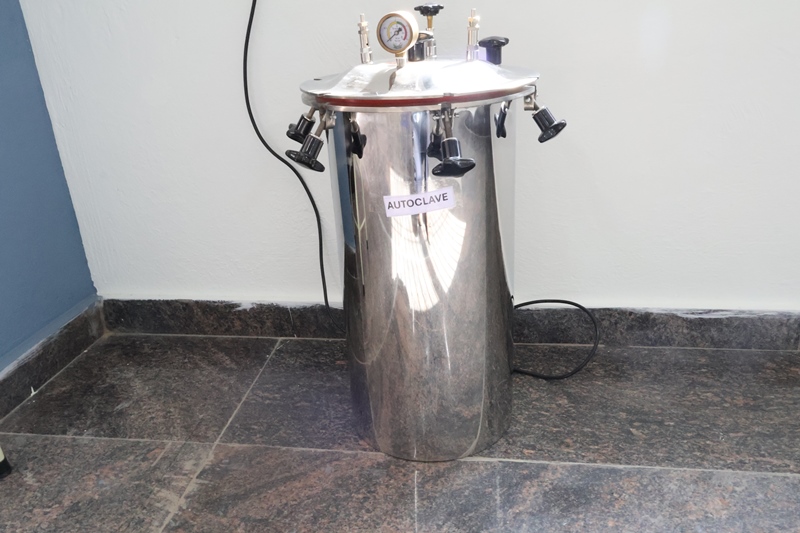
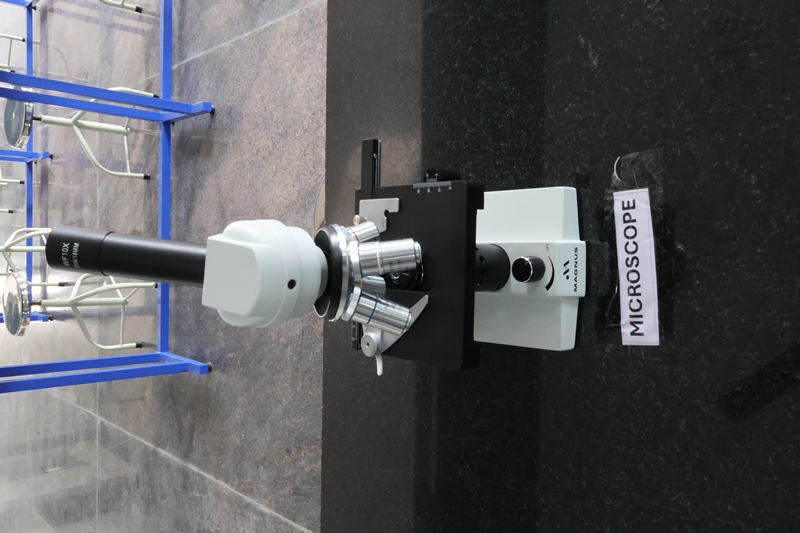
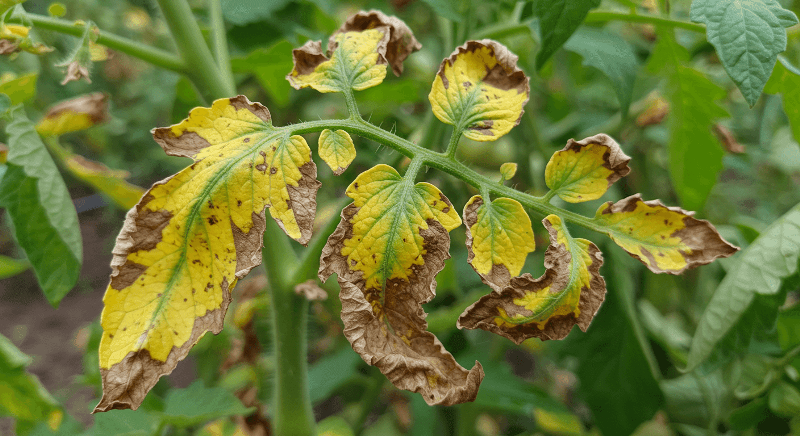
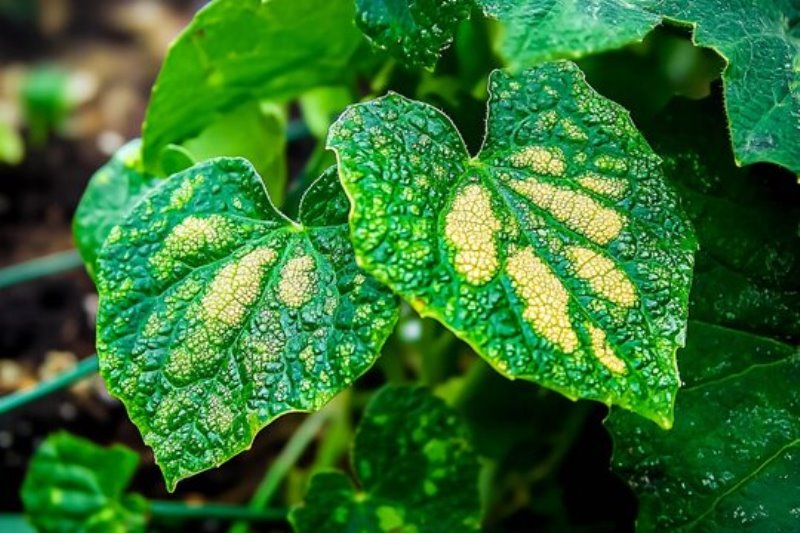
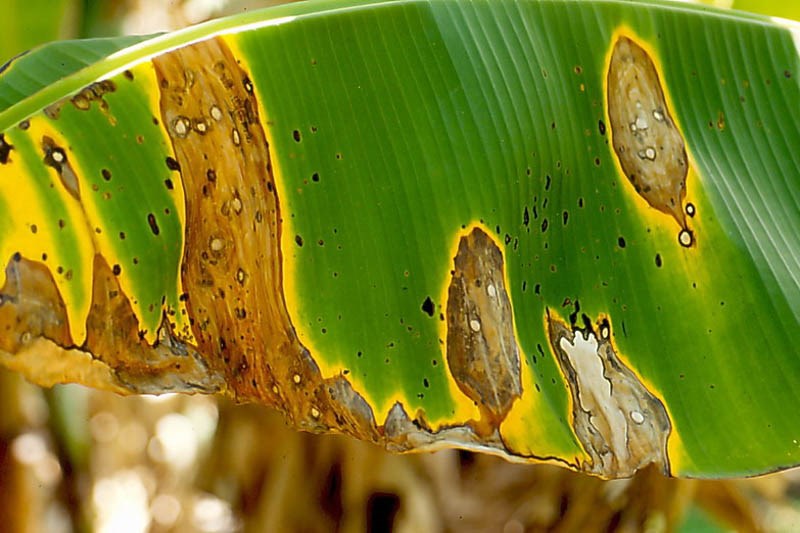
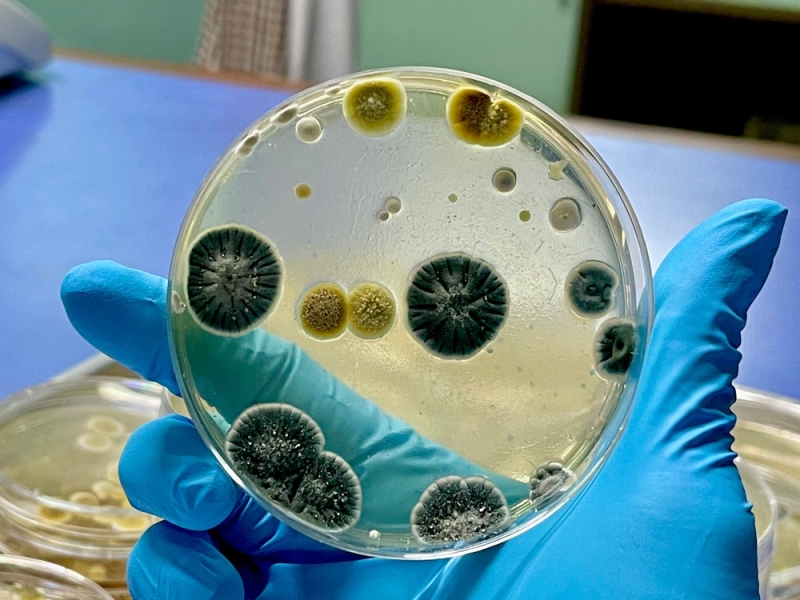
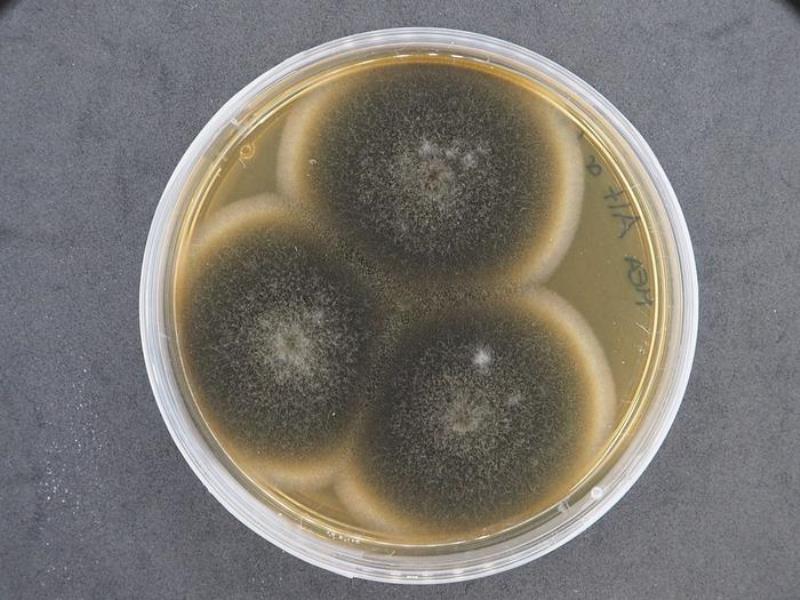
Plant Pathology is the scientific discipline concerned with the study of plant diseases, their causal organisms, mechanisms of infection, and strategies for management. In the B.Sc. (Hons.) Agriculture programme, it holds great significance as it imparts knowledge on diagnosing plant health issues and developing sustainable disease management practices. The Department emphasizes experiential learning through visits to different locations for the collection of diseased specimens, followed by laboratory-based identification of beneficial and harmful pathogens. Students are trained in various diagnostic and control techniques, including cultural, biological, and integrated approaches, while also gaining practical experience in culturing beneficial microorganisms that support plant health. This comprehensive training equips students with the scientific understanding and practical competence required to manage crop diseases effectively and contribute to sustainable agricultural production.
DEPARTMENT OF AGRICULTURAL ENGINEERING
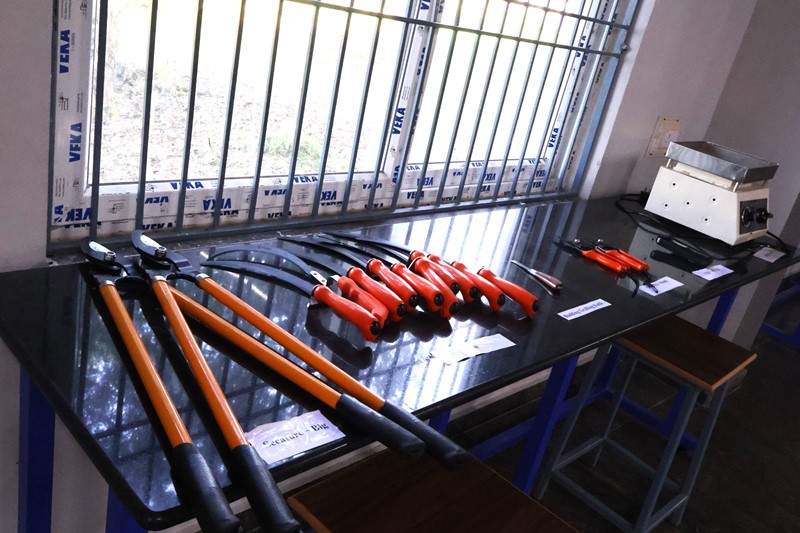
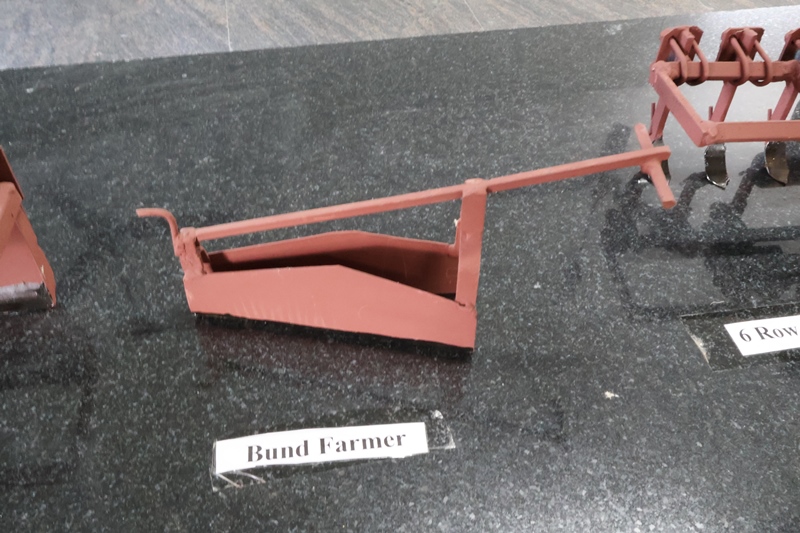
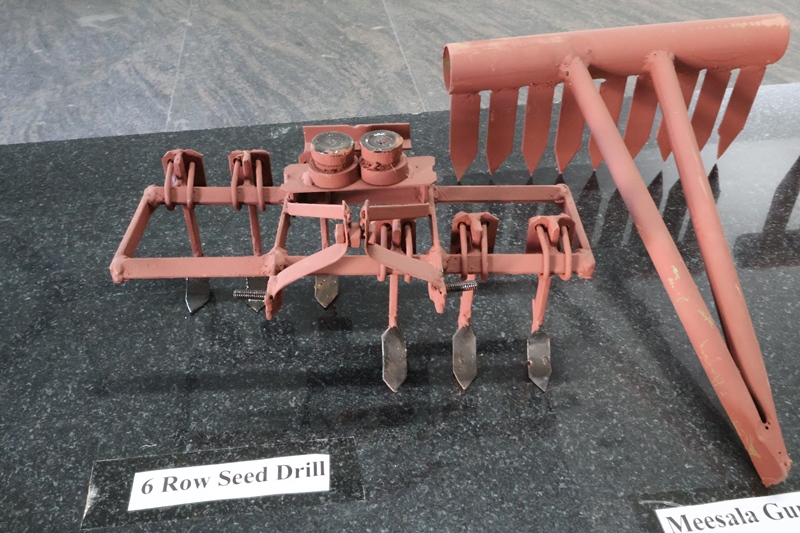
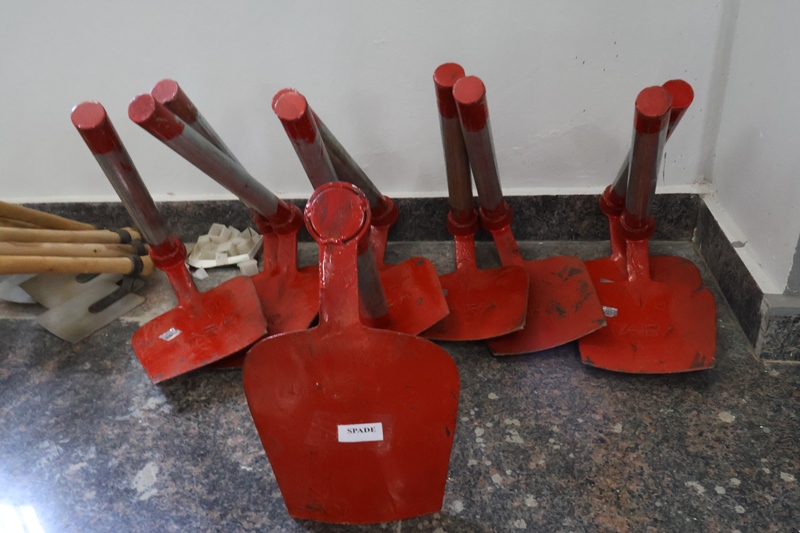
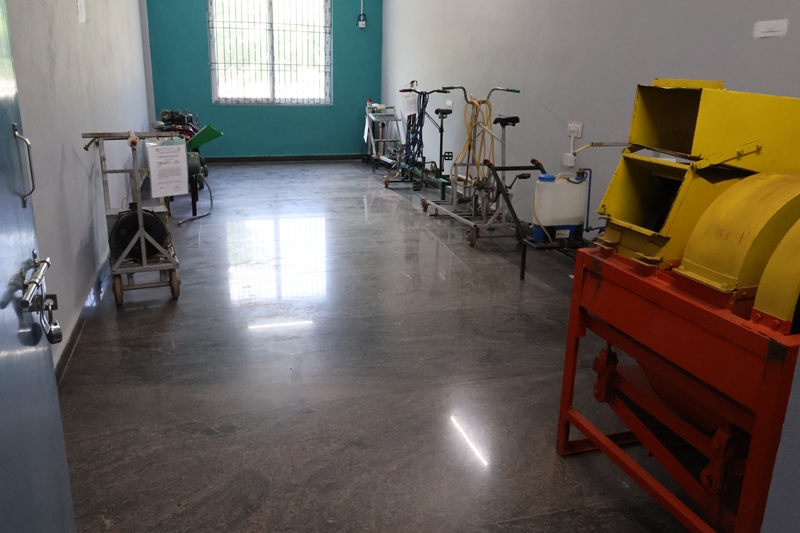
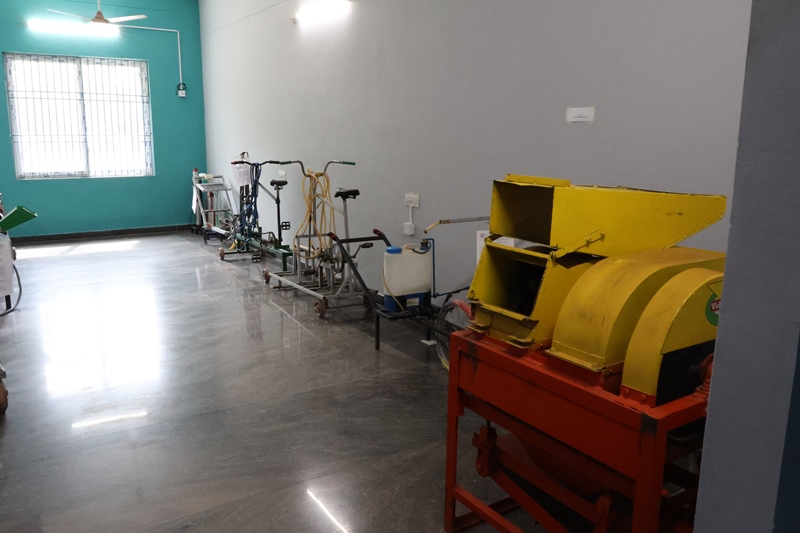
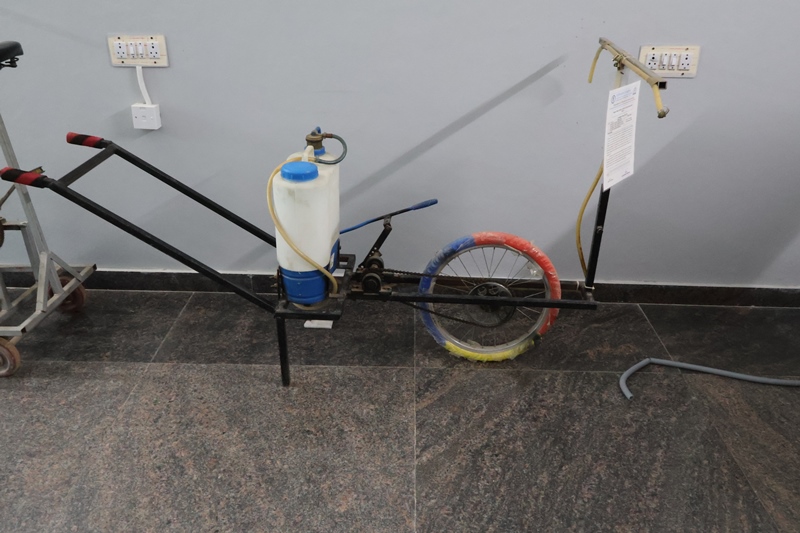
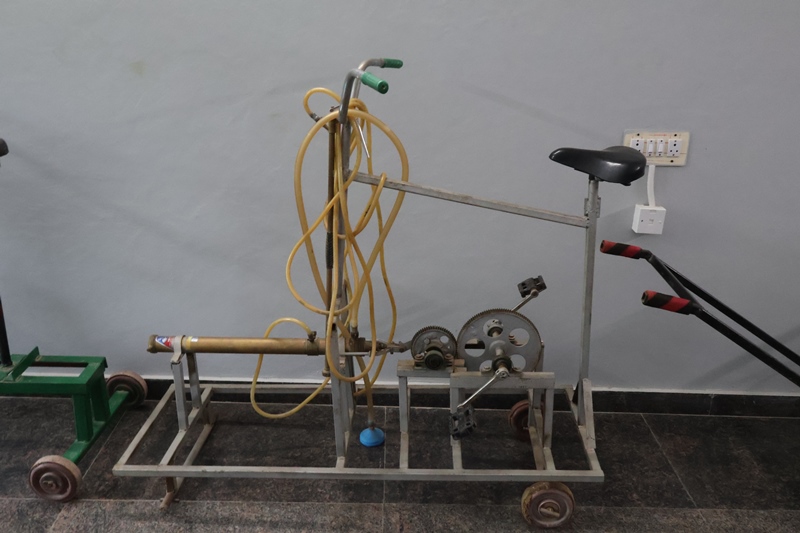
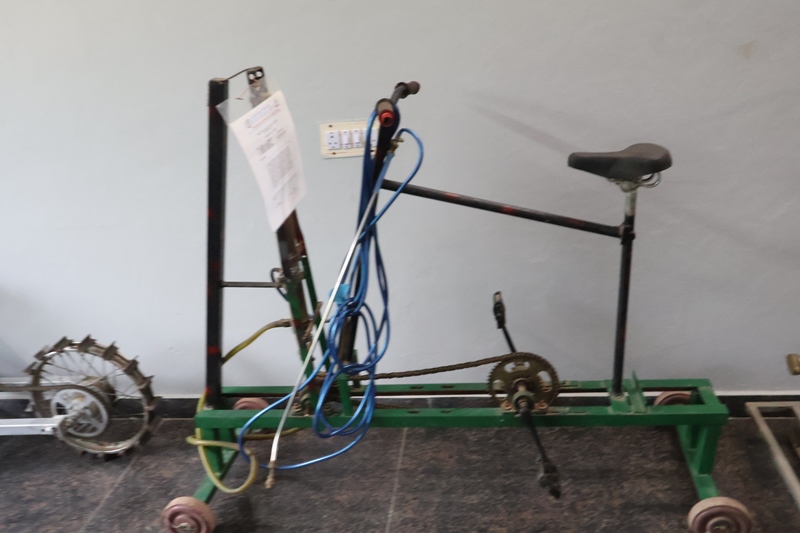
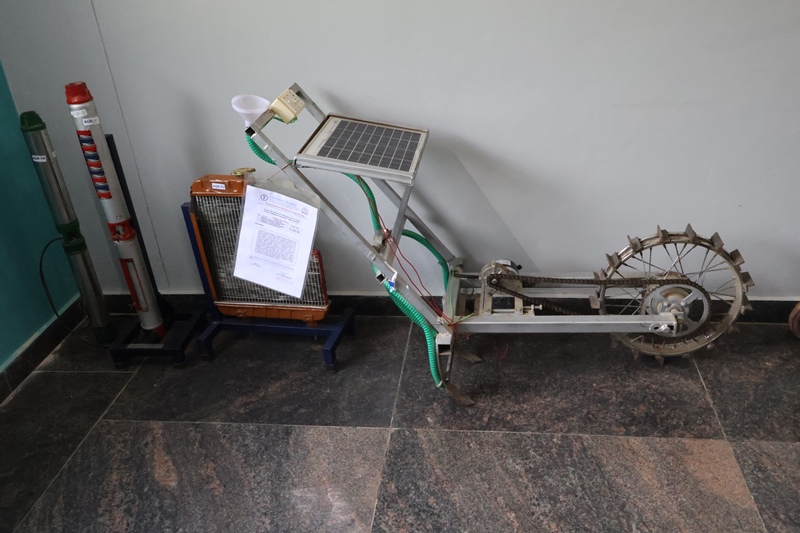
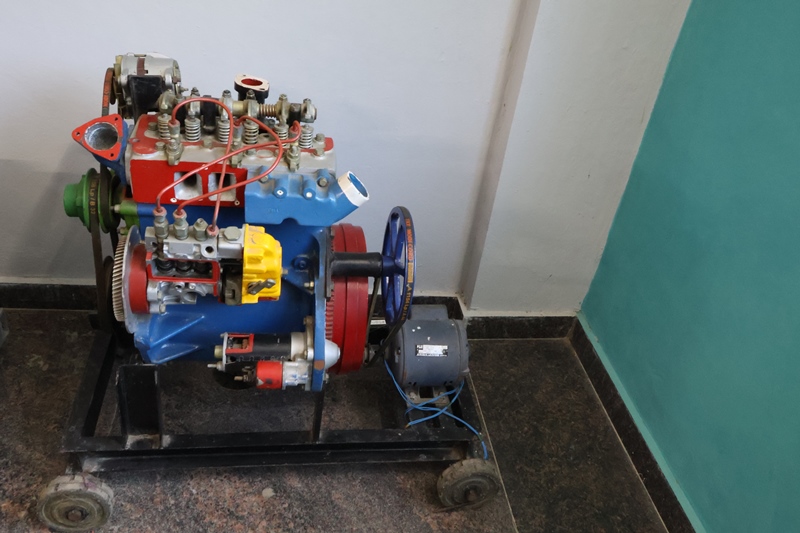
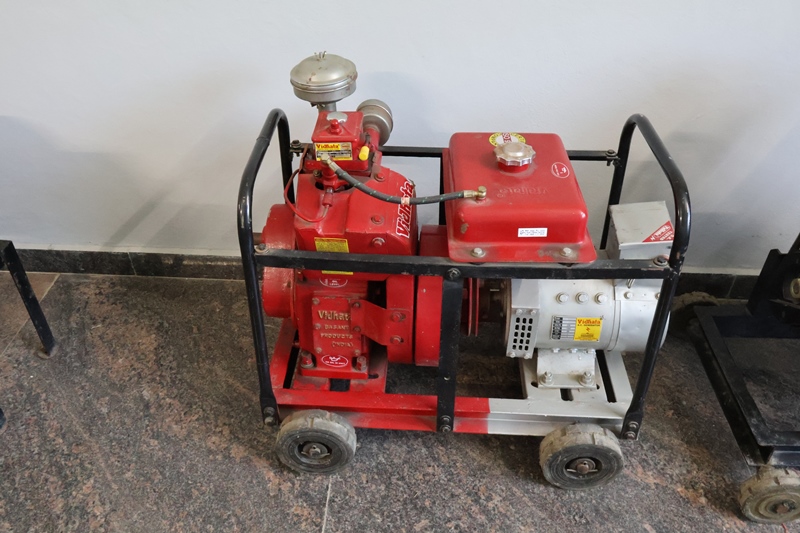
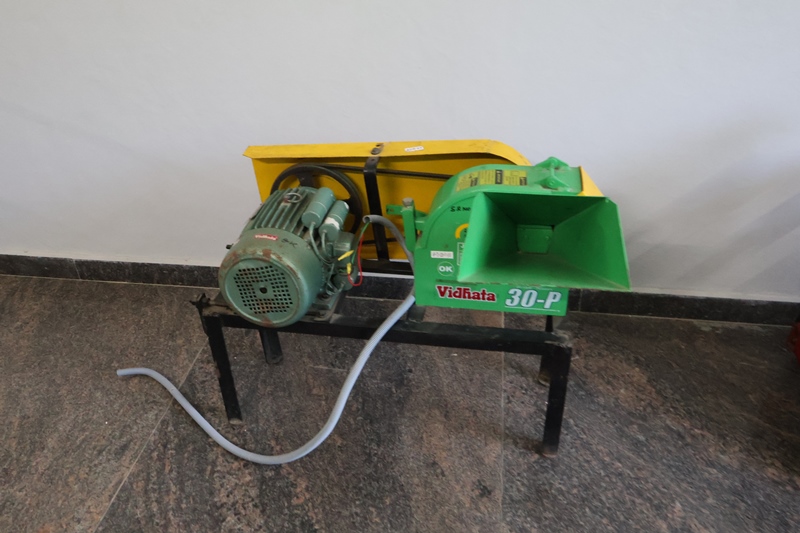
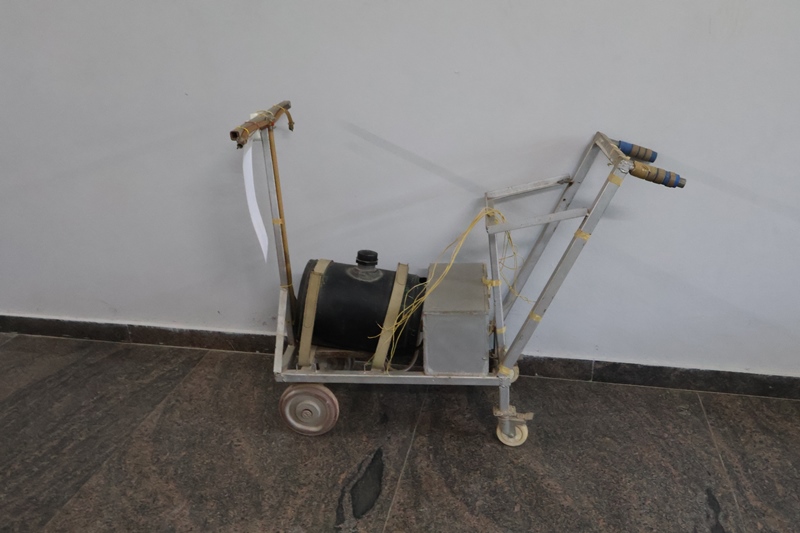
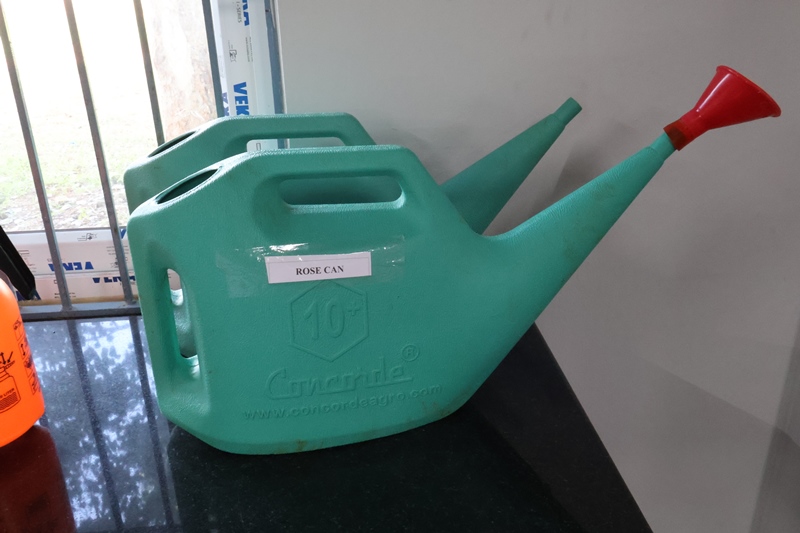
Agricultural Engineering is an interdisciplinary field of agricultural sciences that applies engineering principles and technologies to enhance the efficiency, productivity and sustainability of farming systems. In the B.Sc. (Hons.) Agriculture programme, it holds vital importance as it equips students with knowledge and technical skills related to the design, operation, and maintenance of farm machinery, irrigation systems, soil and water conservation structures, and post-harvest technologies. The Department emphasizes practical learning by training students in the use of various farm machineries and equipment for land preparation, sowing, irrigation, intercultural operations, harvesting, and threshing. This hands-on exposure enables students to understand the role of mechanization in reducing labor, saving time, and improving overall farm efficiency. Through such comprehensive training, graduates develop the professional competence required to adopt and promote modern engineering solutions for sustainable agricultural development.
DEPARTMENT OF HORTICULTURE
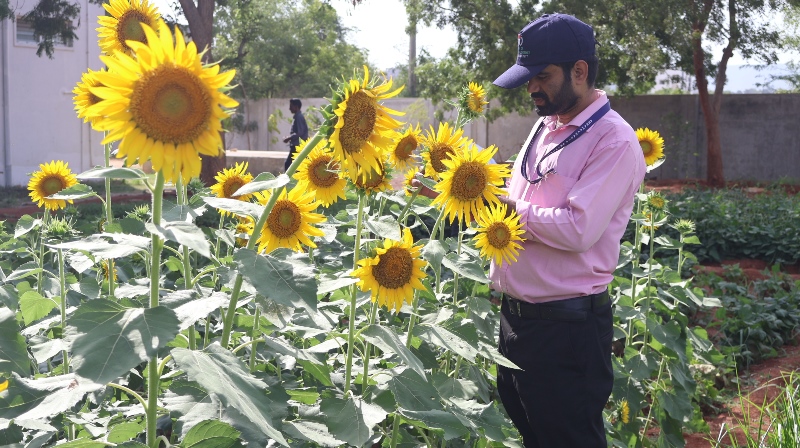
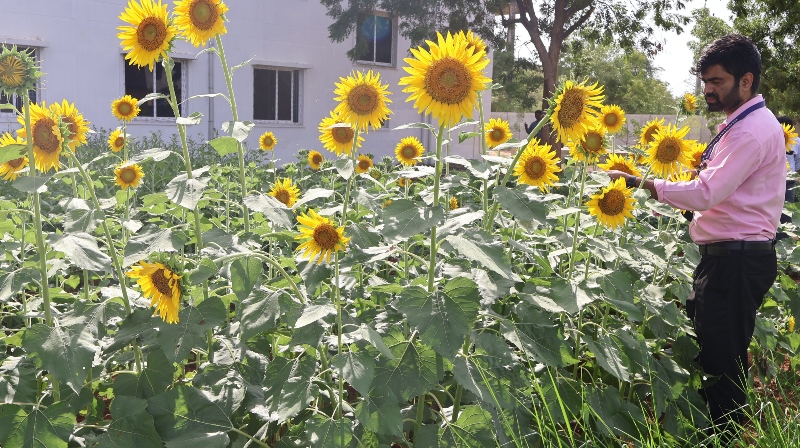
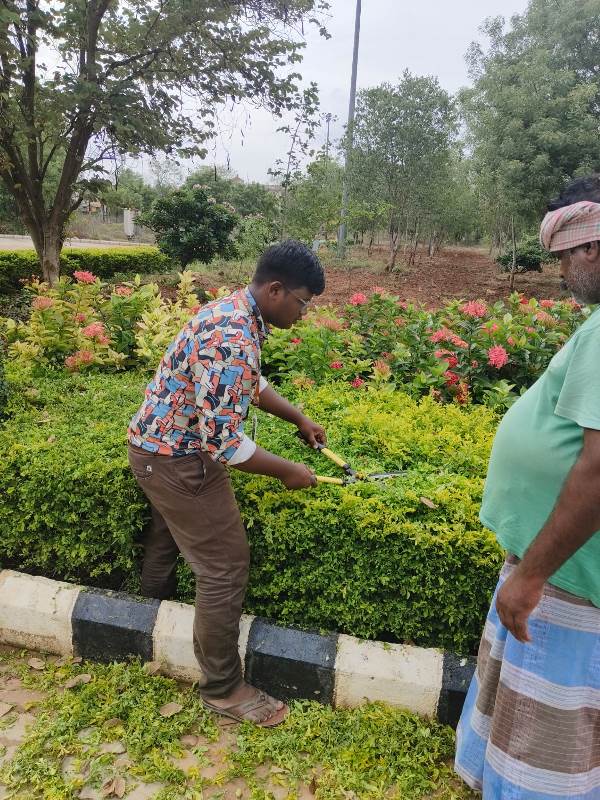
Horticulture is a specialized branch of agricultural science that deals with the production, improvement, and management of fruits, vegetables, flowers, spices, plantation crops, and medicinal and aromatic plants. It holds significant importance in the B.Sc. (Hons.) Agriculture programme as it equips students with scientific knowledge and practical skills in crop improvement, nursery management, protected cultivation, post-harvest handling, and value addition. The discipline encompasses several branches, including pomology, olericulture, floriculture, plantation crops, and landscape horticulture, each contributing to diversified agricultural development. The Department emphasizes experiential learning through field visits to different agro-climatic zones, where students gain practical exposure to various horticultural practices. They are systematically trained in all stages of cultivation—from sowing to harvesting—thus building competence in both traditional and modern horticultural techniques that ensure enhanced productivity, quality, and sustainability.
DEPARTMENT OF GENETICS AND PLANT BREEDING
The Department of Genetics and Plant Breeding plays a pivotal role in imparting knowledge on the principles of heredity, genetic improvement, and crop development, forming a core component of the B.Sc. (Hons.) Agriculture programme. The department focuses on understanding genetic variability, inheritance patterns, and modern breeding techniques essential for developing high-yielding, disease-resistant, and climate-resilient crop varieties. Through a blend of theoretical instruction and practical training, students gain skills in crop improvement, hybridization, biotechnology applications, and seed production. The discipline lays the foundation for enhancing agricultural productivity and sustainability, thereby contributing to food and nutritional security, rural development, and national agricultural advancement.
DEPARTMENT OF AGRICULTURAL EXTENSION
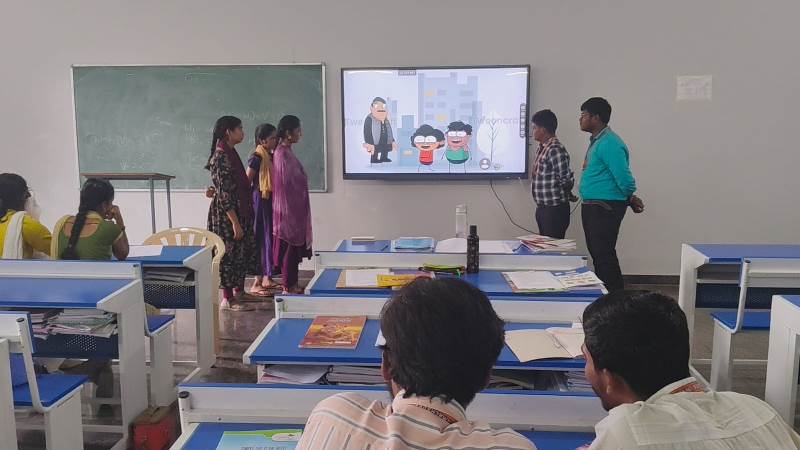
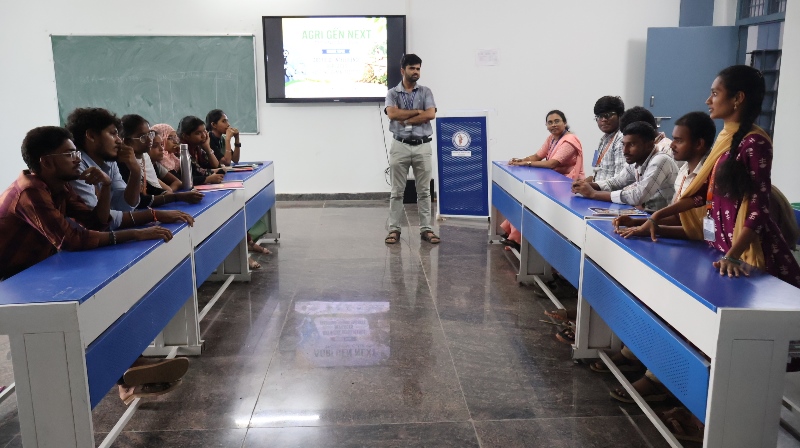
Agricultural Extension is a field of agricultural science concerned with the dissemination of scientific knowledge, technologies, and innovative farming practices to farmers and rural communities. In the B.Sc. (Hons.) Agriculture programme, the Department of Agricultural Extension plays a vital role in developing students’ communication, leadership, and problem-solving skills while creating awareness about modern agricultural technologies and rural development initiatives. The Department emphasizes experiential learning through village visits, farmer interactions, field demonstrations, awareness programmes, extension activities, and participation in agricultural exhibitions. Students are trained in various extension teaching methods, including group discussions, method demonstrations, farm and home visits, seminars, and the use of audio-visual aids and digital communication tools. They also gain practical exposure to rural surveys, participatory rural appraisal, preparation of extension literature, and the dissemination of agricultural information. This comprehensive training equips students with the knowledge, practical skills, and professional competence required to bridge the gap between agricultural research and farming communities and contribute effectively to sustainable agricultural development.
DEPARTMENT OF AGRICULTURAL ECONOMICS
Agricultural Economics is a branch of agricultural science that deals with the application of economic principles to agricultural production, resource management, marketing, and rural development. In the B.Sc. (Hons.) Agriculture programme, the Department of Agricultural Economics plays a significant role in developing students’ understanding of agricultural markets, farm management, agricultural finance, government policies, and the economic aspects of farming. The Department emphasizes experiential learning through field visits, surveys, interaction with farmers, visits to agricultural markets, and exposure to various agricultural institutions. Students are trained in farm management, cost and return analysis, agricultural marketing, price determination, budgeting, project preparation, and economic evaluation of agricultural enterprises. They also gain practical knowledge of demand and supply analysis, agricultural statistics, financial management, and the role of government schemes in supporting farmers. This comprehensive training equips students with the economic knowledge, analytical abilities, and decision-making skills required to improve farm profitability, ensure efficient utilization of agricultural resources, and contribute to sustainable agricultural and rural development.
COMPUTER LAB
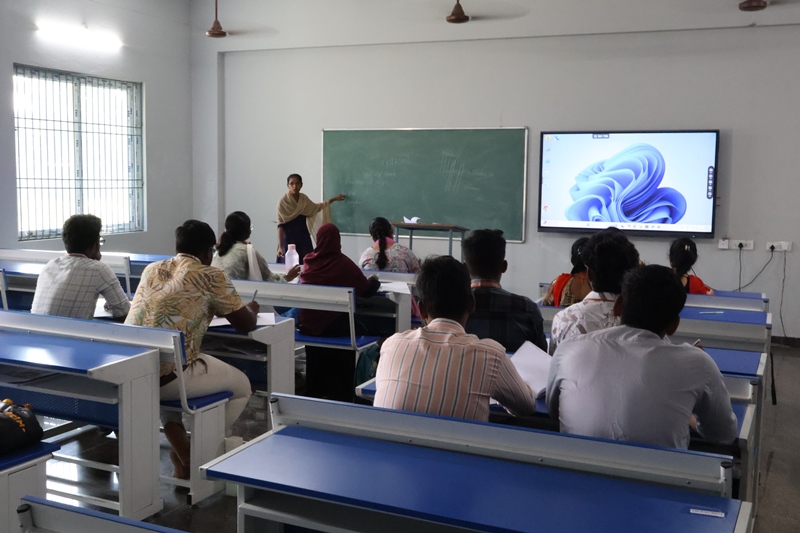
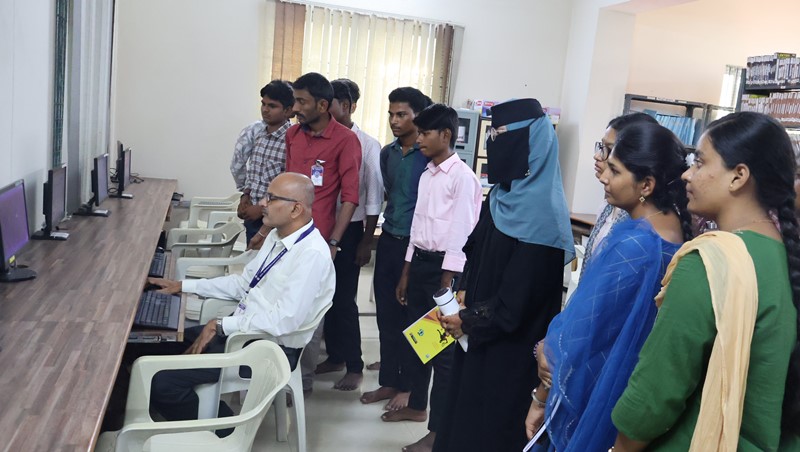
The College of Agriculture, Annamacharya University, is equipped with a modern Computer Lab that provides students with hands-on learning in the application of technology for agriculture and allied sciences. The lab is furnished with high-speed computers, internet connectivity, and updated software to train students in areas such as data analysis, precision farming, and digital tools for agricultural research and extension. In addition, students are taught essential programming and software skills including Python, MS Office, data management, and statistical software, which prepare them to handle advanced agri-tech solutions and enhance their career prospects. With its blend of agricultural applications and modern IT skills, the computer lab empowers students to integrate technology with agriculture for sustainable and innovative farming practices.
Annamacharya University remains adaptable to the evolving demands in education. It consistently updates its diverse curriculum to equip students for the future workplace. The integrated learning methodology encompasses a wide array of courses, including Engineering, Management, Sciences, Agriculture, Allied Health Sciences, Humanities, and Social Sciences.